MEDICAL RESEARCH HUB
Research, Regulation and Translation
Governance
Explore governance, regulatory science and translational research within a structured healthcare innovation framework. Discover how laboratory discovery progresses toward responsible clinical application.
Scientific Integrity
Understand how ethical oversight, rigorous methodology and regulatory compliance strengthen research quality. Robust standards support reproducibility, transparency and trustworthy clinical translation.
Translational Impact
Contribute to accountable research connecting evidence generation with policy and implementation. Support innovation that advances imaging, radiopharmaceutical science and emerging technologies into patient care.
Medical Science Liaison
Medical Science Liaison professionals communicate clinical and scientific insight to healthcare stakeholders. They support informed decision-making and promote appropriate use of medicines and technologies.
Big Data Research
Big Data Research analyses large-scale healthcare and imaging datasets to generate reliable scientific insight. Also, it supports validation, reproducibility and meaningful translation into clinical and population studies.
Research Infrastructure
Research Infrastructure addresses data platforms, analytical tools, and collaborative systems that enable scientific investigation. The aim is to support efficient study design, rigorous analysis and reliable knowledge translation.
Editorial Review
Editorial Review provides a critical evaluation of advances in imaging, therapy and radiotheranostics. The aim is to strengthen research standards and support informed clinical practice.
J Diag Imaging Ther
J Diag Imaging Ther publishes peer-reviewed research on imaging and therapeutic innovation. Also, it fosters collaboration between scientific and clinical communities while promoting research-informed practice.
Research Methods and Reproducibility
Research Methods and Reproducibility promote transparent methodology and reproducible workflows. This further strengthens scientific reliability and supports confident translation into clinical application.
Regulatory Affairs
Regulatory Affairs ensures that medicines, devices, and radiopharmaceuticals meet safety, quality, and efficacy standards. Also, to support compliant innovation and protect public health.
Policy, Regulation and Governance
Policy, Regulation and Governance examine ethical oversight and regulatory frameworks in imaging and healthcare innovation. They guide responsible adoption and accountability within evolving systems.
Clinical Translation and Practice
Clinical Translation and Practice examines the implementation of imaging and radiopharmaceutical advances in real-world settings. This is to address operational challenges and to integrate multidisciplinary care into routine care.
EXPLORE
Transforming Big Data
Big data research transforms imaging and healthcare datasets into validated clinical insight. Robust analytical frameworks strengthen reproducibility, transparency and population-level impact.
Editorial review and peer-reviewed publication maintain scientific quality across imaging and radiotherapeutic research. Rigorous evaluation strengthens collaboration between researchers, clinicians and translational partners.
CONTRIBUTE
Real-World Care
Regulatory affairs and policy frameworks uphold safety, efficacy and public trust in emerging technologies. Clinical translation connects research findings with multidisciplinary implementation in routine healthcare practice.
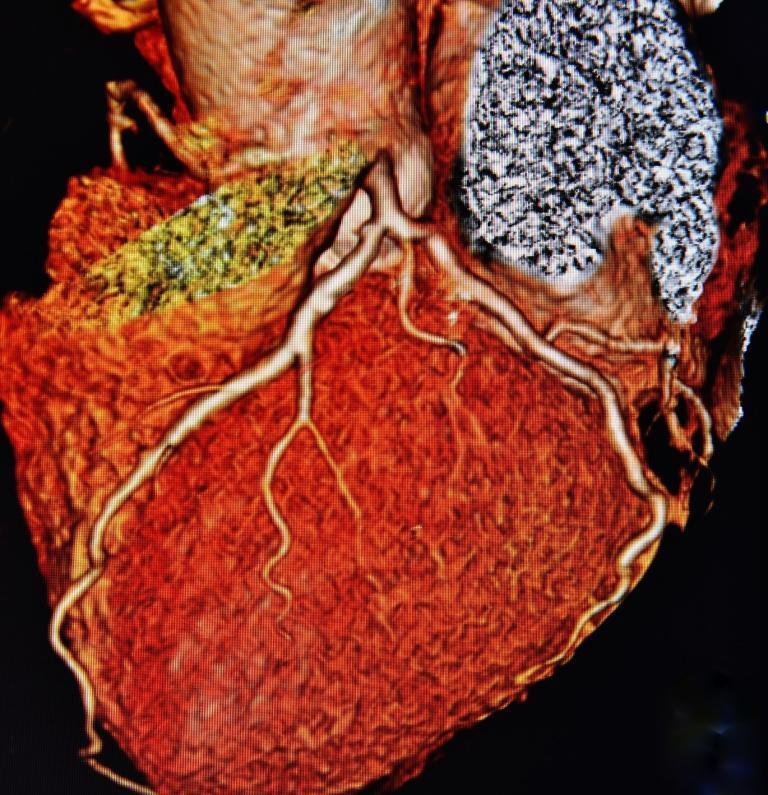
Deep learning-based SR-DLR significantly enhances coronary CT angiography image quality by improving spatial resolution and reducing noise in phantom studies.
Discover the benefits of AI echocardiography mitral stenosis diagnosis, combined with advanced digital processing methods.
The study critically evaluates 3D-to-2D knowledge distillation in neuroimaging classification, balancing volumetric insights with computational efficiency for real-world applications.
Algorithmic shortcutting in medical imaging highlights critical risks where deep learning models exploit confounding variables, demanding rigorous oversight and robust validation frameworks.
Uncover the role of AI intracranial haemorrhage detection in revolutionising emergency medicine and its clinical implications.
Discover how intracranial haemorrhage detection can be enhanced with AI: a breakthrough in emergency neuroradiology.
home » medical research hub