CLINICAL IMAGING HUB
Imaging and Clinical Practice
Clinical Imaging
The Clinical Imaging Hub integrates radiology, nuclear medicine, radiation therapy, medical physics and optical technologies. The aim is to help with informed diagnosis, guide treatment, and support patient care.
Integrated Practice
The Hub examines advanced imaging systems and expertise transforming complex data into clinical decisions. It highlights collaboration, standards and technologies that support safe practice.
Clinical Innovation
The Hub connects technological innovation with clinical application. The aim is to promote interdisciplinary collaboration and advance responsible imaging practice to improve patient outcomes.
Radiology
Radiology applies imaging technologies such as X-ray, ultrasound and CT to guide diagnosis and intervention. These techniques contribute to clinical decision-making and support minimally invasive procedures across various medical specialities.
Nuclear Medicine
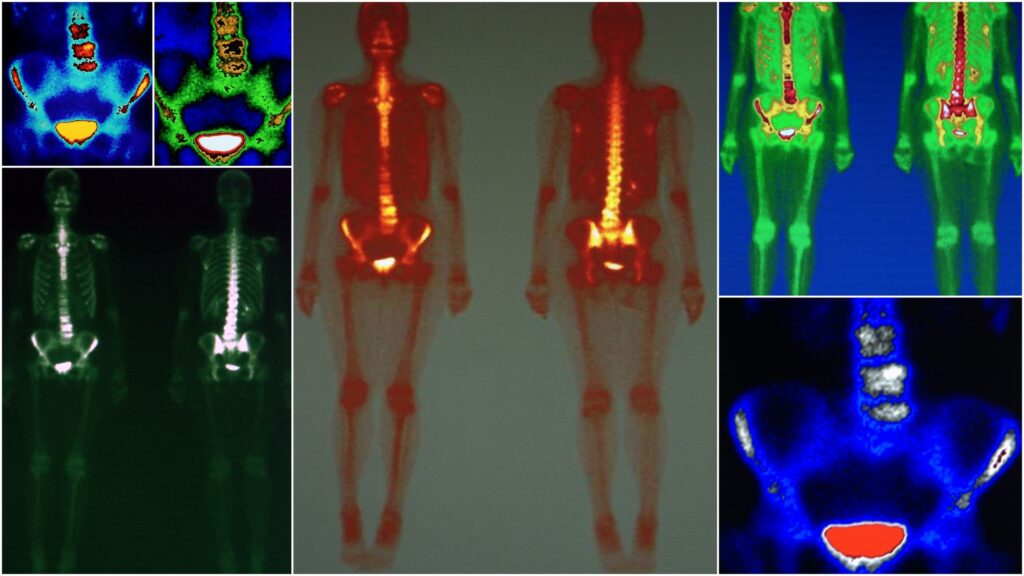
Nuclear Medicine uses radiotracers and imaging techniques, including PET and SPECT, to assess physiological function. These scanners help in the support of diagnosis, therapy planning and personalised treatment strategies.
Medical Imaging Topics
Medical Imaging Topics explores the applications of X-ray, MRI, and CT in clinical practice. The data obtained is used in image interpretation, workflow integration, and diagnostic strategy across healthcare.
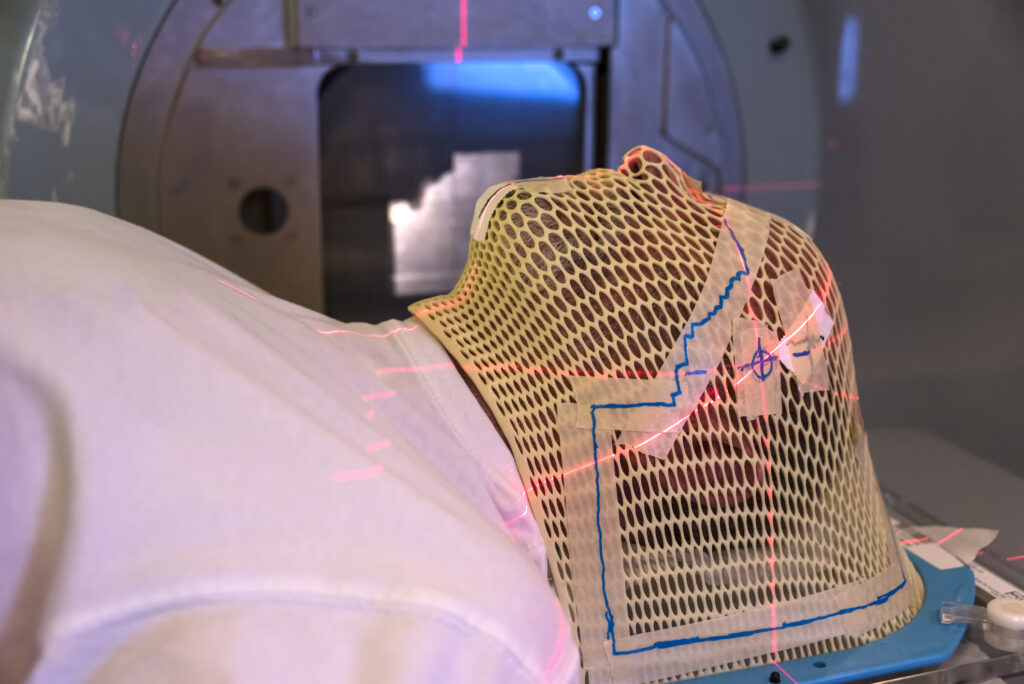
Radiation Therapy
Radiation Therapy delivers targeted ionising radiation using techniques such as IMRT and SRT. The aim is to maximise tumour control while limiting exposure to the surrounding healthy tissue.
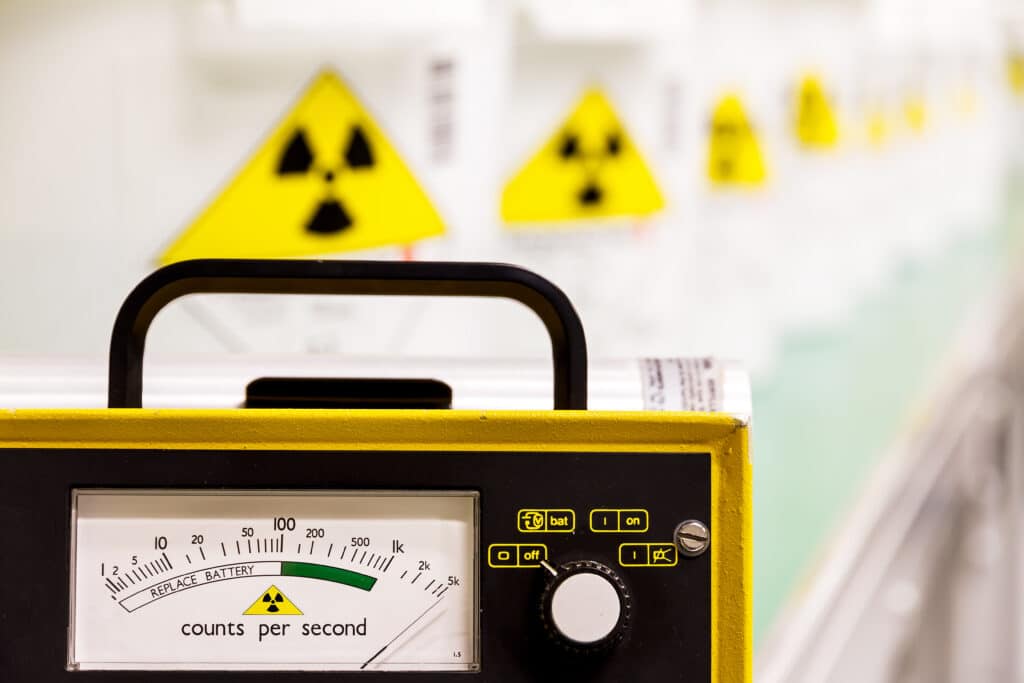
Medical Physics
Medical Physics ensures safe and effective use of radiation and advanced technologies in healthcare. This discipline underpins quality assurance, optimisation and regulatory compliance in imaging and therapy.
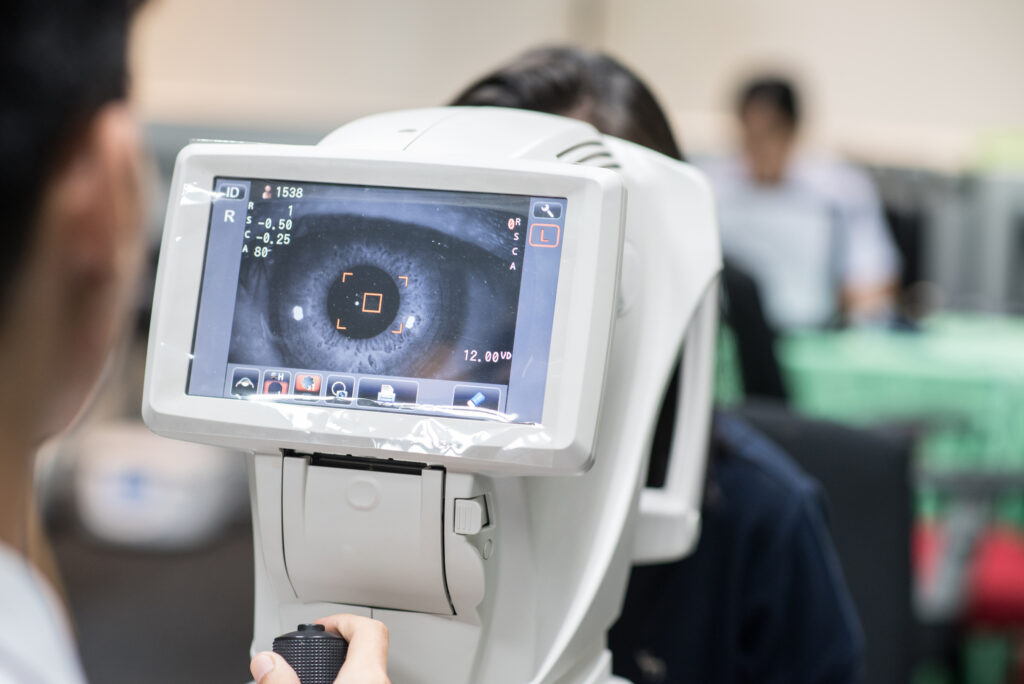
Optical Imaging
Optical Imaging uses light-based technologies to visualise biological structures and physiological processes. This technique supports diagnostic assessment and therapeutic guidance in clinical and research environments.
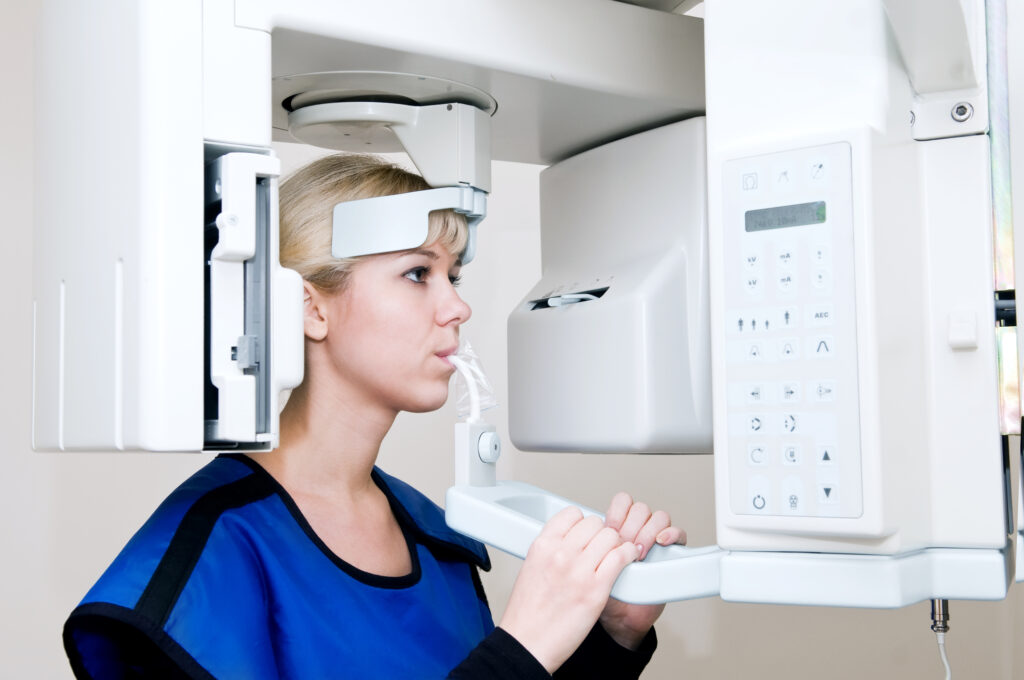
Dentistry
Dentistry integrates imaging technologies including X-ray and CBCT to assess oral and maxillofacial structures. Imaging supports diagnosis, treatment planning and procedural accuracy.
Human Anatomy
Human Anatomy examines the structural organisation of the body through imaging and anatomical study. The aim is to advance medical knowledge for clinical assessment and procedural planning.
Education
Education develops professional competence in radiography and imaging technologies. The aim is to prepare practitioners for safe, effective clinical practice.
Clinical imaging depends on collaboration between radiologists, physicists, technologists, nurses and educators. Teamwork supports accurate interpretation, optimised safety and effective translation into personalised treatment strategies.
LEARN
Precision and Safety
Advanced imaging supports targeted therapy while upholding rigorous radiation protection and quality assurance standards. Continuous optimisation enhances patient safety, workflow efficiency and diagnostic confidence in complex clinical environments.
CONTRIBUTE
From Insight to Action
The Clinical Imaging Hub bridges scientific innovation with everyday clinical practice and decision-making. This hub showcases how imaging drives prevention, early detection and tailored treatment across modern healthcare systems.
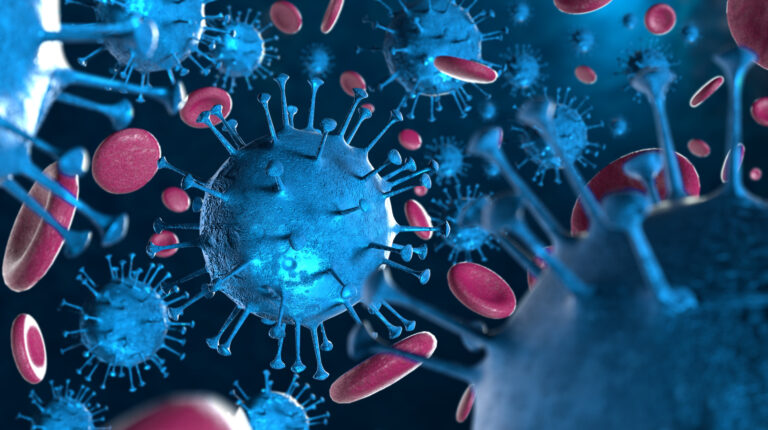
COVID-19 is caused by coronavirus virions that are enveloped spherical shaped virus crown spikes.
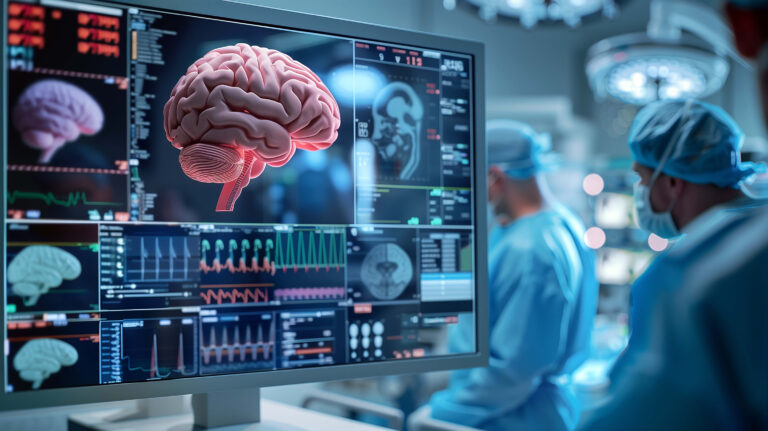
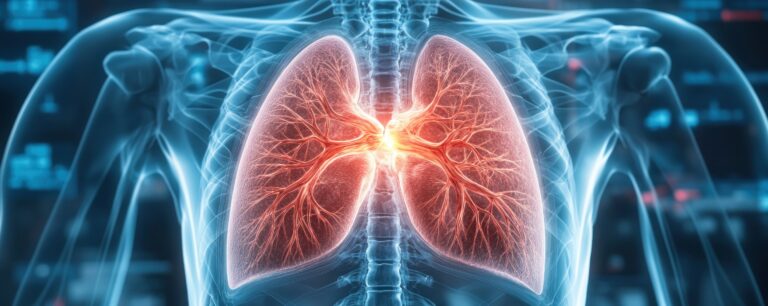
Discover the advantages of AI-powered radiology in modern healthcare, improving early detection and treatment success rates.
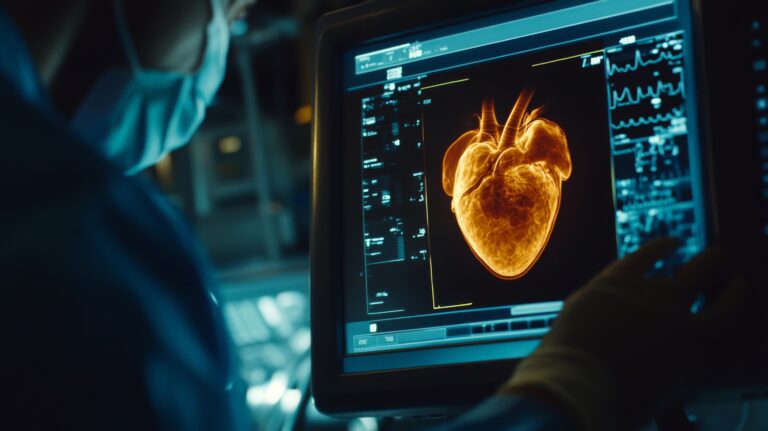
Heart imaging provides non-invasive ways to diagnose, treat, and monitor heart disease for better outcomes. Image for illustration only. People depicted are models.
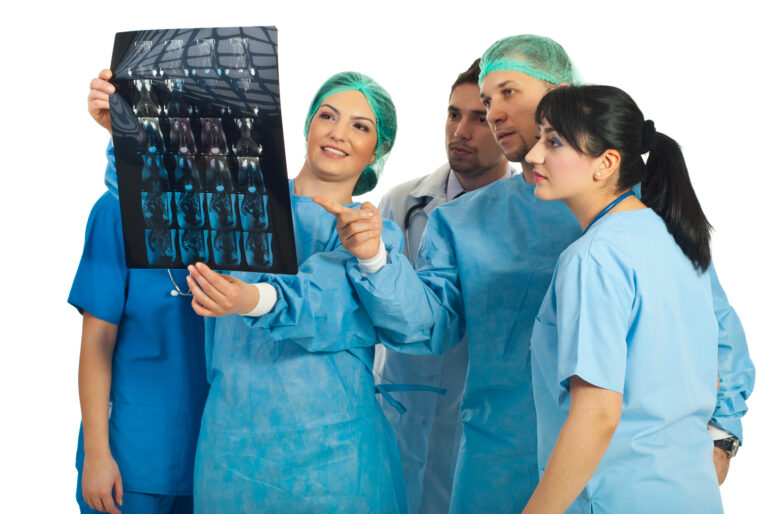
To excel in medical imaging, specialized postgraduate studies beyond basic nursing or medicine degrees are essential for careers like radiologist. Image for illustration only. People depicted are models.
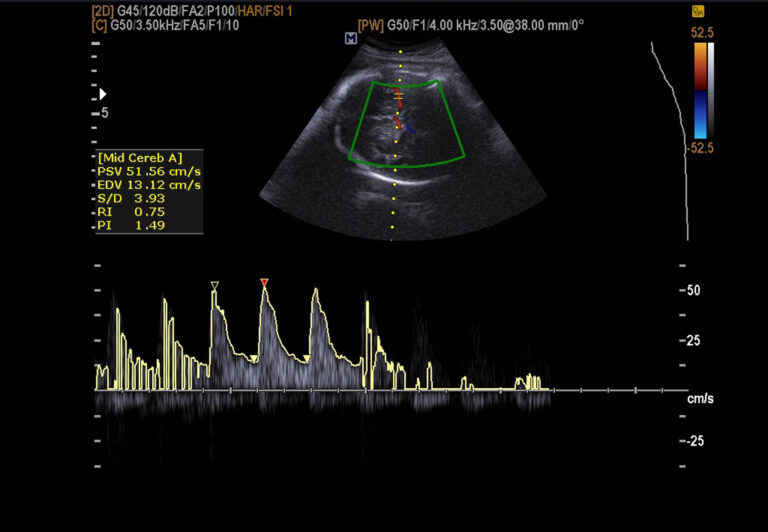
The magic of ultrasound imaging enables healthcare professionals to look inside the human body without being invasive.
Medical imaging has evolved over centuries, starting with X-rays in 1895, progressing to CT, MRI, and PET scans.
home » clinical imaging hub