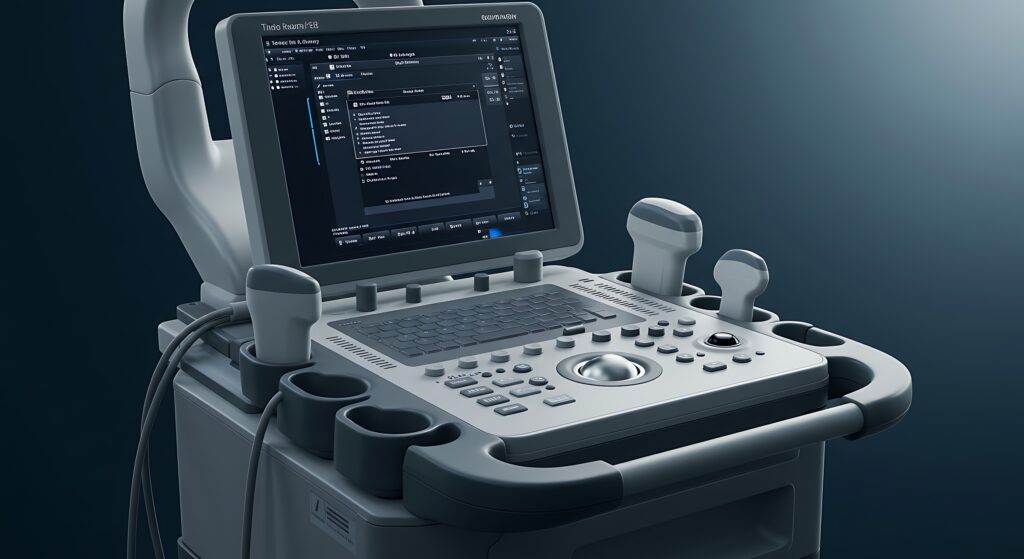


Three essential cases safeguarding critical medical equipment include antimicrobial sterile barriers, vibration-damping transit units, and audit-compliant traceability carriers, which prevent pathogen transmission, absorb kinetic impacts, and ensure regulatory chain-of-custody during deployment.
Medical-device downtime and physical damage pose severe patient-safety risks during transport outside controlled clinical environments.
Proper protective enclosures serve as the primary line of defence against environmental hazards, aggressive handling, and cross-contamination when sensitive instruments leave the clean room.
1. Sterility Safeguards and Pathogen Prevention Cases
The Contamination Problem
Medical devices frequently change hands among ambulances, outpatient clinics, and laboratory environments. Every transfer multiplies the risk of cross-contamination, particularly when equipment is shared among immunocompromised patients.
An estimated 20-40% of healthcare-associated infections have been attributed to cross-infection via contaminated healthcare surfaces. Pathogen mitigation requires physical barriers engineered specifically for infection control.
Key Design Innovations
Modern enclosures address biological risks through specialised material engineering. Antimicrobial interior linings embedded with silver-ion or copper technologies can significantly reduce bacterial loads within hours.
Seam-sealed zippers and gasketed closures prevent fluid ingress while allowing quick clinical access. Integrating engineered solutions, such as Royal Case’s durable custom soft case, provides medical-grade nylon outshells formulated to withstand thousands of cleaning cycles with quaternary ammonium and bleach.
Field Applications
Targeted material selection directly impacts clinical outcomes. Blood-pressure cuff travel kits utilising sealed soft enclosures lined with antimicrobial fabric demonstrate measurable reductions in surface transfer incidents.
Studies show that 86.8% of all sampled equipment was contaminated, highlighting the immediate need for better protective covers. Hydrophobic, silver-treated fabrics borrowed from high-performance outdoor applications serve as reliable material analogues when selecting medical-grade textiles.
Action Checkpoint
Audit existing protective infrastructure for the following specifications:
- Interior fabrics certified for antimicrobial efficacy.
- Closure systems tested against fluid ingress using ASTM F1671 standards.
- Material compatibility with facility-approved disinfectant chemistry.
Important: Standard soft fabrics act as sponges for healthcare-associated pathogens. Always specify seam-sealed enclosures with certified antimicrobial linings to prevent dangerous cross-contamination during equipment transport.
2. Built-In Durability for Surviving Aggressive Transit Schedules
The Physical Threat Landscape
Precision sensors, diagnostic lasers, and ambulatory pumps are increasingly deployed outside controlled hospital walls.
Mobile vaccination clinics and home dialysis operations expose sensitive electronics to vibration, drops, and severe temperature swings. These kinetic forces can quickly misalign optical components or crack printed circuit board traces.
Key Design Innovations
Multi-layer architecture pairing cross-link polyethene (XLPE) with ethylene-vinyl acetate (EVA) dissipates substantial kinetic energy compared to single-density alternatives.
Moulded thermoplastic polyurethane (TPU) corner inserts absorb edge impacts that standard soft-shell frames routinely miss.
Furthermore, co-extruded high-tenacity fabrics rated for excessive Martindale abrasion cycles protect critical stitching lines across logistics hubs and aircraft holds.
Field Applications
Transit-validated enclosures dramatically reduce equipment failure rates. Portable hemodialysis units utilising ASTM D4169-validated carriers experience significantly fewer transit-related service calls.
Ambulatory infusion pumps deployed in temperature-fluctuating environments require structural layers paired with abrasion-proof skins to maintain operational integrity.
Edge protection and active vibration damping translate directly into enhanced reliability for high-vibe distribution networks.
Action Checkpoint
Ensure suppliers provide comprehensive structural validation:
- Vibration and drop-test data aligned with ASTM D4169 or IEC 60068-2.
- Material abrasion certification using Martindale or Wyzenbeek methodologies.
- Thermal-cycling validation matches the intended distribution climate.
Pro Tip: Single-density foams often fail under continuous transit stress. Pair cross-linked polyethene (XLPE) with EVA layers to create a multi-density architecture that fully dissipates kinetic energy.
3. Meeting Regulatory Compliance to Pass the Audit
The Regulatory Environment
Global regulators are widening their oversight parameters. Accessories capable of affecting medical device performance inevitably attract the same regulatory scrutiny as the base diagnostic unit.
Compliance documentation must function as an upfront design deliverable rather than a post-production afterthought.
Key Design Innovations
Material traceability remains critical for global distribution. Components must comply with RoHS, REACH, and PFAS-free mandates, supported by centralised Certificate of Conformance (CoC) databases.
Embedded RFID or Unique Device Identification (UDI) tags allow teams to precisely pair specific carriers with diagnostic devices. This supports accurate chain-of-custody tracking and streamlines recall accuracy.
Field Applications
Integrating compliance directly into the carrier design accelerates operational efficiency. Wearable glucose-monitor starter kits featuring UDI-linked carriers speed up hospital receiving inspections because the device and accessory scan as a matched, verified set.
At-home diagnostic kits utilising integrated UN3373 labels and impact-indicator badges enable commercial-carrier shipping while satisfying stringent IATA packing instructions.
Action Checkpoint
Verify the following regulatory criteria for every enclosure in the supply chain:
- Full material certificates and regulatory maps encompassing RoHS and REACH.
- Serialised RFID or barcode capability engineered for UDI pairing.
- Availability of first-article inspection (FAI) and process-validation reports.
Key Insight: Treat the protective carrier as a fully documented medical component from day one. Integrating UDI tags and compliance documentation during the design phase prevents costly distribution delays.
The Path Forward
Sterility barriers, impact engineering, and audit-ready documentation form the interconnected pillars of modern medical equipment safety.
Healthcare delivery continues to decentralise into home and field environments. Protective enclosures must evolve rapidly alongside the diagnostic tools they shield to maintain clinical efficacy.
OEM engineers and procurement teams should benchmark existing inventory against established durability and compliance standards.
Collaborating with specialised manufacturing partners ensures next-generation enclosures protect sensitive electronics and satisfy stringent regulatory requirements. Selecting engineered enclosures guarantees optimal equipment safety and uninterrupted clinical care.
Disclaimer
The information presented in this article is intended for general informational purposes only and does not constitute medical, regulatory, or professional engineering advice. While efforts have been made to ensure accuracy, Open MedScience makes no guarantees regarding the completeness, reliability, or suitability of the information for specific clinical, regulatory, or operational contexts. Healthcare organisations, manufacturers, and procurement teams should consult qualified professionals and relevant regulatory guidance before implementing any equipment transport, storage, or compliance strategies. Open MedScience is not responsible for any actions taken based on the content of this article.