

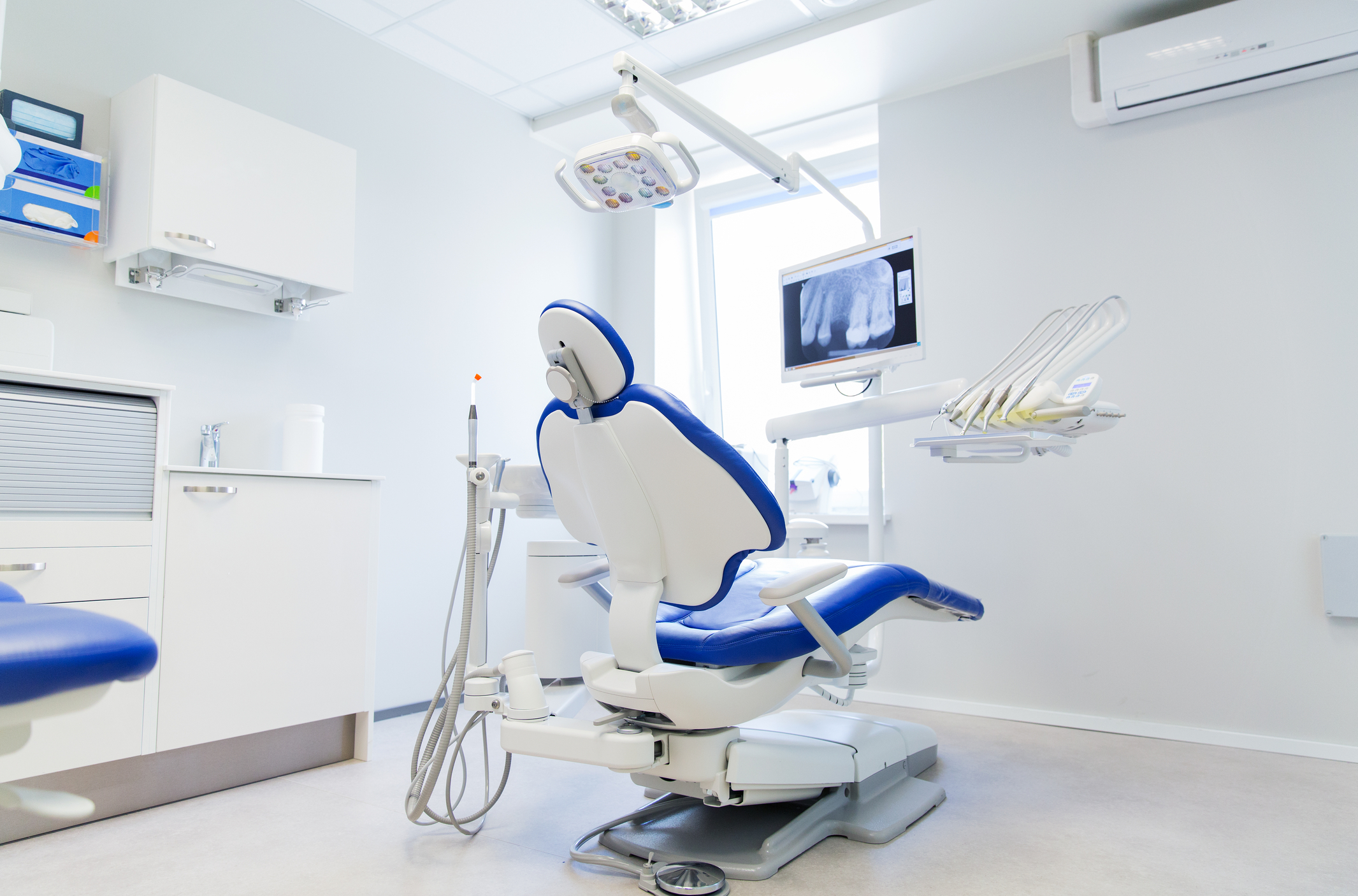
Three essential equipment upgrades that elevate wellness clinics include ergonomic multi-position electric treatment chairs, IoT-enabled therapy devices, and modular multi-disciplinary diagnostic stations.
These clinical fixtures significantly improve patient comfort and internal operational efficiency. The modern landscape of wellness care requires practices to merge clinical outcomes with high-end ambient experiences.
Implementing these targeted wellness innovation strategies allows practitioners to stay competitive while navigating tighter economic pressures and staffing challenges.
1. Ergonomic, Multi-Position Electric Treatment Chairs
Traditional flat tables often force practitioners into awkward positions, steadily contributing to musculoskeletal injuries that sideline staff and drive up workers’ compensation costs.
Research consistently validates the need for proper structural support; notably, the median musculoskeletal disorder (MSD) rate decreased from 12.32 to 6.64 per 200,000 employee-hours, a decrease greater than the secular trend for the study period (1999-2003).
Fixed-height platforms also limit the range of modalities a therapist or physician can perform in a single session, inadvertently reducing billable services. Transitioning to dynamic seating and positioning systems addresses both practitioner health and patient accessibility.
Modern clinical seating utilises silent lift actuators that adjust height and tilt via foot-pedal or hand-held remotes, allowing seamless transitions during treatments. Programmable memory presets enable staff to toggle between exam, injection, and recovery positions in seconds.
For clinics evaluating infrastructure updates, Massage Tools’ professional-grade electric treatment chairs serve as one example of this newer generation of ergonomic design. These modernised fixtures typically offer whisper-quiet motors and durable upholstery alongside other essential clinical furnishings.
The operational impact of this upgrade is highly measurable across a facility. When a mid-size chiropractic clinic in Denver replaced five fixed tables with electric seating, the team shortened average session turnover by 15 per cent by minimising manual adjustments.
This efficiency gain allowed each practitioner to safely see two additional patients per day while reducing staff sick days previously driven by lower-back strain.
Key Insight: Upgrading to electric treatment chairs isn’t just about patient comfort. It is a strategic investment that actively reduces practitioner musculoskeletal injuries while increasing daily patient capacity through faster turnover.
2. IoT-Enabled Therapy Devices and Smart Controls
Connected devices are no longer confined exclusively to large hospital networks. Data indicates that the use of IoT technology helps automate the entire patient care workflow.
In other words, IoT-enabled smart devices have started to facilitate care and accurate treatment services and strategies by healthcare providers, including doctors, hospitals, and clinics.
Internet of Things (IoT) integrations now extend to hydrotherapy tubs, infrared saunas, neuromuscular electrical stimulation units, and adjustable lighting systems.
Today, the integration of IoT and ML technologies has catalysed technological advancements within the medical domain, thereby paving the way for the evolution of novel medical devices and therapeutic approaches.
These smart devices feature embedded sensors that collect duty-cycle data, effectively predicting maintenance requirements before critical downtime occurs. Usage analytics highlight which specific protocols drive superior outcomes, empowering evidence-based care models.
Furthermore, remote dashboards enable therapists to fine-tune treatment parameters without physically disturbing the patient.
A recent implementation at a Toronto physiotherapy centre demonstrated the value of this deep connectivity.
By adding sensor-based EMS machines that automatically log intensity, electrode placement, and session length, the clinic reduced average post-surgical knee-rehab timelines by 10 per cent. This robust data set also proved invaluable when the facility negotiated outcome-based contracts with regional insurers.
Important: When integrating IoT therapy devices, never overlook cybersecurity. Always partner with IT professionals to ensure HIPAA compliance, end-to-end encryption, and proper segmentation of medical traffic from standard guest networks.
3. Modular, Multi-Disciplinary Diagnostic Stations
Facilities juggling multiple specialities, such as sports medicine and physiotherapy, often dedicate separate rooms to ultrasound, electro-stimulation, laser therapy, or vibration treatments.
Stand-alone carts consume valuable square footage and force staff to shuffle patients from room to room. This disjointed movement creates severe workflow bottlenecks that hinder clinic efficiency.
Modular stations resolve this by integrating ultrasound, EMS, or laser systems onto a single tower equipped with quick-release arms for rapid modality swaps. Swappable handpieces help future-proof the initial hardware investment as new clinical protocols emerge over time.
Built-in power management and internal cable routing also reduce workplace tripping hazards and simplify sanitation procedures between sessions.
The space-saving benefits allow clinics to effectively optimise their existing real estate. An Austin-based sports rehabilitation practice recently adopted two modular stations, reconfiguring its floor plan from six small, specialised rooms to four versatile treatment bays.
Daily patient capacity expanded from 18 to 24 without adding any square footage, and patient satisfaction scores climbed 8 per cent due to the elimination of mid-session transfers.
Pro Tip: To maximise clinic square footage, replace single-use treatment rooms with modular diagnostic stations. Eliminating mid-session room transfers immediately boosts daily patient capacity and significantly improves patient satisfaction scores.
Strategic Implementation and ROI Measurement
Adopting advanced clinical hardware requires a structured approach to maximise return on investment and ensure staff adoption across the facility.
- Assess: Conduct a comprehensive audit of existing equipment ROI and review recent patient-feedback surveys to identify bottlenecks where comfort, clinical outcomes, or daily efficiency lag.
- Train: Utilise vendor-led workshops, online modules, and continuing education credits to help staff master new diagnostic and therapeutic devices. Early technical competence directly accelerates workflow improvements.
- Monitor: Track key performance indicators (KPIs) such as session turnover time, treatment efficacy scores, and overall patient satisfaction, adjusting protocols on a quarterly basis.
The financial justification for these upgrades is heavily documented within modern healthcare literature. Peer-reviewed studies consistently link adjustable seating and ergonomic equipment to a 30 to 50 per cent reduction in practitioner musculoskeletal injuries.
Furthermore, industry analyses of connected health devices indicate that clinics implementing predictive-maintenance analytics often see a complete return on investment within 18 to 24 months through minimised operational downtime.
Key Insight: The financial justification for clinical hardware upgrades is substantial. Clinics utilising ergonomic equipment and predictive maintenance analytics frequently see a 30 to 50 per cent drop in staff injuries and achieve full ROI within 24 months.
The Path Forward for Modern Clinics
Modern clients expect an environment that pairs high-end comfort with measurable, evidence-based health outcomes. Relying on outdated hardware compromises both the patient experience and the operational health of the business.
Among the various innovations available to practice owners, upgrading core foundational elements like clinical seating often represents the lowest-risk, highest-impact initial step toward modernisation.
Conducting a strategic equipment audit this quarter can serve as the primary catalyst that elevates patient care and protects staff from repetitive strain injuries.
By prioritising professional-grade, reliable performance standards, wellness facilities can confidently meet the rising expectations of today’s healthcare consumer.
Disclaimer
The information presented in this article is provided for general informational purposes only and does not constitute medical, clinical, financial, or professional advice. References to specific products, technologies, or organisations are included for illustrative purposes and should not be interpreted as endorsements by Open MedScience. Healthcare providers and clinic operators should conduct their own due diligence and consult appropriate professionals before purchasing equipment, implementing new technologies, or making operational changes within their facilities.