

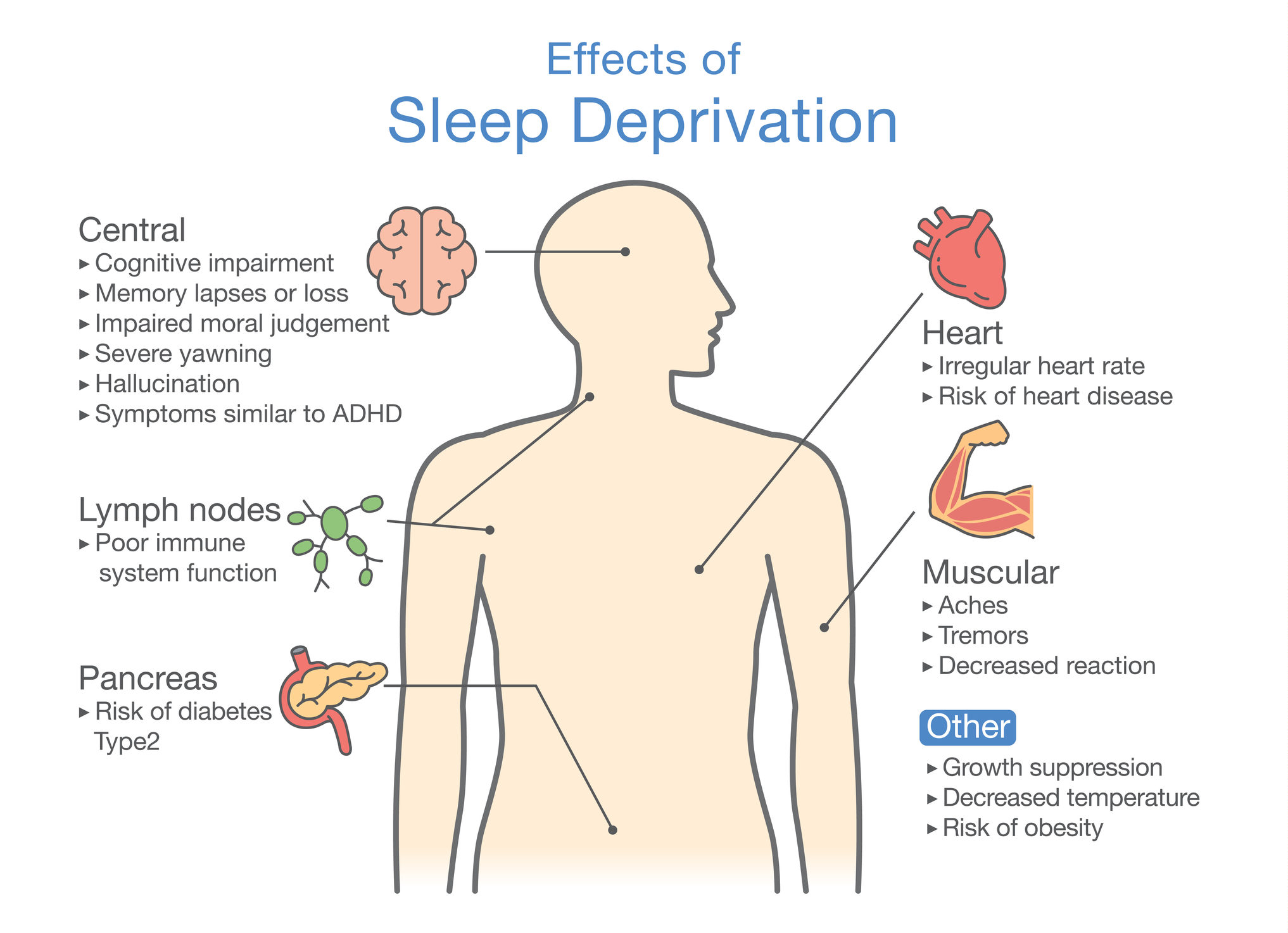
Three proven CPAP benefits for restful mornings include dramatically lowering the apnea-hypopnea index, improving cardiovascular health markers, and elevating cognitive function.
These benefits together restore restorative sleep and reduce daytime fatigue. Obstructive sleep apnea causes repeated airway collapses that fragment sleep and increase long-term health risks like hypertension and mood disorders.
Consistent continuous positive airway pressure therapy acts as a pneumatic splint to maintain open airways, ensuring uninterrupted oxygen flow throughout the night.
Why Effective Therapy Matters
During sleep, relaxed throat muscles can narrow or completely block the airway. Each pause in breathing or reduction in airflow counts toward an individual’s Apnea-Hypopnea Index.
A higher AHI indicates more fragmented sleep and correlates with a greater risk of long-term health complications.
Without intervention, untreated obstructive sleep apnea places a severe strain on the body. This includes cardiovascular stress leading to hypertension and arrhythmias, severe daytime sleepiness, and progressive cognitive decline.
By delivering a gentle continuous column of air, CPAP splints the airway open. This prevents collapse and restores critical oxygen flow to the brain and body.
Key Insight: Untreated sleep apnea isn’t just about snoring. It places immense strain on your heart and brain. CPAP therapy acts as a gentle, pneumatic splint to safely maintain vital oxygen flow all night.
1. Lowers the Apnea-Hypopnea Index
The Apnea-Hypopnea Index functions as a clinical severity score for nightly breathing disruptions, where a lower number indicates healthier sleep.
Modern respiratory technology plays a critical role in achieving excellent clinical outcomes. One highly regarded example of modern respiratory technology is RespShop’s medical-grade AirSense 11 CPAP machine.
This unit utilises breath-by-breath algorithms that automatically adjust air pressure in response to changing sleep stages and shifting body positions.
Integrated leak compensation ensures that the correct therapeutic pressure reaches the airway even if a mask temporarily slips. Clinical evidence strongly supports this mechanism as a gold-standard treatment.
A meta-analysis of randomised trials has shown that CPAP, compared to sham CPAP, significantly reduces the apnea-hypopnea index (AHI) in patients with obstructive sleep apnea, with mean differences typically around 10–30 events per hour depending on the studies included.
Long-term CPAP use is also associated with AHI reductions of approximately 5 events per hour after treatment withdrawal in severe cases.
The study also noted improved daytime sleepiness as assessed by the Epworth Sleepiness Scale, better blood pressure, and sleep-related quality of life. Patients utilising automated pressure adjustments routinely see their scores plunge from severe categories to normal baseline levels overnight.
Quote: “Modern CPAP devices utilise breath-by-breath algorithms to instantly respond to changing sleep stages and shifting body positions, guaranteeing optimal therapeutic pressure throughout the night.” – Sleep Medicine Technologist
2. Improves Cardiovascular Health Markers
Obstructive sleep apnea forces the cardiovascular system into a nightly roller coaster characterised by dangerous oxygen dips and subsequent blood pressure spikes. Consistent CPAP application smooths this physiological turbulence, providing measurable protection for the heart.
According to a 2019 AASM meta-analysis, compared with no therapy, CPAP had a significant impact on OSA severity, Epworth Sleepiness Scale scores, and both nighttime and 24-hour mean blood pressure.
These cardiovascular benefits accumulate strictly when therapy is maintained night after night. Built-in compliance tracking systems provide instant feedback on usage hours, mask seal quality, and AHI reduction.
This real-time data visibility encourages the consistent usage required to achieve long-term cardiac improvements.
4 Fast Ways to Boost CPAP Adherence
Implementing a nightly routine is crucial for long-term cardiovascular recovery. Consider these effective strategies to improve your daily experience and build sustainable sleep habits.
- Fit first: Utilise mask liners to reduce facial leaks and prevent skin irritation.
- Acclimation time: Try a mask acclimation hour before bedtime while reading or watching television to normalise the sensation.
- Track progress: Monitor therapy metrics on a smartphone application, as data visibility frequently boosts patient motivation.
- Keep spares: Maintain fresh filters, cushions, and comfortable accessories to remove small environmental barriers to nightly use.
Pro Tip: Consistency is your best tool for cardiovascular recovery. Track your nightly therapy metrics on a smartphone app. This data visibility frequently boosts motivation and helps you spot mask leaks early.
3. Elevates Quality of Life and Cognitive Function
Daytime fatigue, frustrating memory lapses, and unpredictable mood swings are hallmark symptoms of untreated OSA. Fortunately, continuous positive airway pressure has been shown to reverse these cognitive deficits effectively.
Meta-analyses of randomised controlled trials confirm that CPAP therapy significantly improves daytime sleepiness and sleep quality in patients with obstructive sleep apnea. CPAP also reduces the apnea-hypopnea index and improves oxygen saturation.
Additionally, a large meta-analysis analysing data from over 1 million OSA patients found that CPAP therapy significantly reduces all-cause and cardiovascular mortality.
Patient comfort directly drives these clinical results and cognitive benefits. Features that allow users to begin each night at a gentler pressure before automatically rising to a therapeutic setting help reduce pressure intolerance.
Over-the-air firmware updates also continually refine comfort settings, keeping the therapy experience optimal. Patients beginning therapy with a high baseline AHI often report a rapid reduction in brain fog and improved daytime focus.
Bringing Technology and Therapy Together
The integration of advanced technology into respiratory care has fundamentally transformed patient adherence rates. Modern devices feature adaptive algorithms that track breathing patterns up to 50 times per second, ensuring highly responsive therapy.
Ultra-quiet motors and slim-profile designs accommodate light sleepers and shared bedrooms seamlessly.
Additionally, wireless data upload capabilities simplify physician follow-ups, allowing sleep specialists to monitor progress remotely. Touchscreen interfaces and voice-guided setups significantly shorten the learning curve for new patients.
Taken together, these innovations remove traditional friction points that historically pushed users to abandon therapy prematurely.
Important: Untreated obstructive sleep apnea progressively increases your risk for hypertension and arrhythmias. Never postpone a sleep consultation if you routinely experience severe daytime sleepiness or unrefreshing sleep.
The Path Forward
Achieving better sleep often jump-starts a variety of other lifestyle upgrades. With restored energy levels, individuals frequently find the motivation to increase physical activity and adopt sustainable habits.
Simple changes like taking morning walks or staying hydrated throughout the day further support cardiovascular recovery. Ultimately, these small daily choices reinforce the foundational health benefits provided by consistent, restorative sleep.
Disclaimer
This article is provided for general informational and educational purposes only and does not constitute medical advice, diagnosis, or treatment. The information presented should not be used as a substitute for professional medical guidance from a qualified healthcare provider. Individuals who suspect they may have obstructive sleep apnoea or any sleep-related disorder should consult a licensed medical professional or sleep specialist for proper evaluation and treatment. Open MedScience does not endorse specific medical devices, products, or services mentioned in this article, and readers should conduct their own research and seek professional advice before making healthcare decisions.
home » blog » health and wellbeing »