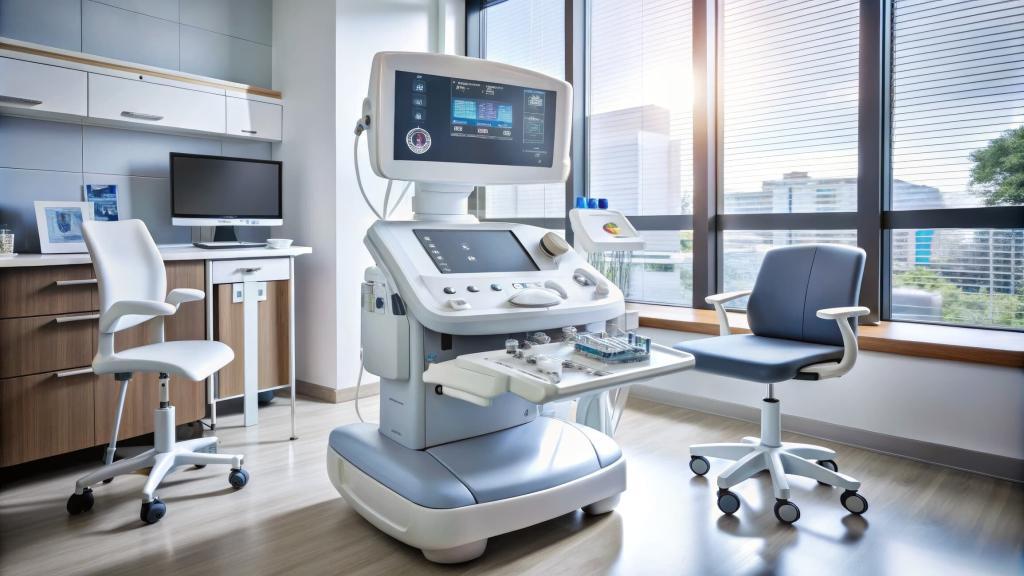

Three surprising ways simple gear stops hidden germs and airborne hazards in medical facilities include deploying continuous gas detection systems, integrating environmental sensors with automated HVAC controls, and enforcing strict equipment calibration routines.
These actions collectively prevent invisible chemical buildup and maintain safe sterilisation environments. While diagnostic tools often receive the spotlight, the same standard of precision must apply to the medical safety gear that protects clinicians and patients daily.
Unchecked disinfectant vapours and anaesthetic leaks compromise safety in seconds, making proactive gas detection in healthcare essential for strict infection control.
In this article, we examine the interconnected pillars that keep hospitals and outpatient centres safe. We will explore the impact of high-quality gas detection systems, the seamless integration of advanced safety solutions, and the critical power of routine maintenance.
1. Why High-Quality Gas Detection Systems Matter
Medical facilities face numerous invisible hazards daily. Common hospital gas hazards involve nitrous oxide in operating rooms, ethylene oxide used for sterilisation, formaldehyde in pathology labs, and oxygen-enriched zones in intensive care units.
Carbon dioxide buildup in endoscopy reprocessing rooms also requires constant monitoring. Healthcare professionals working in hospitals, operating rooms, dental offices, and other settings are routinely exposed to waste anaesthetic gases and face occupational health risks, with U.S. agencies like NIOSH and CDC recommending exposure limits to reduce potential illnesses.
An incident at a surgical centre illustrates the stakes when managing these environments. A circulating nurse noticed staff complaints of dizziness before a portable monitor quickly flashed an elevated nitrous-oxide reading.
The surgical team diverted airflow, sealed the source valve, and continued the case without patient harm. The total downtime was drastically reduced from a multi-hour shutdown to a matter of minutes.
That response succeeded because the device passed its functional check. Bump testing should be done before each use to verify sensor accuracy and alarm thresholds.
For reliable hazard identification, utilising PK Safety’s portable multi-gas detector provides a dependable solution that simplifies these daily routines. Relying on accurate equipment ensures facilities deploy the right tools to identify hazards before they escalate.
Pro Tip: Bump testing before each use is non-negotiable. Always verify sensor accuracy and alarm thresholds to ensure your portable multi-gas detectors are ready to identify critical hazards before they escalate.
2. Integrating Advanced Safety Solutions
Gas monitors should never act in isolation. Forward-thinking hospitals tie these detectors into broader safety ecosystems.
Effective integrations include HVAC controls that automatically boost exhaust when parts-per-million thresholds are crossed, and nurse-station dashboards that combine exposure alerts with building management system data.
More than 100,000 emergency department visits and more than 400 accidental deaths in the United States are attributed to unintentional carbon monoxide (CO) poisoning each year (excluding fire-related incidents), highlighting the need for automated mitigation.
Regulatory alignment drives these integrations forward to protect vulnerable staff. OSHA mandates specific exposure limits, while environmental infection control guidelines recommend continuous monitoring in critical zones.
Consider a sterilisation room fitted with a fixed ethylene oxide sensor. When concentrations rise above a set limit, the detector signals the management system, which ramps up local exhaust and notifies central security.
Key Insight: Gas monitors should never operate in a vacuum. Integrating detection systems with HVAC controls and building management dashboards ensures an automated, rapid response when hazardous thresholds are crossed.
3. The Often-Ignored Power of Routine Maintenance
Skipping a basic sensor calibration can lead to significant operational disruptions. Calibration intervals, shelf-life tracking, and precise documentation remain the unsung heroes of workplace safety in medical facilities.
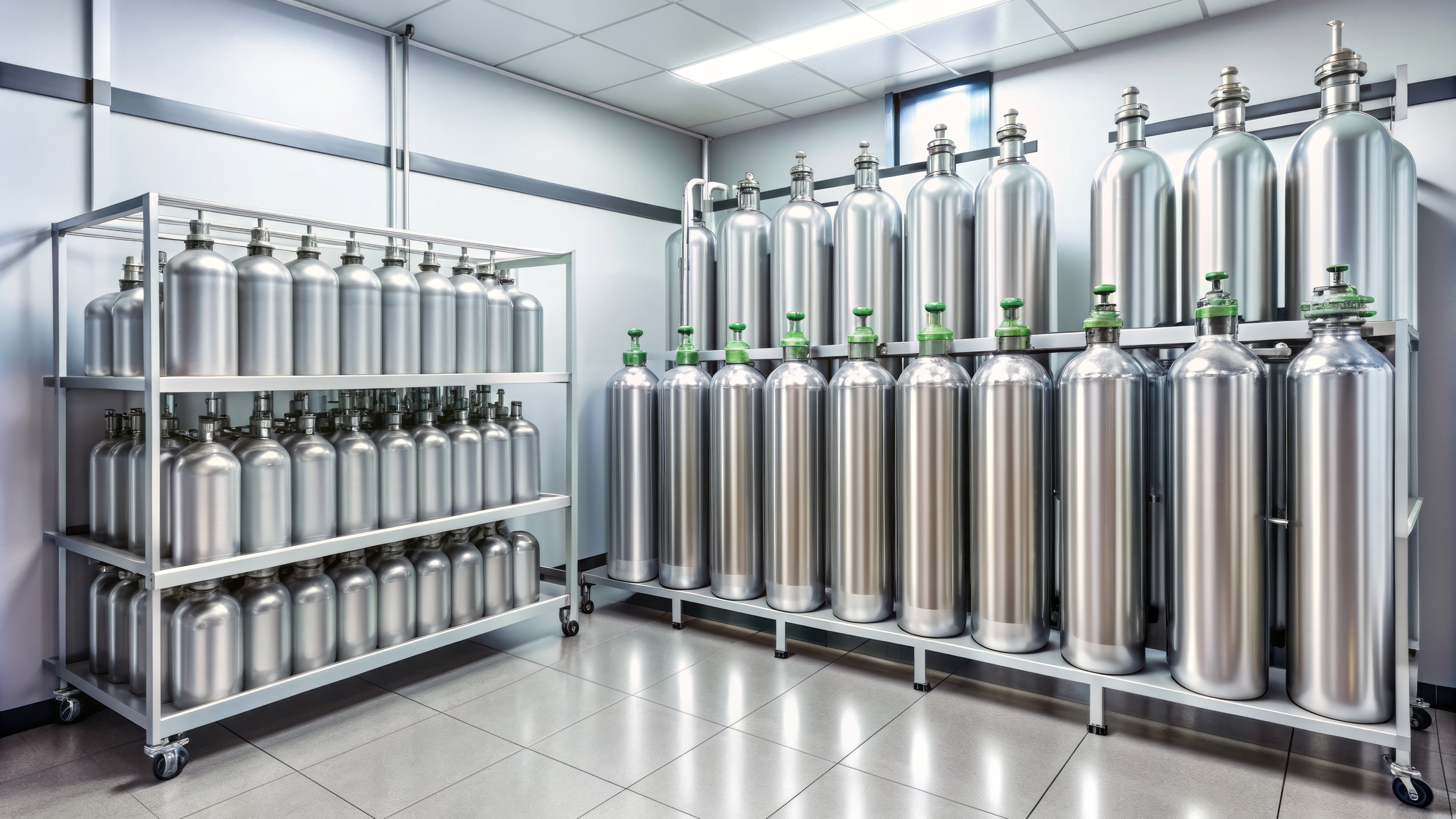
Proper gas management is crucial for maintaining sensor accuracy. Many single-gas calibration cylinders have a shelf life of three years, while multi-gas cylinders often have a one-year shelf life.
Replacing cylinders too early wastes the budget, but replacing them too late risks inaccurate readings. Research shows that many gas-related incidents stem from lapsed maintenance logs.
Facilities address this challenge through factory-authorised repairs and loaner programs that prevent coverage gaps. In 2017, 41 U.S. workers died on the job after a single episode of inhaling chemicals and chemical products, 7 more fatal injuries than in 2016.
Important: Lapsed maintenance logs are a leading cause of gas-related incidents. Never ignore sensor calibrations, and closely track gas cylinder expiration dates to prevent dangerous coverage gaps and inaccurate readings.
Additional Considerations
What counts as medical safety gear? Beyond masks and face shields, comprehensive safety protocols include gas monitors, fall-protection kits for rooftop HVAC checks, and winter-response personal protective equipment.
You might even utilise heated gloves that maintain dexterity during emergency oxygen-tank swaps on outdoor loading docks.
When evaluating fixed versus portable detectors, consider the specific application. Fixed units offer continuous monitoring in high-risk zones, while portables provide essential flexibility for maintenance staff and first responders operating across different work environments.
One avoided ethylene oxide event saves substantial resources in remediation and regulatory fines, easily justifying the lifetime cost of a thorough detection program.
Composite Case Study
A children’s clinic in the Southwest experienced recurring steriliser alarms. The facility upgraded its program with a fixed ethylene oxide sensor network backed by calibrated portable monitors and cloud logging.
Within six months, the time above the threshold dropped significantly. Staff exposures fell to zero, satisfying safety auditors and boosting overall staff confidence.
A Quick Word on Mobility and Outdoor Safety
Some large campuses rely on courier services to shuttle lab specimens between buildings. Ensuring those couriers operate safely means addressing road hazards, visibility, and proper vehicle upkeep.
If your team uses a moped scooter fleet, you must integrate reflective apparel and ensure lithium-ion batteries are stored according to proper fire safety guidelines.
Your Next Steps
Protecting healthcare environments requires proactive strategies and reliable equipment. First, invest in accurate detection by confirming every critical area has a calibrated multi-gas solution.
Next, integrate alarms into broader workflows by tying detectors to HVAC and notification systems. Finally, schedule disciplined maintenance to track bump tests, calibrations, and gas-cylinder expiration dates.
Putting safety first means all medical personnel and vulnerable patients avoid exposure to dangerous, unseen compounds. We recommend consulting industry specialists with in-house technical expertise for a comprehensive facility risk review. Proper preparation prevents future workplace emergencies.
Quote: “Prioritising safety ensures that every clinician and patient remains protected from hidden airborne hazards. Work safe. Go home.”
Disclaimer
The information presented in this article is intended for general educational and informational purposes only. It does not constitute professional medical, safety, engineering, or regulatory advice. Healthcare facilities should consult qualified safety professionals, equipment manufacturers, and relevant regulatory guidance before implementing gas detection systems or other medical safety measures. Open MedScience assumes no responsibility for actions taken based on the content of this article.