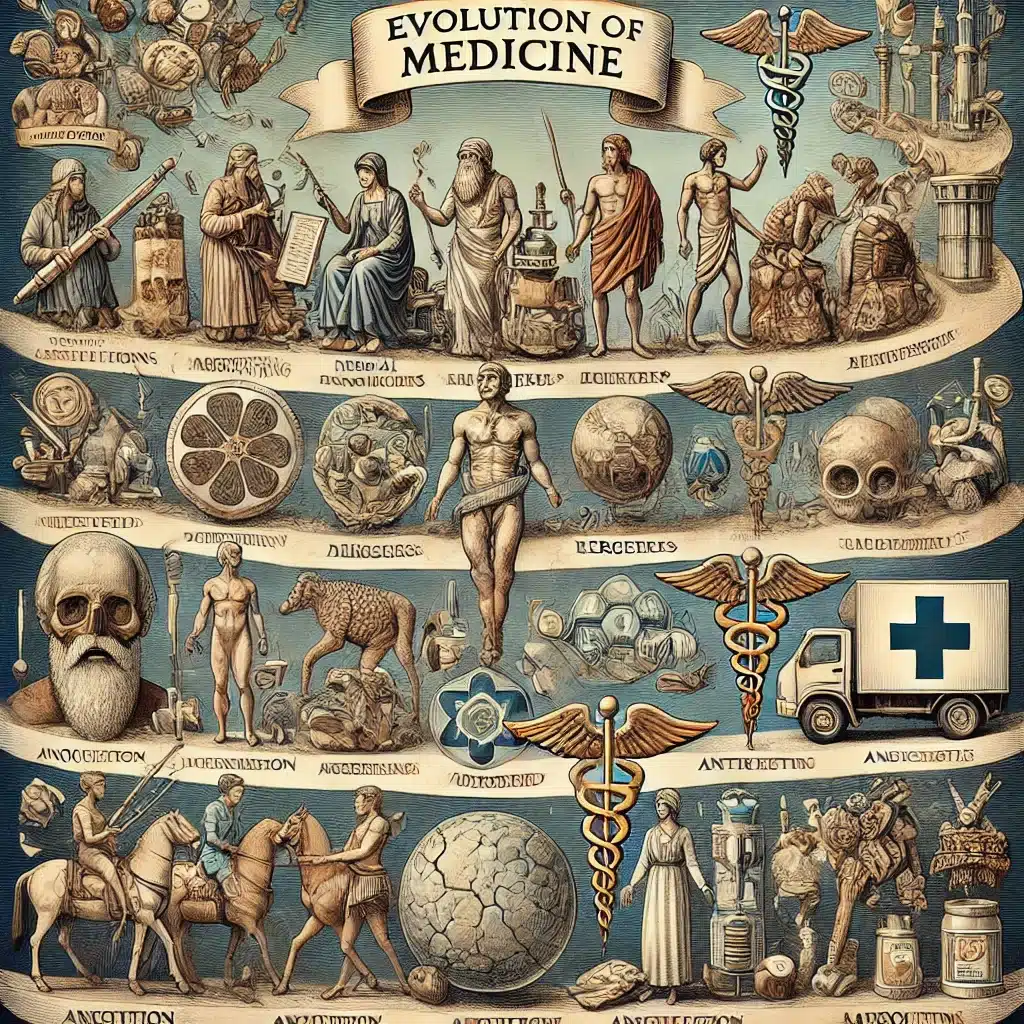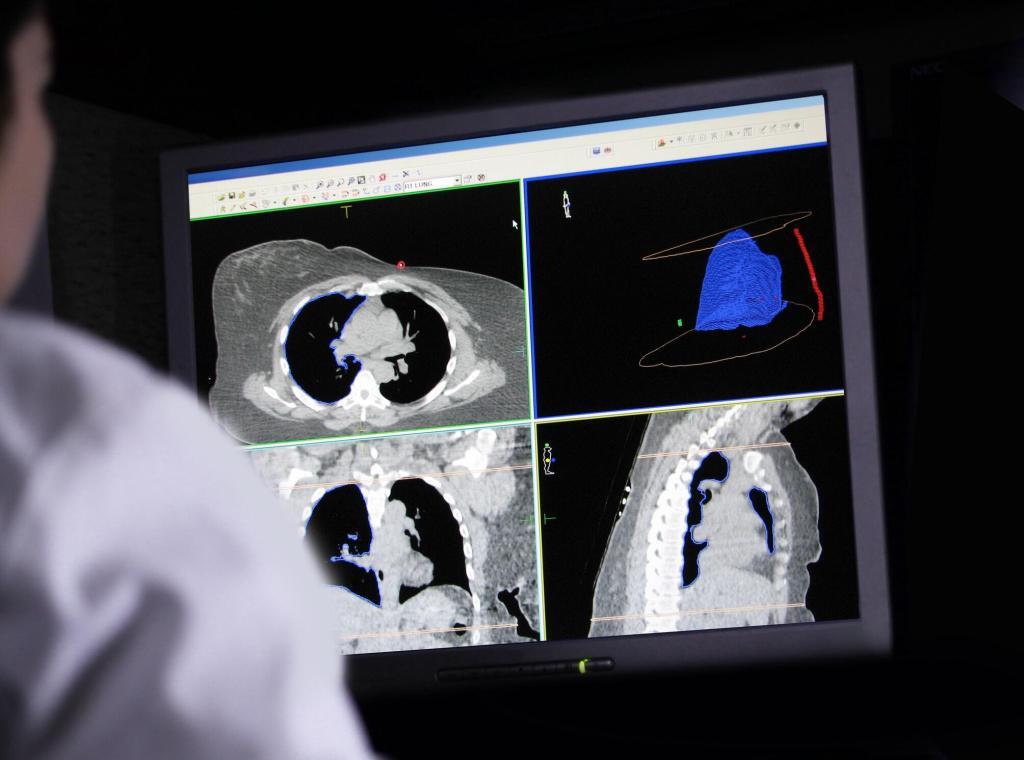

Modern drug discovery is going through a transformative period, one defined by smarter tools and an urgency to deliver safer, more effective medication. What once took decades can now be accelerated through data-driven insights, advanced biological engineering, and highly targeted design.
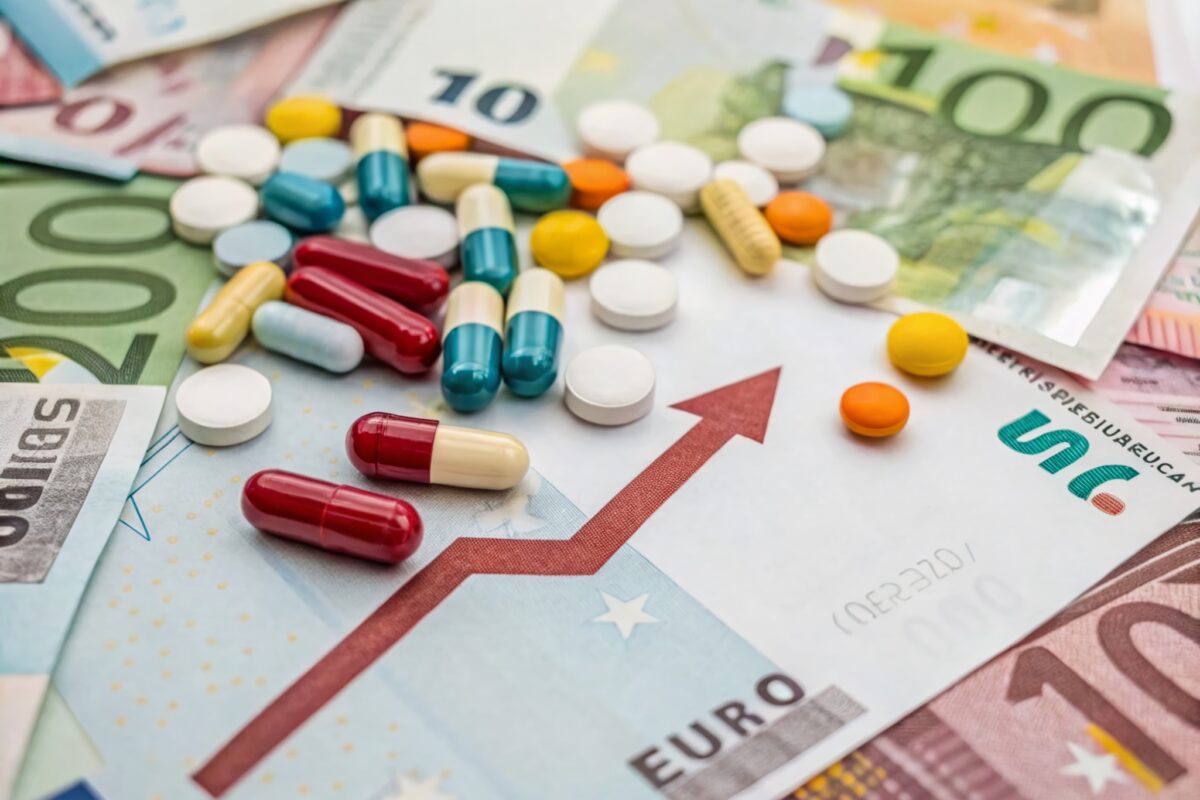
Currently, the global pharmaceutical market is valued at over $1645 billion, and it is making great progress in terms of developing new medications. The goal has always been the same: to relieve suffering, improve quality of life, and offer hope where options were once limited.
Below are a few major trends shaping how scientists and biotech companies are developing better medicines for the future.
1 AI-Driven Target Identification and Predictive Modelling
AI has become a central force in how teams identify drug targets and forecast molecule behaviour. The global AI in drug discovery market is expected to reach a market value of around $13 billion within the next seven years.
Machine learning (ML) algorithms can now analyse massive datasets from genomics, proteomics, and clinical records to reveal relationships that human researchers might miss. Alloy Therapeutics notes that AI and ML-designed libraries are now being integrated with advanced display platforms. This is helping to identify leads quickly with enhanced affinity, specificity, and developability.
What makes this trend especially powerful is its ability to shorten the early analytical phase. Instead of manually sifting through thousands of potential targets, AI models can quickly highlight the most promising ones. It can also predict off-target effects or toxicity issues long before a drug enters a lab. As a result, drug candidates move forward with more confidence and fewer costly surprises later in development.
2 Streamlined Bispecific Production
Advancements in antibody engineering have opened the door to medications that can act on two targets simultaneously. This is allowing for more sophisticated treatment strategies in cancer, autoimmune diseases, and viral infections.
The development of a reliable bispecific antibody platform has made it far easier for researchers to design molecules that bridge different cells with remarkable precision. What’s driving momentum in this field is the growing availability of specialised antibody discovery and bispecific antibody discovery services.
These are allowing companies to outsource complex design and validation steps to teams with refined expertise. More importantly, these tools enable streamlined bispecific production, turning once-complicated workflows into smooth, well-coordinated processes.
3 Personalised and Precision Therapeutics
Medicine is shifting away from the “one-size-fits-all” mindset. Today, genetic and molecular profiling allow clinicians to understand why two patients with the same diagnosis may respond very differently to the same treatment.
Drug developers, in turn, are now designing therapies tailored to specific biomarkers, making treatment both more effective and potentially safer.
Precision therapeutics are especially prominent in oncology, where targeted drugs can precisely inhibit the mutations driving a tumour’s growth. But similar approaches are expanding into neurology, immunology, and rare diseases.
This personalisation is helping patients avoid unnecessary side effects, while giving researchers clearer endpoints as they build therapies around well-defined biological signatures.
4 CRISPR and Gene-Editing-Enabled Drug Discovery
Globally, the gene editing market is valued at around $4.80 billion as of 2025. CRISPR technology, in particular, has reshaped what scientists can do in the lab. With the ability to modify DNA sequences with unprecedented accuracy, researchers can recreate disease models that truly reflect human biology.
CRISPR is also enabling functional genomics studies. With that knowledge, drug developers can prioritise targets that demonstrate a real biological impact.
Even more exciting, CRISPR’s therapeutic potential continues to grow as researchers explore ways to correct disease-causing mutations directly within the body. While such therapies are still emerging, the technology is already transforming the discovery phase by giving teams clearer maps of where interventions should occur.
FAQs
What is drug discovery and development?
Drug discovery and development is the process of finding and testing new medicines. Scientists study diseases to identify useful targets. They design compounds that may improve health. Each compound goes through lab tests and clinical trials. Safety and effectiveness are checked at every stage. The process is long but essential for modern treatment.
Why is drug discovery important?
Drug discovery is important because it creates new treatments for serious illnesses. It helps doctors manage conditions that lack effective options. Research also improves safety by reducing harmful side effects. New medicines support longer and healthier lives. Strong discovery programs prepare us for future health threats. Communities benefit from better medical choices.
Can new medicines improve quality of life?
New medicines can improve quality of life by reducing symptoms and supporting daily comfort. They help patients stay active longer. Some treatments slow disease progression and protect independence. Better safety reduces stress for families. Access to effective drugs strengthens long-term health. Many innovations offer hope for conditions once seen as untreatable.
The future of drug discovery is one defined by speed, precision, and meaningful outcomes for patients. Each of the trends shaping this field represents a step toward a world where treatments are more effective and also more personal and accessible.
As these innovations mature, they promise a drug development landscape that feels more intuitive and capable of meeting complex health challenges.
Disclaimer
The information presented in 4 Drug Discovery Trends Aiding the Development of Better Medicine is intended for educational and general informational purposes only. It should not be interpreted as medical advice, scientific guidance, or a substitute for professional consultation. While every effort has been made to ensure accuracy at the time of publication, developments in research, regulation, and technology may change the context or relevance of the material.
Open MedScience does not endorse specific products, companies, technologies, or services mentioned in this article. References to market values, scientific methods, or emerging innovations are provided for context and should not be used as the basis for clinical, regulatory, financial, or strategic decision-making. Readers should seek independent expert advice before acting on any information related to healthcare, pharmaceuticals, or biotechnology.
Open MedScience accepts no liability for any loss, damage, or consequences arising from reliance on the content of this article.
home » blog » medicine »