

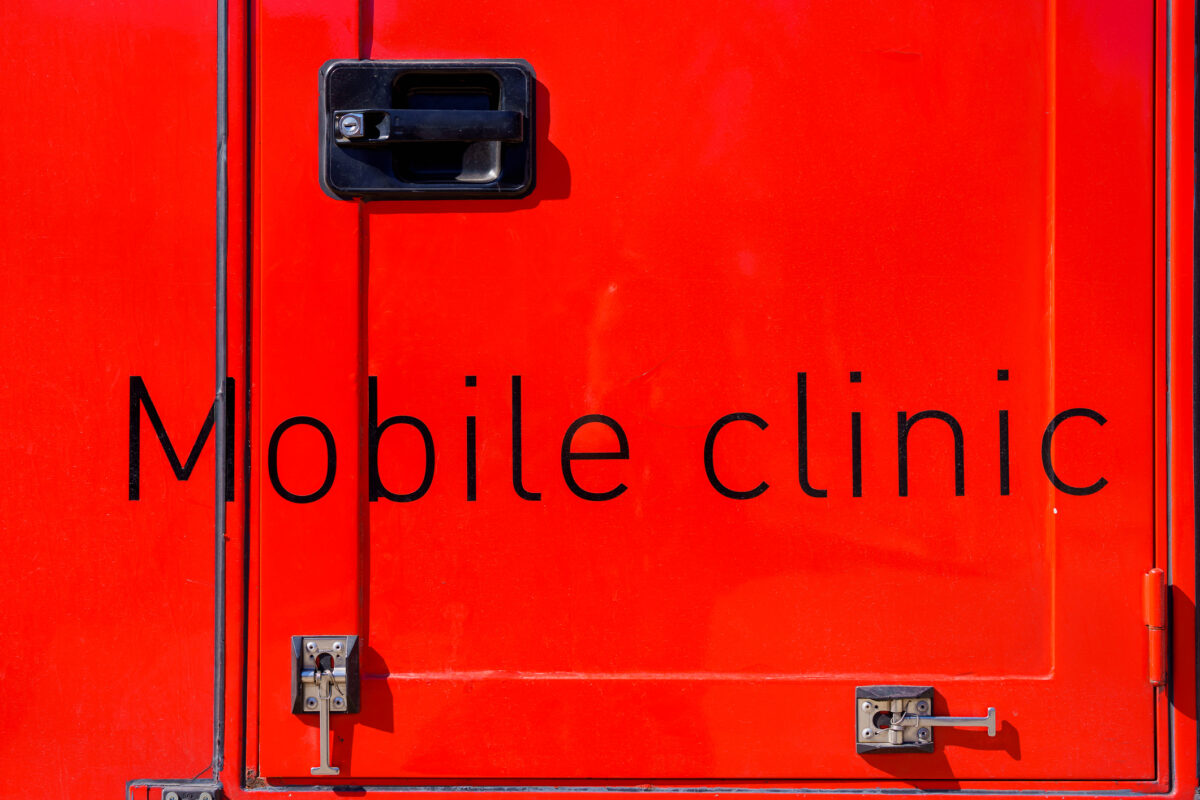
Curious how to deliver healthcare to more people without building costly brick-and-mortar hospitals?
Mobile medical vehicle services.
Mobile units are a gamechanger in healthcare. They can serve patients that other healthcare delivery models often leave behind.
And they actually work. Research supports the impact of mobile healthcare.
Here’s the real deal…
Millions of Americans experience barriers to accessing traditional healthcare. Transportation, work schedules, location, time, costs, and the hassle factor prevent patients from getting the care they need. Mobile medical units take healthcare directly to patients, helping to overcome these barriers.
In this article, you’ll learn:
- Why mobile medical units matter for patient care
- Top benefits patients experience from mobile units
- How mobile units impact health outcomes
- Cost-effective strategies driving mobile healthcare
Why Mobile Medical Units Matter
Millions of patients need care but cannot access it.
Mobile medical vehicle services fill this gap.
Think about it this way…
Imagine a patient in a rural community with no easy access to a specialty provider. Or a working parent without time off for healthcare appointments. Or an elderly patient struggling to get to and from the doctor.
Mobile medical units remove these barriers. Fully equipped medical units like those from Craftsmen Industries, Inc. bring the hospital to neighbourhoods, workplaces, schools, and community centres. Patients walk into a familiar environment. Receive care. Return home.
Pretty powerful, right?
The Top Benefits Patients Experience
Mobile medical units provide tangible benefits that patients experience. They show up in care access, patient engagement, and health outcomes.
Here are the primary advantages patients notice:
Convenient Access to Care
This is the big one.
When medical care comes to patients, everything changes.
The typical barriers to healthcare access fall away. Patients don’t need to:
- Drive long distances to clinics
- Take time off work for appointments
- Find childcare for the whole family
- Navigate unfamiliar hospital systems
Mobile units park in familiar locations. Patients recognise the space. Feel more comfortable. Show up for appointments.
Shorter Wait Times
Who has time for hours in a waiting room?
Mobile medical vehicle services provide much shorter wait times than traditional care. Here’s why:
- Mobile clinics focus on specific services and populations
- The streamlined approach reduces red tape
- Patients spend less time waiting, more time receiving care
Reduced wait times are a major patient satisfaction driver.
Preventive Care That Prevents Problems
Here’s one many people don’t realise…
Mobile medical units do fantastic work in preventive care. They provide:
- Screenings
- Vaccinations
- Health education
- Chronic disease management
This type of care prevents small problems from becoming big emergencies.
Mobile units provide a 36:1 ROI by reducing unnecessary emergency room visits and delivering preventive services.
Trust With Communities
Mobile units do one special thing.
They build trust.
Mobile clinics that show up consistently in the same community develop relationships with patients. Patients who are wary of traditional medical settings often feel more comfortable with friendly faces in a familiar location.
Community trust matters for many populations, including:
- Immigrant communities
- Homeless populations
- People with negative past experiences with healthcare
- Those who distrust large institutions
Trust leads to better patient engagement. Better patient engagement leads to better health outcomes.
How These Units Improve Health Outcomes
Let’s address the million-dollar question here…
Do mobile medical vehicle services actually improve health?
The answer is a resounding yes.
Mobile medical vehicles improve health in many ways. The big ones include:
Managing Chronic Conditions
Millions of patients live with chronic conditions such as diabetes, hypertension, asthma, etc.
These diseases require ongoing management. Regular checkups, medication adjustments, monitoring, and more. Without care, these conditions quickly spiral out of control.
Mobile medical units make the management possible for patients who would otherwise go without care.
When patients can easily access their healthcare providers, they stay on top of their health conditions.
Research shows that patients who receive mobile healthcare have better medication adherence and experience fewer complications.
Reduced ER Visits
Emergency rooms are a very expensive way to receive healthcare.
Mobile medical units reduce preventable ER visits in two ways:
- Provide preventive services
- Help manage chronic conditions
This benefits everyone. Patients receive better care. ERs focus on true emergencies.
One mobile asthma program cut ER visits by 52% compared to 13% for patients who received standard care. That’s a big difference.
Access for Underserved Populations
Mobile medical units often reach some of the most medically underserved communities.
Mobile medical units can:
- Reach rural areas with limited hospital access
- Serve urban neighbourhoods often ignored by traditional healthcare
- Go where the need is greatest
Mobile units can adapt services to community needs. One day, they can provide dental care. The next da,y they can offer vision screenings.
Disease Management Resources
The best part of mobile medical vehicle services? Flexibility.
Mobile healthcare is constantly adapting to community needs.
Seasonal illnesses drive demand for flu shots. Community outreach and health education change based on emerging needs. Mobile units move quickly.
What Makes Mobile Healthcare Cost-Effective
Mobile medical units are not only good for patients. They also make great financial sense.
Key reasons:
Lower Infrastructure Costs
Mobile medical vehicles cost a fraction of brick-and-mortar hospitals.
Organisations can get mobile medical vehicle services up and running without massive construction projects.
Mobile medical units can change routes and focus areas based on patient needs. Adapt and pivot to save money and meet patients where they are.
Prevention is a Billion Dollar Industry
Prevention is much cheaper than treatment.
Find high blood pressure early. You prevent strokes and heart attacks.
Identify diabetes risk early. You avoid complications down the road.
Offer vaccinations, stop an outbreak before it starts.
Mobile medical vehicles help prevent costly complications.
Efficient Resource Allocation
Mobile medical units deploy resources strategically.
They target underserved areas with the greatest need.
The mobile unit with EKG services shows up in your community. Patients with undiagnosed heart conditions finally get testing and treatment.
Mobile providers have the time and flexibility to deliver truly effective care.
Finishing Up
Mobile medical vehicle services have revolutionised healthcare delivery for patients.
Mobile medical vehicles remove barriers, increase access, and drive health benefits.
Patients experience clear advantages from mobile healthcare delivery:
- Convenient care that comes to them
- Shorter wait times and more positive experiences
- Preventive services that identify problems early
- Trust building within communities
- Cost-effective care delivery
For many patients who face barriers to traditional healthcare, mobile medical units are often the difference between receiving care and going without.
The future of healthcare is mobile. That’s good news for patients.
Disclaimer
The information presented in this article is intended for general educational purposes only. It should not be taken as medical advice, a clinical recommendation, or a substitute for consultation with qualified healthcare professionals. Readers should always seek guidance from an appropriate medical practitioner regarding any specific health concerns, treatment options, or medical conditions.
While every effort has been made to ensure the accuracy and relevance of the content at the time of publication, healthcare practices, technologies, and research findings may change. Open MedScience does not guarantee that all information is current or complete and accepts no liability for any actions taken based on the material provided.
Any examples, statistics, or case descriptions included in this article are for illustrative purposes and may not apply to all clinical settings or patient situations. References to mobile medical services do not constitute endorsement of any specific provider, organisation, or commercial product.
By reading this article, you acknowledge that Open MedScience is not responsible for any loss, harm, or outcomes arising from the interpretation or use of the information contained herein. For personalised advice or medical support, please consult a qualified healthcare professional.
home » blog » health matters »