

Living with bipolar disorder doesn’t have to mean putting your life on hold.
The good news is that with effective treatment you can control your symptoms, stabilize your mood and return to enjoying life’s little pleasures. Bipolar treatment options for living your best life have dramatically improved in the past ten years.
Better still?
There is no magic formula for it. Many people achieve good symptom control with an individualised combination of medication, psychological therapy and healthy lifestyle measures..
Here’s everything you need to know…
Here’s what’s covered:
- What Is Bipolar Disorder?
- Why Treatment Matters
- The Best Bipolar Disorder Treatment Options
- Daily Habits That Support Recovery
What Is Bipolar Disorder?
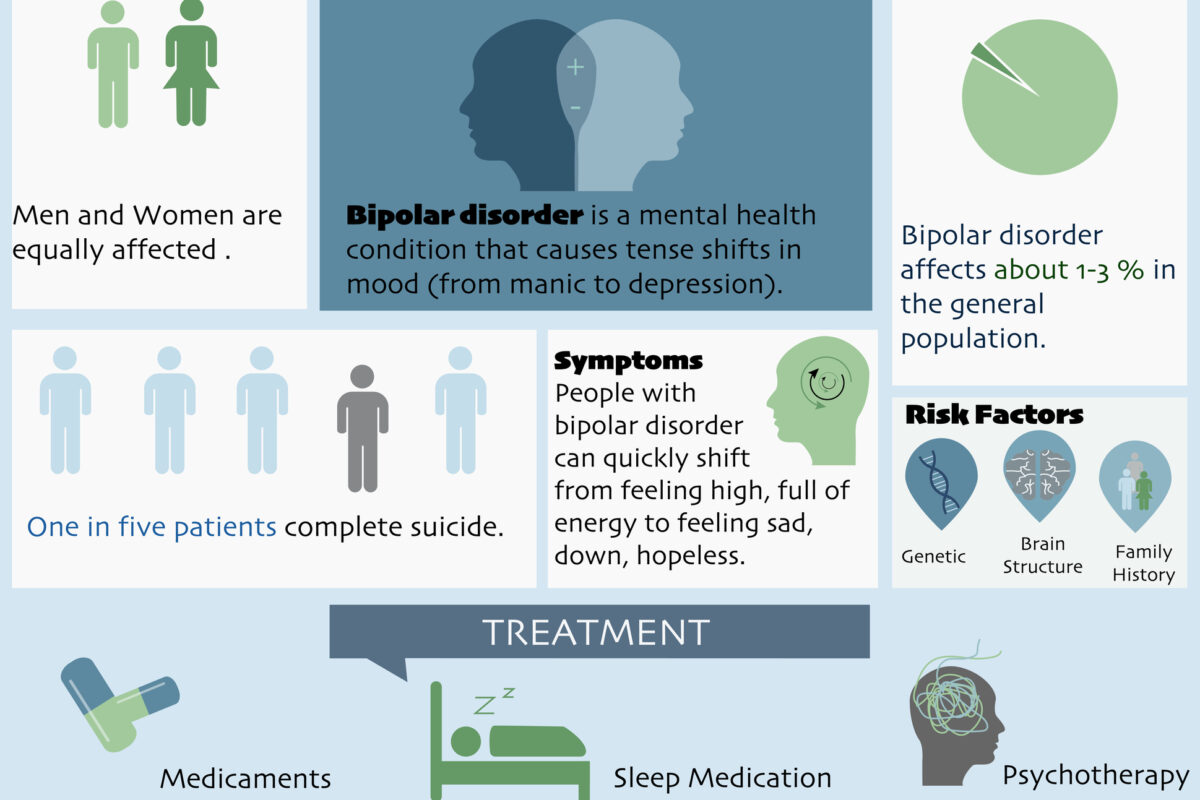
Bipolar disorder is characterized by periods of elation and depression.
These shifts aren’t just bad days…
They can affect:
- Sleep patterns
- Energy levels
- Decision-making
- Relationships
- Daily functioning
The National Institute of Mental Health (NIMH) reports that 2.8% of U.S. adults experienced bipolar disorder within the last year. That means millions of people who have faced (and are facing) the same things you (or your loved one) are right now.
Pretty common, right?
The best part is that bipolar disorder is very treatable. Once you receive care from a specialized treatment center for bipolar disorder, most individuals are able to stabilize their mood and live happy and productive lives. Finding the right combination of bipolar disorder treatment options for living your best life is key.
Why Treatment Matters
Bipolar disorder is a lifelong condition. But without proper treatment, episodes tend to:
- Get more frequent
- Become more severe
- Last longer than they should
That’s the bad news.
Here is some good news: When treatment is sought early and followed consistently, the outlook is much improved. Individuals experience fewer relapses, an enhanced quality of life and healthier relationships with those around them.
Globally, bipolar disorder affects 40 million people worldwide. But far too many people suffer for years without getting the care they need. Don’t let bipolar disorder take years of your life. Get professional help now.
The Best Bipolar Disorder Treatment Options
Treatment often involves a combination of therapies. No single treatment works for everyone, so here’s an overview of what’s currently working best.
Mood Stabilizers
Mood stabilizers are the cornerstone of bipolar treatment.
Medications level out the highs and lows. Lithium is probably the most famous and has been used for years to treat mania and prevent recurrence.
Other common mood stabilizers include:
- Valproate
- Lamotrigine
- Carbamazepine
Your doctor will help you find the medication (or combination) that works for your symptoms. Sometimes it can take a while to find the right dose. Patience is a virtue.
Antipsychotic Medications
Sometimes mood stabilizers alone aren’t enough.
Antipsychotics are where things come in. They help with extreme manic or mixed episodes when you experience psychosis, racing thoughts, paranoia, etc.
Common options include:
- Olanzapine
- Quetiapine
- Risperidone
- Aripiprazole
Note: While antipsychotics are frequently prescribed for short periods of time during acute episodes, many individuals require long-term antipsychotic therapy as part of their maintenance plan.
Cognitive Behavioral Therapy (CBT)
CBT is one of the most studied and effective therapies for bipolar disorder.
Here’s how it works…
A therapist guides you in identifying negative thinking patterns and replacing them with healthy ones. You learn coping skills that teach you:
- Manage stress triggers
- Recognize early warning signs
- Build better routines
- Handle setbacks without spiraling
CBT has been shown to benefit many people with bipolar disorder, particularly when used alongside medication. It provides you with life-long skills.
Family-Focused Therapy
Bipolar disorder doesn’t just affect one person…
Their disease impacts everyone around them. Family-oriented therapy incorporates family members into treatment so that they can:
- Understand the condition
- Spot warning signs of relapse
- Improve communication
- Provide the right kind of support
It can be particularly beneficial for adolescents and young adults who live at home. It creates a thicker safety net around the individual receiving treatment.
Interpersonal and Social Rhythm Therapy (IPSRT)
This is one of the more underrated bipolar disorder treatment options for optimal living.
IPSRT helps you regulate your daily routines — such as sleep, eating, and social activities. This is because irregularities in your daily rhythms may cause mood episodes.
By keeping a consistent schedule, you reduce the chances of those triggers showing up.
Residential or Inpatient Care
For severe episodes, residential or inpatient care might be needed.
This doesn’t mean you’ve failed. It means you’re taking steps toward recovery. Here’s what residential programs can provide:
- 24/7 medical supervision
- Intensive therapy sessions
- A safe, structured environment
- Medication adjustments under expert care
Clients only need this level of care in a time of crisis. They are stabilized and then return to outpatient care with a much stronger base.
Daily Habits That Support Recovery
Treatment is more than medication and therapy.
Your daily lifestyle choices have an enormous impact on staying symptom-free. Developing healthy habits is one of the wisest investments you can make for long-term stability.
Sleep is everything. Lack of sleep is one of the largest factors of triggering manic episodes. Get 7-9 hours nightly and try to go to bed/wake up at the same time each day, even on the weekends.
Workout regularly. Research indicates that daily exercise helps alleviate depression and anxiety while improving your mood in general. Whether you walk, run, or do yoga, just stay consistent!
Limit alcohol intake. Avoid recreational drugs. They interact with medication and can cause episodes. Both contribute to depression in the long run and you don’t need that!
Keep a mood diary. Tracking your moods on a basic mood journal allows you to identify patterns and recognize warning signs sooner. You can then make small adjustments to your treatment plan before you get overwhelmed.
Find a support system. This can include friends, family, support groups, and/or therapists. You are not alone in this — trying to recover by yourself is one of the top mistakes made by people.
Eat balanced meals. Food has a greater influence on your mood than you may realize. Eat plenty of whole foods, lean proteins, and omega-3s for good brain health.
Final Thoughts
Bipolar disorder is a serious condition, but it doesn’t have to define your life.
Most people with the right mix of medicine, therapy, and healthy daily routines can live fulfilling lives while keeping their symptoms in check. Here’s how:
- Get diagnosed by a qualified professional
- Stick to your treatment plan (even when you feel great)
- Communicate openly with your care team
- Make lifestyle changes that support stability
- Lean on your support network when things get tough
It’s hard work and it doesn’t happen overnight. But it is absolutely worth it. You get your life back and that’s priceless.
Suffering from bipolar disorder? Don’t wait another second. Contact a professional now and begin creating a workable treatment plan.
Disclaimer: This article is intended for general educational and informational purposes only and should not be considered medical advice, diagnosis, or treatment. Bipolar disorder is a complex mental health condition that requires assessment and ongoing care by a qualified healthcare professional. Never start, stop, or change prescribed medication without consulting your doctor or mental health specialist. If you or someone you know is experiencing a mental health crisis or has thoughts of self-harm or suicide, seek immediate help from your local emergency services or a qualified mental health crisis service.
home » blog » health and wellbeing »