
It is easy to assume that if you feel healthy, you are healthy. Most of us use symptoms as a signal to take action. If something hurts, you book an appointment. If you are tired for weeks, you start paying attention. If a new lump appears, you worry and you call.
But cancer does not always play by those rules.
Many cancers develop quietly for months or years before they cause obvious symptoms. By the time you feel something is wrong, the disease may be harder to treat. That is why cancer screening matters. It is not designed for people who already feel sick. It is designed for people who feel fine, so cancers can be found earlier, when treatment is often simpler, more effective, and more likely to lead to a full recovery.
In this article, we will break down the real cancer screening importance, how early cancer detection works, what screenings do and do not do, and how to build a cancer screening plan that fits your risk factors and your life.
What is cancer screening?
Cancer screening means testing for cancer before symptoms appear. Screening looks for early signs of cancer or pre-cancer changes that could become cancer later.
The goal of cancer screening is not to prove you are “perfectly healthy.” The goal is to find:
- Cancer early, when it is often more treatable
- Pre-cancer, when it can sometimes be treated before it becomes cancer at all
That second point is a big reason screening saves lives. Some screenings do not just detect cancer earlier. They can help prevent cancer.
Why screening is so important even when you feel fine
1) Early cancers often have no symptoms
A common misconception is that cancer always causes noticeable warning signs. In reality, early-stage cancer can be silent. You can have normal energy, normal appetite, and no pain.
Symptoms tend to appear later, when a tumor grows large enough to affect nearby tissues or when cancer spreads. That is why relying on symptoms alone is risky.
Screening gives you a way to catch cancer early, before your body forces the issue.
2) Early cancer detection can mean easier treatment
Early cancer detection often leads to:
- More treatment options
- Less aggressive treatment in some cases
- Lower chance of needing extensive surgery or intensive chemotherapy
- Better overall outcomes
No screening offers a guarantee. But earlier detection can change the entire direction of care.
3) Some screenings can stop cancer before it starts
Certain screening tests can find pre-cancer changes. Treating these changes early can prevent cancer from developing.
This is one of the most powerful ideas in preventive health screenings: sometimes you are not just catching cancer earlier, you are preventing it.
4) Screening helps you make informed decisions
When you know your screening status, you can make better choices:
- You can follow up quickly if a test is abnormal
- You can take steps to reduce cancer risk if you have risk factors
- You can update your plan if you have a family history or hereditary cancer risk concerns
Screening is not about living in fear. It is about having information that helps you act early.
Screening vs. diagnosis: an important difference
A cancer screening test is not the same as a diagnostic test.
- Screening is done when you have no symptoms. It helps identify potential concerns.
- Diagnostic testing happens when a screening result is abnormal or when symptoms exist. It confirms what is actually going on.
This matters because an abnormal screening result does not always mean cancer. Many abnormal results turn out to be benign. Still, they should be taken seriously and followed up properly.
One of the biggest problems in real life is not screening itself, but incomplete follow-up. Screening only works when the next steps happen on time.
The biggest barriers that keep people from getting screened
Most people do not avoid cancer screening because they do not care. They avoid it because of real, human obstacles.
“I feel fine.”
This is the most common reason. It is also the exact reason screening exists.
“I’m afraid of what they’ll find.”
This is understandable. But there is a harsh reality here: not knowing does not protect you. If something is there, finding it earlier often gives you more options and better odds.
“I don’t know what I’m supposed to get.”
Cancer screening recommendations can feel confusing. They can also change with age, risk factors, and family history.
A personalized plan helps, especially if you have concerns about hereditary cancer risk.
“I’m too busy.”
Many preventive health screenings take less time than people expect. The bigger time cost often comes from delaying, then dealing with a bigger issue later.
“I had a bad experience.”
Some screenings can be uncomfortable or stressful. If this is your situation, talk to a provider about options, comfort measures, and scheduling support. You are not the only person who feels that way, and you deserve care that respects your concerns.
What makes someone higher risk?
A big part of cancer risk assessment is understanding whether you are average risk or higher risk. Screening guidelines vary based on risk.
Common cancer risk factors include:
- A family history of certain cancers
- A relative diagnosed at a younger age
- Known hereditary cancer risk in the family
- Personal history of pre-cancer findings (like polyps)
- Smoking history
- Certain infections or chronic inflammatory conditions
- Prior radiation exposure
- Lifestyle factors like alcohol intake, physical activity, and body weight
If you have concerns about hereditary cancer risk, a genetic risk assessment may be appropriate. Genetic testing can sometimes help clarify risk and guide earlier or more frequent screening.
Screening is a key part of a personalized cancer prevention plan
A personalized cancer prevention plan brings structure to what can otherwise feel like random advice.
Instead of “do all the healthy things,” it helps you focus on:
- Which screenings you need and when
- Which cancer prevention strategies apply to your risk factors
- Whether genetic testing or genomic screening might be relevant
- How to follow through without letting life get in the way
Prevention is not one action. It is a system. Screening is a major piece of that system.
Common types of preventive health screenings and why they matter
This is not medical advice, and screening decisions should be made with your healthcare provider. But it helps to understand the purpose behind common screening categories.
Breast cancer screening
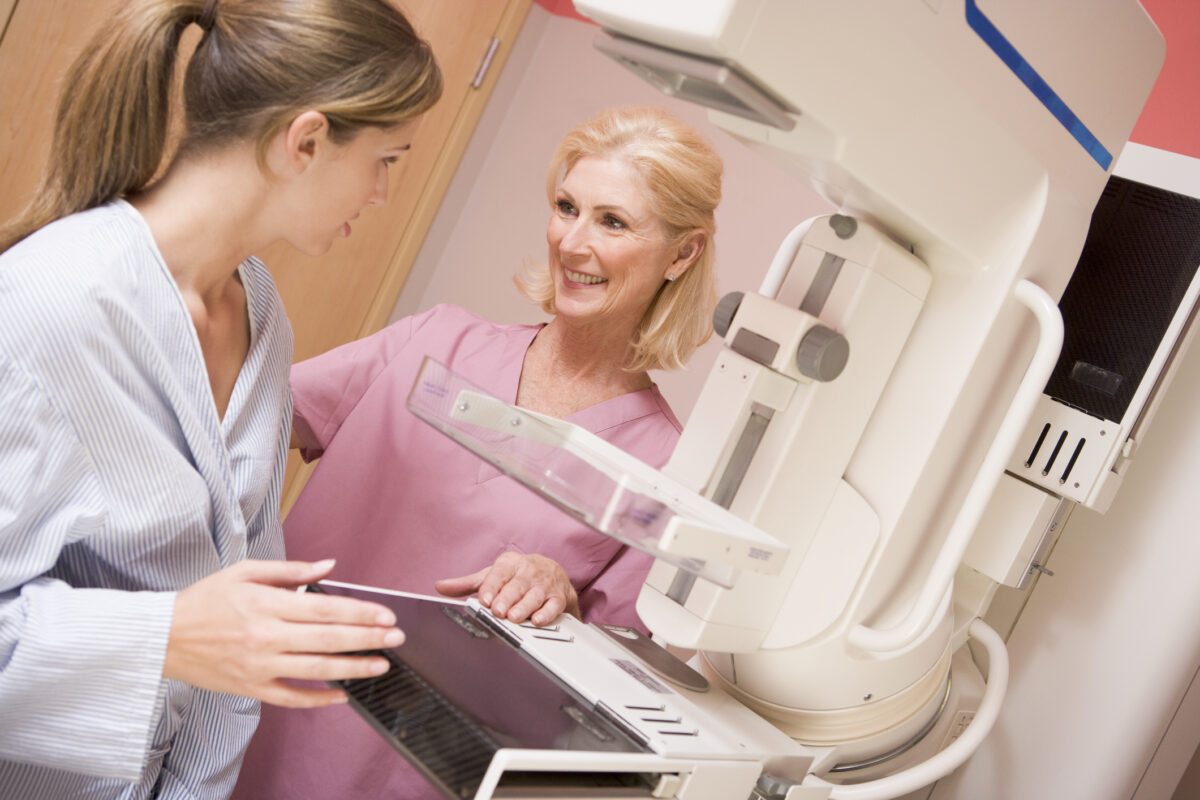
Breast cancer screening aims to detect cancer early, sometimes before a lump can be felt.
Why it matters: early detection can lead to less extensive treatment and improved outcomes.
People with higher risk, including those with hereditary cancer risk, may need a different screening schedule or additional imaging. This is where a genetic risk assessment can change the plan.
Cervical cancer screening
Cervical screening looks for changes that can lead to cancer.
Why it matters: it can identify pre-cancer changes that can be treated before cancer develops.
This is a strong example of screening that can truly prevent cancer.
Colorectal cancer screening
Colorectal screening can detect cancer early and can also find pre-cancer polyps.
Why it matters: removing polyps can reduce the chance they become cancer later. It is both early detection and prevention in one.
Lung cancer screening (for eligible people)
Lung cancer screening is typically considered for individuals with certain smoking histories.
Why it matters: lung cancer is often diagnosed later because early symptoms can be vague or absent. Screening can help detect it earlier for those at higher risk.
Skin cancer checks
Skin screenings focus on identifying suspicious moles or lesions early.
Why it matters: some skin cancers can grow and spread quickly, and early detection can make treatment far simpler.
Why screening alone is not enough (but still essential)
Cancer screening is powerful, but it is not magic. Screening works best as part of a broader cancer prevention strategy that includes:
- Reducing tobacco exposure
- Keeping up with preventive care programs
- Managing alcohol intake
- Improving nutrition and physical activity
- Staying on top of follow-up care and referrals
- Understanding hereditary cancer risk if it applies to you
A smart approach combines prevention and early disease detection. That is how you move from vague intentions to real protection.
The real-life benefits of early diagnosis
Early diagnosis benefits are not just statistics. They affect real decisions and real lives.
Earlier diagnosis often means:
- Smaller tumors at detection
- More localized disease
- More straightforward treatment options
- Better ability to consider second opinions and specialized care
- Less disruption to work and family life compared to advanced treatment
Even when treatment is needed, earlier treatment can feel more manageable than a crisis discovered late.
How to build a screening routine you can stick with
A lot of people know screening is important but struggle with consistency. The best plan is one you can actually follow.
Here are practical ways to make it easier.
1) Tie screenings to your birthday or a recurring season
For example: “Every spring I schedule my annual physical and confirm my screening schedule.”
2) Keep a simple screening record
Track:
- The test name
- Date completed
- Results
- Recommended next date
- Any follow-up needed
This helps prevent gaps, especially if you change jobs, move, or switch doctors.
3) Don’t leave follow-up to chance
If a screening result is abnormal, ask:
- What is the next step?
- When should it happen?
- Who schedules it?
- Who calls me with results?
- What if I do not hear back?
Polite persistence saves lives.
4) Update your plan when life changes
Screening is not static. Update your plan if:
- A relative is diagnosed with cancer
- You learn new family health history
- You have a new health condition
- You reach a new age milestone for screening
- You consider genetic testing due to hereditary cancer risk
Genetic testing and screening: how they connect
Many people are curious about genetic testing but unsure what it changes.
A genetic risk assessment can help determine if genetic testing is appropriate. If results show hereditary cancer risk, your screening plan may change in meaningful ways. You may start screening earlier, screen more frequently, or add specific screening methods depending on the gene and cancer type involved.
Genomics in healthcare is not about predicting your future with certainty. It is about identifying higher-risk situations early so you and your provider can make smarter screening decisions.
This is the practical side of genetics and disease prevention: using information to choose the best preventive health screenings for you.
What to do if you are behind on screenings
If you are overdue, you are not alone. People fall behind for many reasons: cost, caregiving, work schedules, anxiety, or simply not knowing what to do.
Start with one step:
- Schedule an annual visit or preventive appointment
- Ask for a clear list of which cancer screening tests you need now
- Make a plan for the next two screenings, not all of them at once
- Consider a cancer risk assessment if you have multiple risk factors
- Ask about genetic risk assessment if family history raises questions
You do not need to catch up overnight. You just need to start.
The bottom line: screening is for people who feel fine
Cancer screening matters because it is one of the few tools that can identify cancer early, sometimes before symptoms appear, and in some cases prevent cancer by catching pre-cancer changes.
If you want to reduce cancer risk, screening is not optional background noise. It is a core part of a proactive health plan.
The most important takeaway is simple: feeling fine is not the same as being fully checked. Preventive health screenings exist to protect your future self, not to respond to your current symptoms.
If you are unsure where to begin, start with a cancer risk assessment conversation, confirm which screenings you are due for, and build a schedule you can actually follow. Early detection changes everything, and the best time to act is when you still feel well.
Disclaimer
The information presented in this article, Cancer Screening Importance & Why Screening Saves Lives Even When You Feel Fine, is provided for general educational and informational purposes only. It is not intended to replace professional medical advice, diagnosis, or treatment.
Open MedScience does not provide personal medical advice. Cancer screening recommendations vary according to age, sex, personal medical history, family history, genetic background, lifestyle factors, and regional clinical guidelines. Decisions regarding cancer screening, genetic testing, cancer risk assessment, or preventive health strategies should always be made in consultation with a qualified healthcare professional who can assess your individual circumstances.
Nothing in this article should be interpreted as a recommendation for a specific screening test, schedule, or medical intervention. Screening tests carry potential benefits as well as risks, including false-positive results, false-negative results, overdiagnosis, anxiety, and the need for additional procedures. A healthcare provider can help you weigh these factors appropriately.
If you are experiencing symptoms, new or concerning changes in your health, or believe you may be at increased risk of cancer, seek medical advice promptly. Do not delay or disregard professional medical guidance based on information contained in this publication.
While every effort is made to ensure accuracy at the time of publication, medical knowledge and screening guidelines evolve. Open MedScience makes no representations or warranties regarding completeness, accuracy, or applicability to any individual reader.
By reading this article, you acknowledge that responsibility for health decisions rests with you and your healthcare provider.
home » blog » health and wellbeing »