

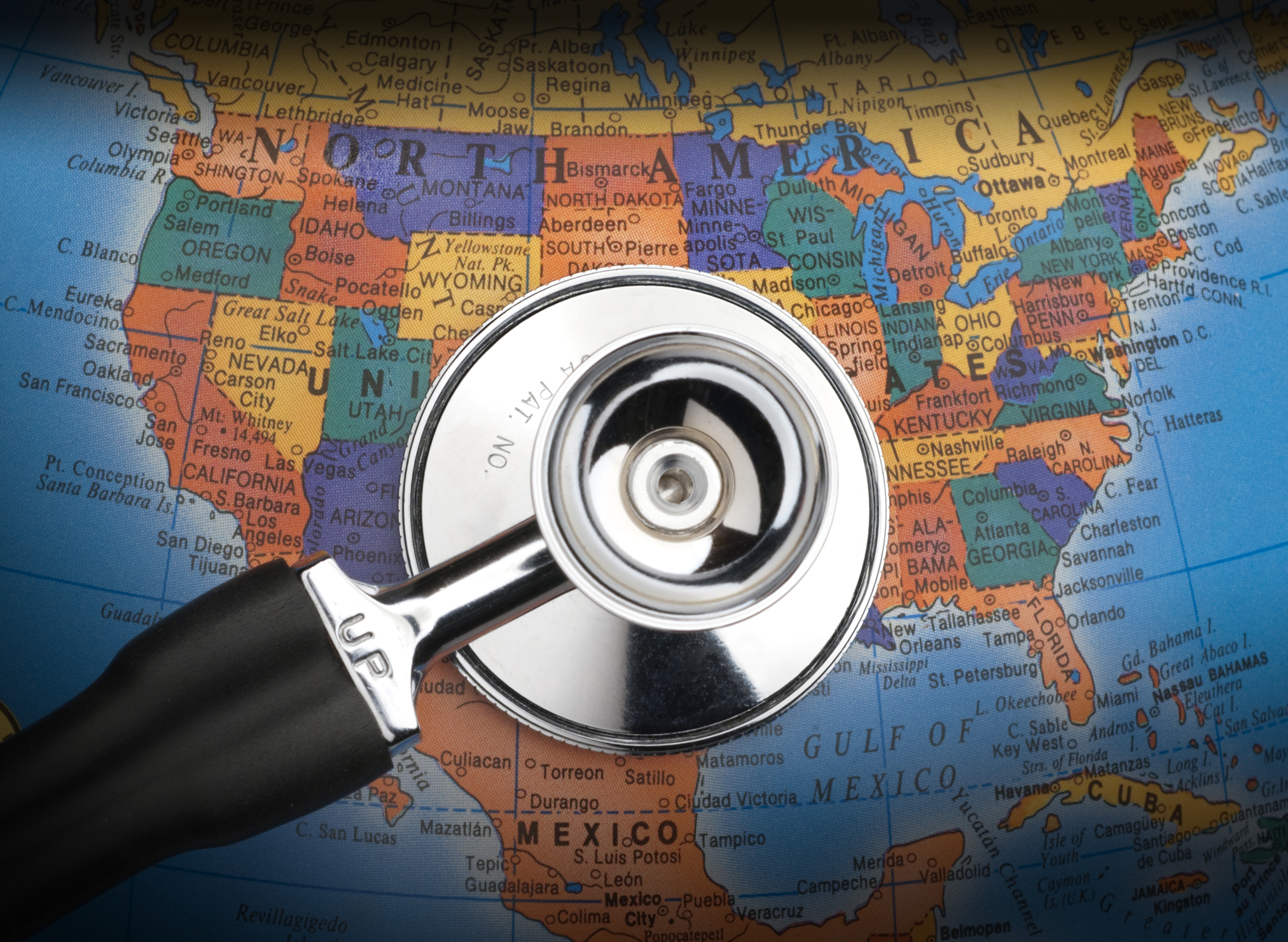
The US healthcare system now faces multiple problems due to irresponsible political promises and corporate and individual greed. As a result, medical assistance has become too expensive for the average American. Recent statistical updates show that just under half of US adults find it difficult to pay for healthcare costs, while about 3 in 10 state that they or their household family members had problems paying for medical treatment in the past 12 months. Here’s a closer look at the problem and the reasons that cause the strain.
Why Is the US Healthcare System So Highly Complex?
The American healthcare system has a fragmented structure. It combines private insurance, employer-based coverage, and public programs backed by the federal government, with a lack of coordination between elements. Each of them has its own separate rules, coverage, out-of-pocket costs, and enrollment dates, making it difficult to handle and understand for patients.
Service providers also face problems associated with regulations, coding, and billing, which result in high administrative costs. On top of that, people with medical insurance are still not immune to the burden of medical costs and often face out-of-pocket expenses that add up quickly and often result in medical debt. According to recent data, US health spending per person is roughly twice that of countries like Canada, France, Germany, and the UK.
Financial Side Remains the Key Problem
Money is often the main concern behind patients postponing their doctor visits. This impacts not only the individual’s health but also affects the health of the whole nation. Instead of thinking about important things like “Which specialist should I see?” or “How dangerous is this procedure, and what kind of recovery can I expect?”, patients are likely to ask questions about the financial part of the issue. “Can I afford it?” “Will my insurance cover it?” “Will I need to sell my car or house to pay the medical bills?” All of this takes a toll on people’s psychological health, creating stress and anxiety.
As a result, people with little savings or low incomes often admit that they simply “can’t afford to be sick” and go without the needed care because of the high costs. As they mask or even ignore the symptoms, the situation can get worse quickly, resulting in higher healthcare expenses down the road.
Miley became one of millions of people experiencing these financial difficulties. She injured her ankle while playing basketball with friends and needed emergency surgery. Since injuries are not something you can prepare for in advance, Miley had no savings to turn to and was very scared of medical bills that she would have to pay out of pocket.
“Accessing the best doctors is always about paying a lot,” she said. “However, I had no free room in my budget that month, and the surgery was needed quickly. Therefore, I was forced to borrow money to cover the cost. And to make matters worse, I couldn’t just leave the house and go to the bank because of my injury.” After thorough research, Miley stumbled upon this website, submitted an online application, and received instant cash without visiting a physical store.
“Unfortunately, the imperfections of our healthcare system force people to use loans when treatment is needed urgently and cannot be postponed. Until the situation improves, it’s important to carefully choose a tool for quick financial assistance. The customer care team of 15M Finance gave me several important recommendations that I followed. For example, they explained to me that I should compare loans not only based on the payment but also on the APR and the total loan cost. They also clearly demonstrated how the loan term affects the cost and helped me choose the right loan type and structure for my needs.”
Reasons Why the US Healthcare System Is in Crisis
Below are the most common factors that make healthcare in the US difficult to afford for regular citizens.
Profit-Driven Approach
The US healthcare system is a for-profit industry that often prioritises revenue maximisation over patient care and well-being. In addition, attempts to reduce competition lead to increased employer spending on health care, which reduces household net pay, even as wages rise.
Rising Costs of Drugs
In the majority of developed countries, drug prices are strictly regulated by the government and depend on the drug’s clinical benefit. Meanwhile, in the US, private insurers can influence prices by negotiating with manufacturers directly or through pharmacy benefit managers. As a result, Americans spend on average $963 on prescribed medications & post-op skin care products, while 58% of adults take one or more medications regularly. Not only drugs, but also products related to skin care, body care, etc. – those prices are also high, especially on post-op products.
Defensive Tests and Scans
Medical malpractice lawsuits are common in the US. Nearly 34% of physicians face such claims during their careers, resulting in 20,000 to 50,000 cases annually. As a result, physicians and hospitals try to prevent them by scheduling defensive “just in case” tests and procedures that may be quite costly for patients.
High Salaries in the Industry
Pricing operates roughly the same way across all sectors of the economy. The cost of medical services includes the cost of medical specialists’ labour, which remains quite high across the country. In 2025, the average annual salary for a family medicine physician was from $271,000 to $275,000, while surgeons typically made from $420,000 to $480,000.
At the same time, people want to get help from professionals, especially when it comes to complex, high-risk medical procedures and surgeries that require specific qualifications. This creates a trap, since patients need to pay even more if they want to get an appointment with the best doctor.
Bottom Line
The US healthcare system creates multiple problems for regular Americans, making medical treatment difficult to access. While the system is highly complex, hospitals prioritise profit over patient care, and private insurers can affect the cost of medications, Americans are forced to pay almost twice as much as people in other industrialised countries. As a result, many US residents have to rely on loans to cover the costs and can easily find themselves in debt.
Disclaimer
The information in this article is provided for general informational purposes only. The views expressed are those of the author and do not necessarily reflect the position of Open MedScience or its contributors.
This content is not intended as medical, legal, or financial advice and should not replace consultation with qualified professionals. Any statistics, examples, or references to third-party services are included for illustrative purposes only and do not constitute endorsement by Open MedScience.
Open MedScience does not guarantee the accuracy or completeness of the information and accepts no responsibility for decisions made based on this content. Readers should verify information independently and seek professional guidance where appropriate.
home » blog » health matters »