

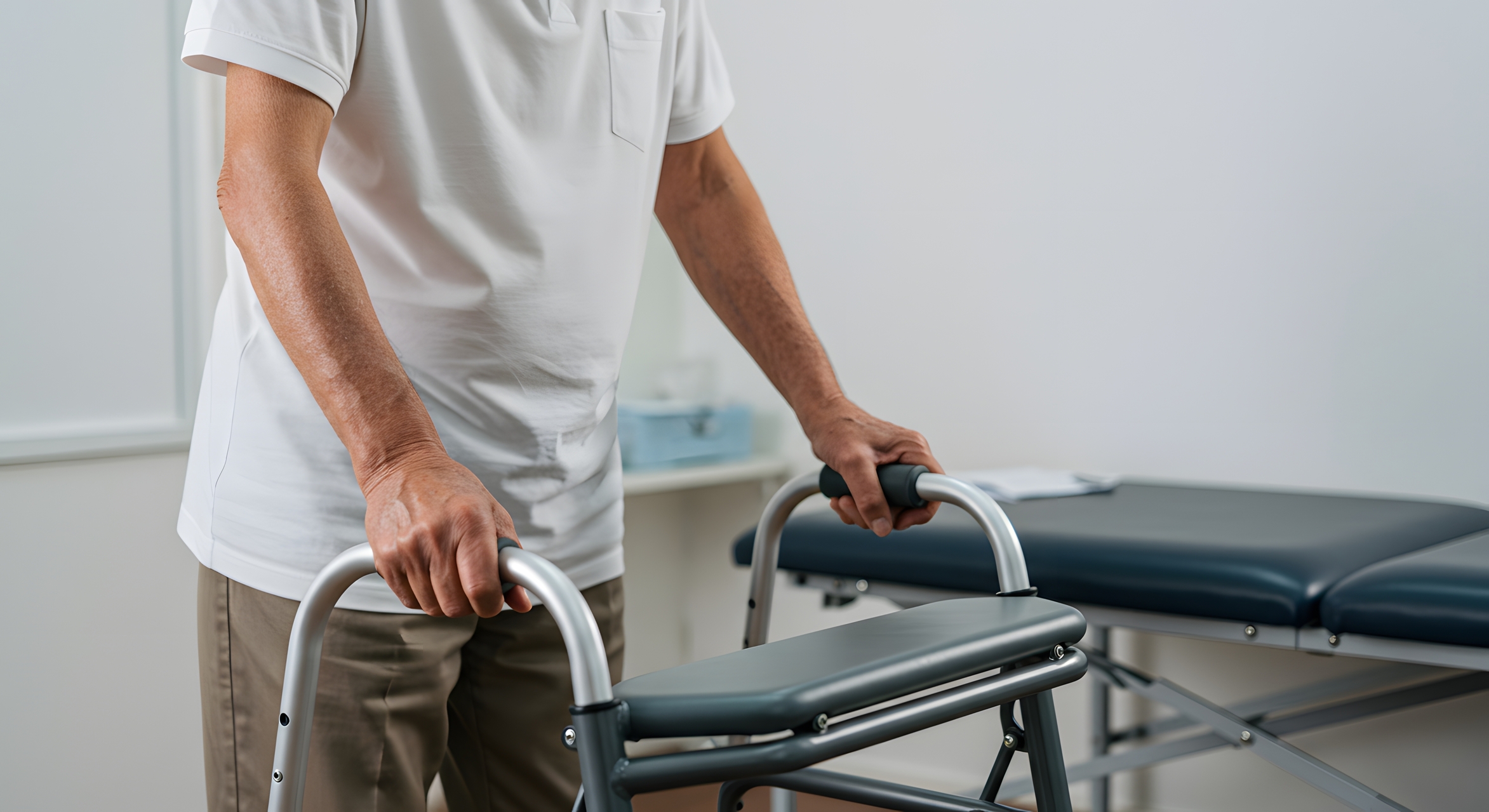
Want to help the seniors you care for stay active, confident and independent for longer?
We underestimate how important the space they inhabit can be. The wrong layout, the wrong furniture, even the wrong flooring can slowly erode a senior’s confidence.
Here’s the good news:
A few smart design choices can completely transform a space. You can:
- Reduce the risk of falls
- Encourage more daily movement
- Help seniors feel more in control
And the best part? Most of these changes are easier (and cheaper) than you’d think.
Let’s jump in…
What’s inside this guide:
- Why Smart Design Matters For Seniors
- The Real Cost Of Poorly Designed Spaces
- 7x Design Strategies That Encourage Mobility
- Furniture Choices That Make A Big Difference
Why Smart Design Matters For Seniors
Good design is more than pleasing to the eye. For the elderly, good design has a greater purpose, one that will help seniors maintain their independence.
Imagine. Every time someone has difficulty getting up from a low chair… Every time they refuse to go into a room because the lighting is poor… That’s a tiny bit of freedom lost.
And those small losses add up fast.
In the UK, approximately one in three adults aged 65 and over will experience a fall at least once a year, increasing to one in two for adults aged 80 and over. Falls are not just frightening experiences; they are often the catalyst for a senior to transition from living independently to living in full-time care.
The chair the senior is sitting in all day is a major player. Orthopaedic care chairs with good quality make sitting and standing easier and promote good posture, which is why quality comfy care home chairs are such a wise investment.
So the goal of good design is simple:
Create a space that supports movement instead of fighting against it.
The Real Cost Of Poorly Designed Spaces
A poorly designed care space costs more than just money.
Falls are costly – they’re £2 billion a year to the NHS and 4 million bed days. But there’s a greater price to pay on a personal level.
When a senior falls or fears falling, things change quickly:
- They stop moving as much
- Their muscles weaken
- Their confidence drops
- They become more dependent
It’s a vicious cycle that’s difficult to snap out of. People in care homes are three times more likely to fall than older people in their own homes. That’s why design should always be considered. It’s not a luxury. It’s a necessity.
7x Design Strategies That Encourage Mobility
And now for the good stuff. These really work.
Open Up The Floor Plan
Cluttered, narrow spaces are the enemy of mobility.
Mobility devices such as walking frames and wheelchairs need space to manoeuvre. So do individuals who are unsteady on their feet. The solution is to open up the floor plan and rearrange furniture to allow for a clear, wide path between rooms.
Aim for at least 90cm of clear space in main walkways.
Choose The Right Seating
This one is big. A senior’s daily chair can promote independence or quietly kill it. A chair that is too low, too soft, or too deep makes it difficult to stand up.
Orthopaedic care chairs allow seniors to sit down and rise up independently without assistance every time.
Look for chairs with:
- A higher seat height (around 18-20 inches)
- Firm but cushioned support
- Sturdy armrests for pushing up
- A slight forward tilt to help with standing
Light Up Every Corner
Dim lighting is one of the leading fall hazards in the home. We need much more light to see well as we get older. But most houses are set up for people who are younger.
Fix this by adding:
- Bright overhead lights in every room
- Motion-activated lights for hallways at night
- Task lighting near reading chairs and beds
- Light switches at both ends of the hallways
When seniors can see clearly, they move more freely.
Pick The Right Flooring
Flooring is often overlooked. But it’s a major factor in mobility.
Slippery floors, loose carpets and rugs are often to blame. Choose a floor that is non-skid, low-pile and the same all through the home.
Avoid:
- Loose rugs (huge trip hazard)
- High-pile carpets (hard for walkers to roll on)
- Polished tiles (slippery when wet)
Create Strategic Resting Points
Elders require places to sit. Not because they’re lazy — because they have different energy levels.
If a senior must walk too far without a place to sit, they will begin avoiding that path. Then they cease to use portions of their home. And their world shrinks.
Set strong chairs at the end of long hallways, next to the kitchen, by the door. They’ll walk faster knowing they can sit if they get tired.
Install Grab Rails Where They Matter
Grab rails are simple, inexpensive, and fantastically effective. The challenge is installing them in the correct locations.
The most important spots are:
- Beside the toilet
- Inside the shower or bath
- Along stair walls
- Near the entrance steps
Secure the rails well — a loose rail is worse than no rail.
Keep Essentials Within Easy Reach
Stretching overhead or bending down to the floor can be dangerous for seniors. Why build kitchens and bathrooms that require them to do both?
Store things used daily at waist level. Consider pull-down shelving, if possible. Cups, plates, and toiletries should be within easy reach.
Furniture Choices That Make A Big Difference
Seating has been covered, but furniture choice goes deeper than that.
Every piece of furniture in a senior’s space should be assessed against three questions:
- Is it stable enough to lean on?
- Is it the right height for getting in and out?
- Does it create or remove obstacles?
Bed heights should allow one to place one’s feet flat on the ground when seated. Tables should be able to be leaned against without being pushed over. Sofas should prop up one’s back, not consume one.
Life becomes simpler when furniture works with older adults and not against them. Movement becomes more assured, and seniors remain independent longer.
Bringing It All Together
Mobility friendly spaces don’t need to look clinical. Thoughtful design can be subtle yet effective. It can be used to benefit seniors in their daily lives.
Quick recap:
- Open layouts give freedom to move
- Quality seating supports independent sitting and standing
- Good lighting builds confidence
- Safe flooring removes hidden hazards
- Resting points keep seniors active
- Grab rails offer support where needed
- Smart storage reduces risky reaching
Help seniors stay active, safe and in control of their lives, for as long as possible. Every little design decision adds up to the greater good of their day-to-day freedom.
Disclaimer: This article is for general information only and does not constitute medical, care, occupational therapy, or design advice. Always seek guidance from qualified professionals before making changes to a senior’s living space. Open MedScience is not responsible for any loss, injury, or outcome arising from the use of this information.
home » blog » health and wellbeing »