
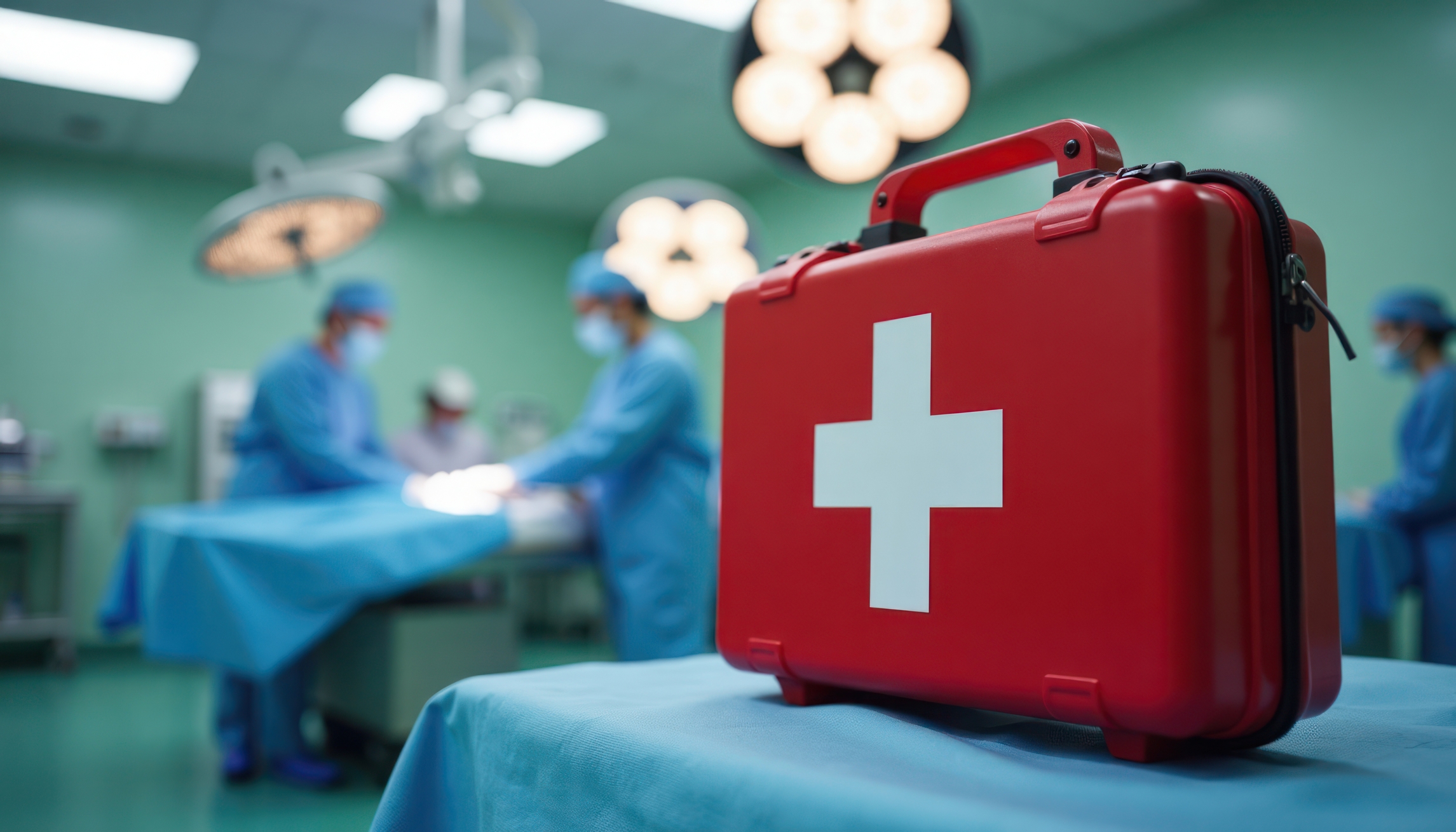
While aesthetic treatments are generally safe when performed properly, the potential for serious complications requires comprehensive emergency preparedness. From vascular occlusion requiring immediate intervention to allergic reactions demanding rapid response, aesthetic practitioners must be ready to manage medical emergencies that can occur despite excellent technique and appropriate patient selection. Emergency preparedness encompasses proper equipment and medications, staff training and protocol development, practice drills and competency maintenance, and clear escalation pathways when situations exceed practice capabilities. The difference between minor incidents and catastrophic outcomes often depends on how quickly and effectively practices respond to initial warning signs.
Understanding Emergency Risks in Aesthetic Procedures
Aesthetic injectable treatments carry specific emergency risks that practices must prepare to address. Vascular occlusion from inadvertent intravascular injection or external vessel compression represents the most time-critical emergency, presenting with severe pain, skin blanching or discolouration, vision changes if periorbital vessels are affected, and rapid progression to tissue necrosis without immediate treatment. While rare when proper technique is employed, vascular complications can occur even in experienced hands, making preparedness non-negotiable.
Allergic reactions range from mild local responses to potentially life-threatening anaphylaxis, though severe reactions to hyaluronic acid fillers remain uncommon. Signs requiring emergency response include difficulty breathing or throat tightness, rapid onset widespread hives or angioedema, cardiovascular instability with hypotension or tachycardia, and loss of consciousness or altered mental status. Immediate recognition and treatment can prevent progression to life-threatening complications.
Vasovagal reactions from anxiety or pain cause temporary loss of consciousness that typically resolves quickly with appropriate positioning and supportive care. While usually benign, vasovagal episodes require proper management to prevent injury from falls and to distinguish them from more serious cardiovascular events. Practitioners must differentiate between simple fainting and more concerning causes of altered consciousness.
Cardiovascular events, including heart attack, stroke, or severe hypertensive crisis, can occur during aesthetic treatments, particularly in older patients with underlying health conditions. While treatments don’t cause these events, the stress and positioning involved may precipitate them in vulnerable individuals. Practices must be prepared to recognise and respond to these general medical emergencies even though they’re not directly treatment-related.
Essential Emergency Equipment and Medications
Comprehensive emergency preparedness requires specific equipment and medications appropriate to the risks of aesthetic practice. Hyaluronidase represents the single most critical emergency medication for practices using hyaluronic acid fillers, rapidly dissolving HA gel to reverse vascular occlusion. Multiple vials should be immediately accessible, with at least 1500-3000 units available for emergency use, unexpired product, regular inventory checks, clear protocols for reconstitution and administration, and all staff trained in emergency hyaluronidase use.
Reliable suppliers like Bioresus ensure consistent access to hyaluronidase, though practices should maintain stock rather than depending on emergency orders during crises. Hyaluronidase requires refrigeration and has a limited shelf life once reconstituted, necessitating proper storage and timely replacement of expiring product.
Epinephrine and anaphylaxis treatment supplies are essential for managing severe allergic reactions, including multiple epinephrine auto-injectors or vials with syringes, antihistamines in both oral and injectable forms, corticosteroids to prevent recurrence, and oxygen delivery equipment with appropriate flow rates. These supplies enable immediate treatment while emergency services arrive for serious allergic reactions.
Basic cardiovascular emergency equipment includes blood pressure monitoring equipment for assessment, aspirin for suspected cardiac events, glucose testing and treatment for hypoglycemia, and an automated external defibrillator appropriate for the setting. While AED requirements vary by jurisdiction, having one available demonstrates commitment to comprehensive emergency preparedness.
Supportive care supplies facilitate emergency management, including oxygen with appropriate delivery masks, intravenous access supplies if within the practitioner’s scope, emergency lighting in case of power failure, and communication devices for contacting emergency services. These items support emergency response when complications occur outside normal business hours or during other challenging circumstances.
Emergency Protocol Development and Documentation
Written emergency protocols provide structured responses, preventing dangerous improvisation during high-stress situations. Vascular occlusion protocols should detail immediate cessation of treatment, area massage to improve blood flow, rapid hyaluronidase reconstitution and administration, including doses and injection technique, warm compress application to promote vasodilation, aspirin administration to prevent clot extension, urgent ophthalmology consultation if periorbital involvement, and follow-up protocols for monitoring tissue viability. These protocols should be posted visibly in treatment areas to enable rapid reference during emergencies.
Anaphylaxis response protocols specify recognition criteria triggering emergency response, epinephrine administration with appropriate dosing and route, activation of emergency medical services, positioning and monitoring pending emergency arrival, and documentation requirements for the incident. Clarity about when to activate emergency services prevents dangerous delays from uncertainty about whether situations warrant a professional emergency response.
Vasovagal episode management protocols include positioning with legs elevated to improve cerebral perfusion, monitoring vital signs until full recovery, maintaining patient safety, preventing falls or injury, and distinguishing vasovagal reactions from more serious causes of loss of consciousness. While typically benign, vasovagal episodes require proper assessment to ensure they don’t mask cardiac or neurological events.
General emergency response protocols establish who assumes incident command during emergencies, how emergency services are activated, what information is communicated to emergency responders, how other patients in the practice are managed, and documentation requirements following emergencies. These overarching protocols provide a framework for managing any unexpected situation, even those not specifically anticipated.
Staff Training and Competency Maintenance
Emergency protocols are only effective if staff are trained to execute them under pressure. Comprehensive training programs should cover recognition of emergency signs requiring intervention, specific protocols for each identified emergency type, proper use of emergency equipment and medications, communication with emergency services, and documentation following incidents. This training should occur during onboarding and be refreshed at least annually to maintain competency.
Role assignment during emergencies prevents confusion about responsibilities by designating who performs clinical interventions, who contacts emergency services, who manages other patients and maintains calm, who retrieves emergency supplies and medications, and who documents the incident. Clear role assignments enable coordinated response rather than chaotic scrambling, where critical tasks are delayed or overlooked.
Practical drills and simulations develop muscle memory and reveal protocol weaknesses through quarterly mock emergency scenarios, role-playing different emergency types, timing responses to identify bottlenecks, and critique sessions that improve protocols and performance. These drills transform abstract protocols into practised behaviours accessible under stress. Initially awkward or slow drill performance is expected and valuable, revealing gaps before real emergencies test preparedness.
Basic life support certification ensures all clinical staff can provide appropriate emergency care if needed. While aesthetic practitioners may not expect to perform CPR frequently, certification ensures competency if cardiovascular emergencies occur. Many practices require BLS certification for all clinical staff as a condition of employment, recognising that emergencies don’t respect job descriptions.
Emergency Supply Management and Quality Control
Maintaining emergency preparedness requires systematic attention to supply management to prevent the discovery of expired or depleted emergency supplies during crises. Regular inventory audits should verify that all emergency medications are present in required quantities, check expiration dates against replacement before expiration, confirm that proper storage conditions have been maintained, and periodically test equipment functionality. These audits should occur monthly or quarterly, depending on supply turnover and criticality.
Expiration-date tracking prevents the discovery of expired emergency supplies during crises through calendar reminders for upcoming expirations, proactive replacement before expiration, and systems that prevent expired items from remaining in emergency supplies. Some practices use colored labels or other visual systems, making expiration status immediately obvious during inventory checks. The cost of replacing expired emergency supplies exceeds the risk of having inadequate supplies when needed.
Emergency kit standardisation creates consistency across treatment rooms by ensuring identical emergency supplies in each treatment location, standardised organisation enabling rapid location, clear labelling, and instructions visible without searching, and regular synchronisation to ensure all kits remain current. This standardisation prevents situations where emergency supplies exist but cannot be located quickly during high-stress situations.
Post-use replenishment ensures emergency supplies are restored immediately after use through clear protocols for notifying supply managers of usage, expediting the replacement of used emergency supplies, and verifying that replacements are properly stored. Using emergency supplies and failing to replace them can create dangerous situations in which practices believe they’re prepared but actually lack critical items.
Communication During and After Emergencies
Effective communication during emergencies prevents confusion and ensures appropriate responses. Communication with emergency services requires clear, concise information about the nature of the emergency, the location with specific directions if needed, the patient’s status, including vital signs and interventions performed, and contact information for follow-up. Designating a specific staff member as the emergency services liaison ensures consistent, accurate communication rather than having multiple people provide potentially conflicting information.
Patient communication during emergencies balances honesty with reassurance by providing a clear explanation of what occurred and what is being done, a realistic assessment without minimising or catastrophising, and continuous updates as the situation evolves. Patients experiencing emergencies are understandably frightened, and calm professional communication helps them cooperate with necessary interventions while managing anxiety.
Family communication, when appropriate, involves notifying designated contacts if the patient’s condition warrants it, explaining the situation and any hospital transport, and coordinating family arrival and access to information. Some emergencies occur with patients alone at practices, making advance designation of emergency contacts important during initial consultations.
Post-incident communication includes follow-up with patients to ensure appropriate ongoing care, coordination with specialists if referrals were made, and a transparent discussion of what occurred and its implications. Many practices find that honest communication about emergencies and their management actually strengthens patient relationships when handled professionally, while attempts to minimise or obscure events create distrust.
Documentation and Quality Improvement
Comprehensive documentation of emergency events serves legal, quality improvement, and educational purposes. Incident documentation should include a detailed timeline of events from initial symptoms through resolution, all interventions performed with times and responses, vital signs and physical findings throughout the incident, communications with emergency services and other providers, and patient disposition and follow-up plans. This documentation demonstrates appropriate emergency response and provides data for quality analysis.
Root cause analysis following incidents identifies contributing factors and improvement opportunities through a systematic review of what occurred and why, an evaluation of whether existing protocols were followed and proved adequate, the identification of system factors that contributed, and the development of corrective actions to prevent recurrence. This structured analysis treats incidents as learning opportunities rather than simply unfortunate events to move past.
Protocol refinement based on actual experience ensures procedures remain practical and effective by updating them to reflect lessons learned from real incidents, simplifying overly complex procedures, adding scenarios not previously anticipated, and incorporating new evidence or guidelines. Emergency protocols should be living documents that evolve based on experience rather than static procedures that become outdated.
Staff debriefing after incidents addresses the emotional impact and reinforces learning by providing a safe environment to discuss what occurred, recognising good performance under pressure, offering constructive feedback on areas for improvement, and offering emotional support to staff affected by stressful events. Emergencies can be traumatic for staff as well as patients, and practices should attend to staff wellbeing following difficult incidents.
Legal and Regulatory Considerations
Emergency preparedness carries legal and regulatory implications requiring attention to compliance and documentation. Regulatory requirements for emergency equipment and supplies vary by jurisdiction, with some regions specifying minimum emergency equipment for medical facilities, particular medications that must be available, staff training and certification requirements, and emergency drill frequency and documentation. Practices should understand the applicable requirements to ensure full compliance.
Informed consent should address emergency risks and preparedness by describing potential complications requiring emergency intervention, explaining that the practice maintains emergency protocols and supplies, discussing limitations that require emergency service activation, and documenting the patient’s understanding of risks. This informed consent creates a shared understanding of potential complications and appropriate responses.
Liability protection through appropriate emergency preparedness includes demonstrating a standard of care through documented protocols and training, maintaining proper insurance coverage for potential incidents, and documenting that reasonable precautions were taken. While emergency preparedness cannot eliminate liability risk entirely, it demonstrates professional standards that may influence legal outcomes if complications occur.
In some jurisdictions, mandatory reporting requirements require notification of serious adverse events to regulatory authorities. Practices should understand what events trigger reporting, what information must be provided and by when, and how to fulfil reporting obligations. Failure to report when required can result in additional sanctions beyond any arising from the incident itself.
Building a Culture of Safety and Preparedness
Comprehensive emergency preparedness requires cultural commitment beyond policies and equipment. Leadership must demonstrate that safety is genuinely prioritised by investing in appropriate emergency equipment and training, providing protected time for drills and education, and supporting staff who raise safety concerns. When leadership treats emergency preparedness as a compliance burden rather than a core value, staff internalise that attitude and preparedness suffers.
Open discussion of complications and near-misses without punitive response encourages reporting and learning. Practices where staff fear consequences for reporting problems miss opportunities to identify and address system vulnerabilities before serious incidents occur. Creating psychological safety around incident reporting requires conscious effort and a consistent response that treats problems as learning opportunities.
A continuous improvement mindset treats emergency preparedness as an ongoing process rather than a static achievement, through regular review and updating of protocols, incorporation of new evidence and best practices, learning from industry-wide incidents and advisories, and celebration of preparedness improvements. This commitment to excellence in emergency preparedness contributes to overall practice quality and patient safety culture.
The best emergency is the one that never occurs due to excellent technique, appropriate patient selection, and careful attention to safety. However, even with perfect practices, potential emergencies must be prepared for because complications can occur despite exemplary care. The practices that maintain comprehensive emergency preparedness, train staff thoroughly, and commit to continuous improvement in safety systems protect their patients, staff, and professional reputations while demonstrating the highest standards of professional responsibility in aesthetic medicine.
Disclaimer: This article is for general informational and educational purposes only and does not constitute medical, legal, or regulatory advice. It is not a substitute for professional training, clinical judgement, local protocols, or emergency medical support. Aesthetic practitioners must work within their scope of practice and comply with all applicable laws, regulations, and professional guidance in their jurisdiction. Any products, medications, suppliers, or equipment mentioned are included for informational purposes only and do not constitute endorsement. In any suspected emergency, immediate appropriate medical action and escalation to emergency services or specialist care should not be delayed. Open MedScience accepts no liability for any loss, injury, or damage arising from reliance on this content.
home » blog » health and wellbeing »