

Modern medicine has transformed the way clinicians evaluate back, neck, and joint discomfort, moving beyond guesswork and toward a precise, image-guided understanding. Advanced imaging tools allow doctors to see inside the body without surgery, revealing subtle injuries, degenerative changes, and nerve-related issues that might otherwise go unnoticed. For patients in communities such as Pompano Beach, these developments help connect diagnostic clarity with effective conservative treatment options like those available at ChiroCare of Florida . As imaging continues to improve, patients benefit from earlier detection, more accurate diagnoses, and personalized care plans rooted in evidence rather than assumptions.
Understanding Musculoskeletal Pain Through Better Visualization
Musculoskeletal pain can arise from multiple sources, including muscles, ligaments, joints, discs, and nerves. Historically, clinicians relied heavily on physical exams and symptom descriptions, which sometimes led to incomplete pictures of what was truly happening inside the body. Advanced imaging techniques now enable real-time observation of structures and evaluation of how different tissues contribute to pain.
This more precise visualization supports more confident diagnoses. When a clinician sees inflammation, disc displacement, or subtle microtears, the conversation shifts from speculation to targeted solutions. Patients can better understand their condition and feel more assured that treatment recommendations are based on measurable findings rather than trial and error.
MRI: Revealing Hidden Soft Tissue and Spinal Problems
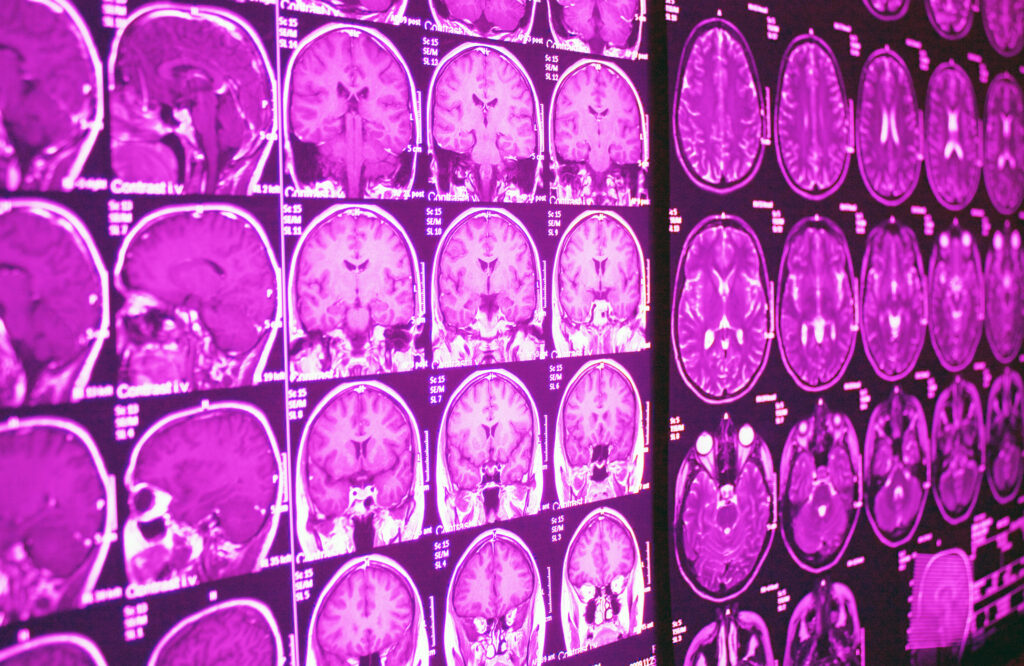
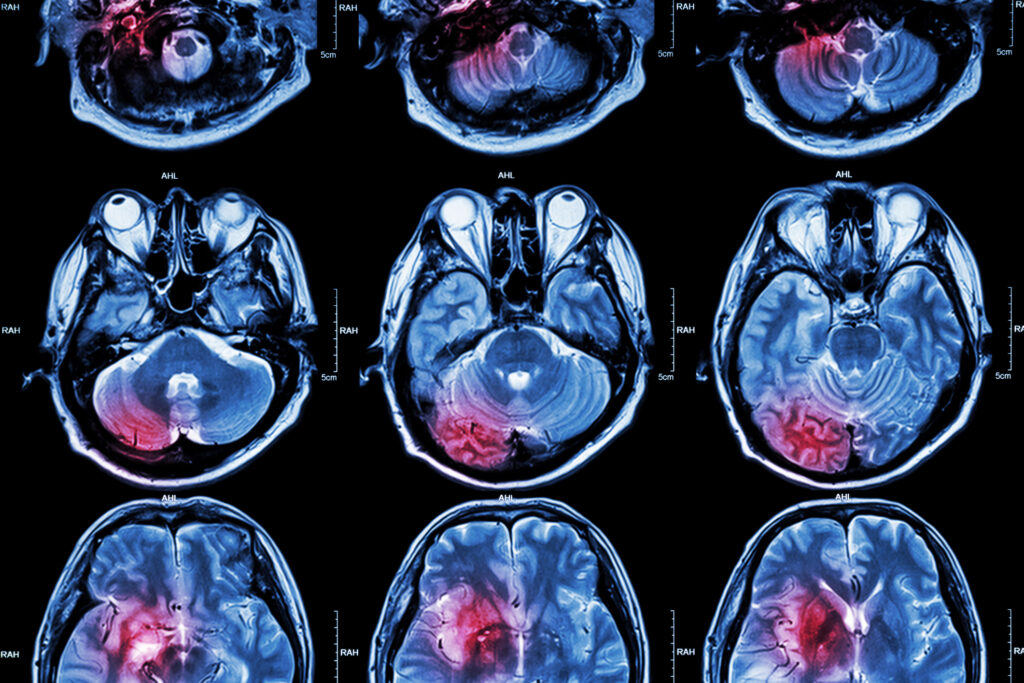
Magnetic resonance imaging (MRI) is one of the most powerful tools for assessing soft tissue structures. Unlike standard X-rays, which primarily show bones, MRI scans reveal discs, ligaments, nerves, and cartilage. This is especially valuable when evaluating conditions such as herniated discs, nerve compression, and degenerative changes that may cause persistent pain.
Because MRI provides three-dimensional detail, it helps differentiate between injuries that look similar from the outside. A patient with lower back pain in Pompano Beach, for example, may learn whether the discomfort stems from muscle strain or a disc issue pressing on a nerve. That specificity ensures treatment plans remain both safe and appropriately targeted, reducing unnecessary procedures and guiding conservative care where appropriate.
Ultrasound Imaging: Dynamic, Real-Time Assessment
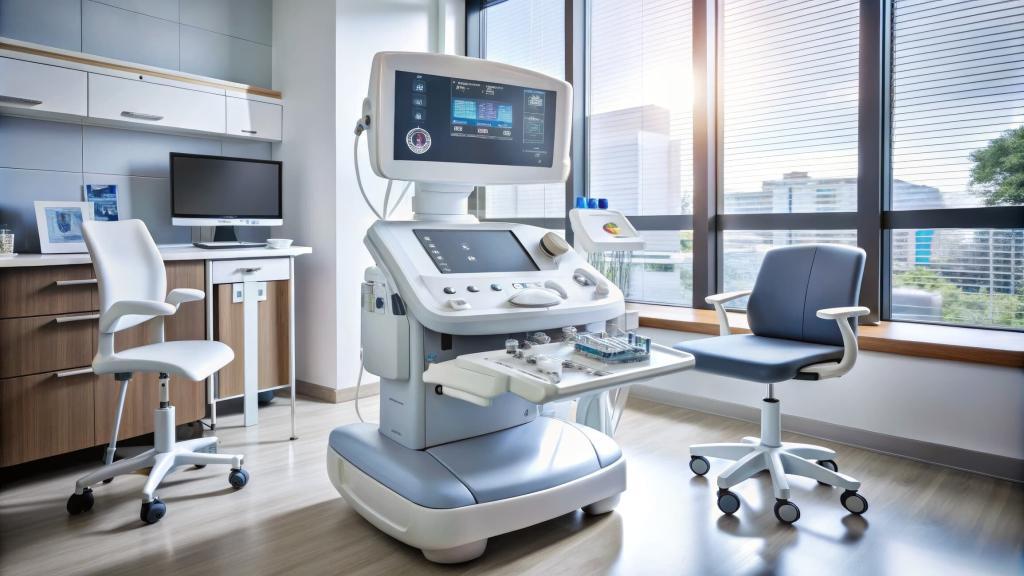
Ultrasound is no longer limited to prenatal care. In musculoskeletal medicine, it plays an important role by allowing clinicians to view moving structures in real time. Muscles, tendons, and ligaments can be observed while a patient performs gentle motions, providing insight into how injuries behave during activity.
This dynamic imaging is particularly valuable for diagnosing tendon inflammation, detecting small tears, and evaluating healing progress. Because ultrasound is noninvasive and radiation-free, it can be used repeatedly to track recovery. For patients seeking ongoing care near Pompano Beach, this approach offers a safe, cost-effective way to monitor improvement and adjust treatment as healing occurs.
CT Scans and the Role of Detailed Bone Imaging
Computed tomography (CT) scanning combines multiple X-ray images to produce detailed cross-sectional views of the body. While MRI excels with soft tissues, CT is particularly effective for assessing bones, fractures, and joint alignment. When trauma or complex structural concerns are suspected, CT scans help reveal the precise extent of injury.
In musculoskeletal care, this level of detail is essential. Clinicians can evaluate whether bones are healing correctly, whether degenerative changes are affecting surrounding tissues, and how misalignment may contribute to chronic discomfort. The result is a more complete diagnostic picture that informs safer, more strategic decision-making.
Connecting Imaging Insights to Conservative Treatment
Advanced imaging does more than confirm a diagnosis; it informs treatment choices and timelines. When imaging reveals conditions that respond well to conservative, noninvasive care, clinicians can confidently recommend options such as chiropractic adjustments, therapeutic exercises, or physical rehabilitation. This integrated approach allows patients to address both symptoms and underlying biomechanical factors.
In locations like Pompano Beach, where chiropractic care is readily accessible, imaging-guided treatment planning bridges modern diagnostics with hands-on care. When clinicians and chiropractors share imaging results, they collaborate more effectively, ensuring that adjustments and therapies support long-term joint and spinal health rather than only addressing pain temporarily.
Early Detection and Preventive Care
Another major benefit of advanced imaging is its ability to identify problems before they escalate. Minor disc bulges, early degenerative changes, or mild tendon irritation may not produce severe symptoms initially. However, when detected early, these findings encourage preventive strategies that reduce future complications.
Patients can modify activities, strengthen vulnerable areas, and pursue supportive care early rather than waiting until pain becomes debilitating. This proactive model aligns with a broader shift in healthcare toward wellness, longevity, and musculoskeletal resilience over a lifetime.
Conclusion
Advanced imaging techniques have reshaped how musculoskeletal pain is understood, diagnosed, and managed. Tools such as MRI, ultrasound, and CT scanning give clinicians the clarity needed to pinpoint the true source of discomfort and connect patients to the most appropriate treatments. For individuals in Pompano Beach and similar communities, these technologies support safer choices and more confident pathways toward recovery. As imaging continues to evolve, it promises not only better diagnoses but also earlier intervention, improved patient education, and a more collaborative approach to musculoskeletal health.
Disclaimer
The information provided in this article is intended for general educational and informational purposes only. It does not constitute medical advice, diagnosis, or treatment, and should not be used as a substitute for consultation with a qualified healthcare professional. While every effort has been made to ensure accuracy, medical knowledge and clinical practices continue to change, and individual circumstances may vary.
Readers should always seek advice from a licensed medical practitioner, radiologist, physiotherapist, chiropractor, or other suitably qualified healthcare provider regarding any medical condition, symptoms, or treatment options. Open MedScience does not endorse any specific clinic, service, or treatment mentioned in this article and is not responsible for outcomes arising from the use of the information presented.
home » blog » medical imaging modalities »