
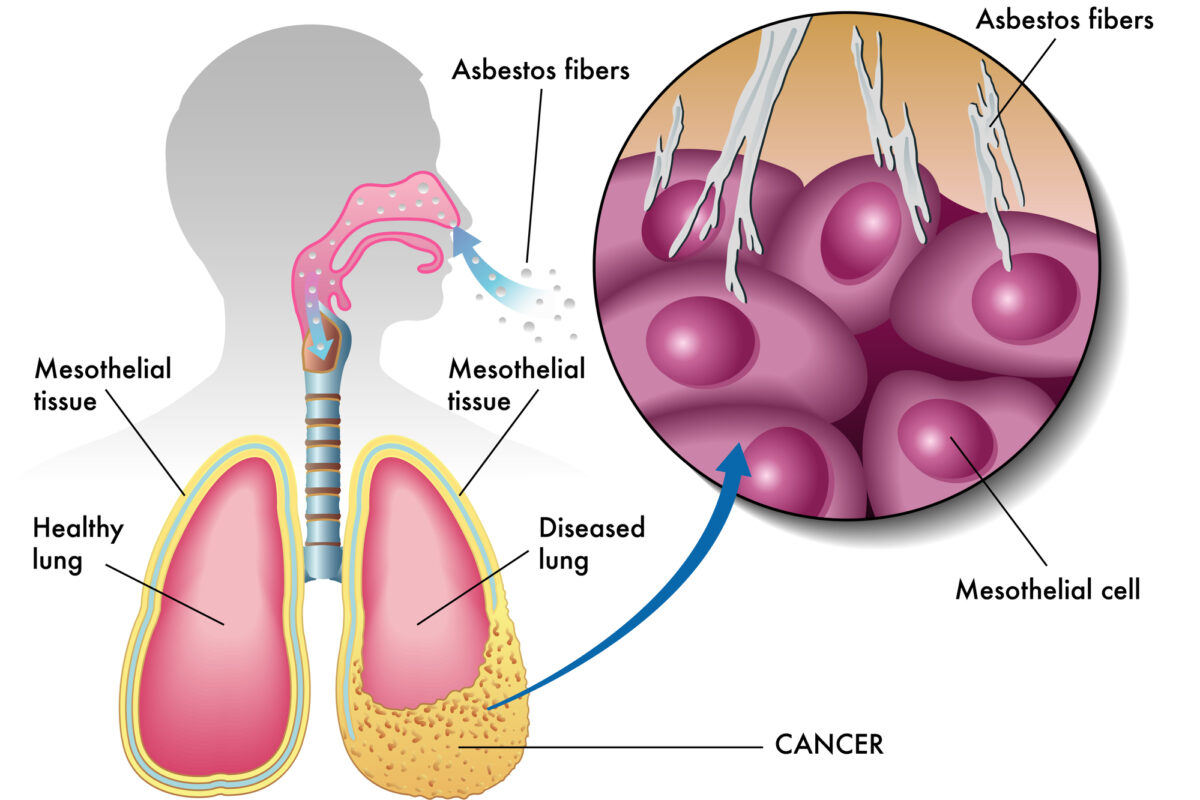
Mesothelioma is a rare cancer that is often linked to asbestos exposure. It usually starts in the lining around the lungs, but it can also affect the abdomen, heart, or other areas. One of the biggest challenges with mesothelioma is that early symptoms can look like many other health problems.
A person may have chest pain, shortness of breath, coughing, fatigue, or fluid buildup. At first, these signs may seem like pneumonia, asthma, or another lung condition. That is why advanced medical imaging plays such an important role. It helps doctors look inside the body, find possible signs of mesothelioma, and understand how far the disease may have spread. After a diagnosis, many individuals also choose to consult asbestos attorneys ca to better understand their legal rights and potential compensation options related to asbestos exposure.
Why Early Detection Matters
Finding mesothelioma early can make a big difference. When doctors detect it sooner, patients may have more treatment options. These can include surgery, chemotherapy, immunotherapy, radiation, or a mix of treatments.
Early imaging can also help patients avoid long delays. Since mesothelioma is not common, it can take time to reach the right diagnosis. Clear imaging gives doctors important clues and helps guide the next steps.
For people with a known history of asbestos exposure, imaging may be especially important. This includes former construction workers, shipyard workers, factory workers, mechanics, and even family members exposed to asbestos fibres brought home on work clothes.
What Medical Imaging Can Show
Medical imaging does not usually confirm mesothelioma by itself. A biopsy is often needed to make a final diagnosis. Still, imaging helps doctors see where the problem is and decide where to take a tissue sample.
Imaging can show:
- Thickening of the lining around the lungs
- Fluid buildup in the chest or abdomen
- Tumours or unusual masses
- Spread into nearby tissue
- Enlarged lymph nodes
- Changes after treatment
These details help doctors build a clearer picture of what is happening inside the body.
Common Imaging Tests Used for Mesothelioma
Chest X-Rays
A chest X-ray is often one of the first tests used when someone has breathing problems or chest pain. It is quick and easy, but it has limits.
An X-ray may show fluid around the lungs or changes in the chest, but it may not clearly show small tumours. Because of this, doctors often order more detailed imaging if they suspect something serious.
CT Scans
A CT scan, also called a computed tomography scan, gives doctors a much more detailed view than a regular X-ray. It takes many images from different angles and creates cross-section pictures of the body.
For mesothelioma, CT scans are very helpful. They can show thickened pleura, tumour growth, fluid, and whether cancer may have spread to nearby areas. Doctors often use CT scans to plan biopsies and treatment.
CT scans are also useful for tracking changes over time. If a patient is receiving treatment, doctors may compare new scans with older ones to see if the disease is shrinking, stable, or growing.
MRI Scans
An MRI uses powerful magnets and radio waves to produce detailed images of the body’s internal structures. It is especially helpful when doctors need to see soft tissue more clearly.
For mesothelioma, MRI scans may help show whether cancer has spread into the diaphragm, chest wall, spine, or nearby organs. This information is important because it can affect treatment choices.
MRI is not always the first test used, but it can give extra detail when CT results are not enough.
PET Scans
A PET scan helps show how active different cells are throughout the body. Cancer cells often use more energy than normal cells, so they may appear as bright spots on the scan.
PET scans are often combined with CT scans. This is called a PET-CT scan. Together, these tests help doctors see both the structure and activity of suspicious areas.
PET scans can help find cancer spread that may not be easy to see on other tests. They can also help doctors check whether treatment is working.
How Imaging Helps Stage Mesothelioma
Staging means figuring out how far cancer has spread. This is one of the most important parts of planning treatment.
Doctors look at several things when staging mesothelioma:
- Where the tumour started
- How large or thick the tumour is
- Whether nearby lymph nodes are involved
- Whether the cancer has spread to other areas of the body.
Advanced imaging gives doctors the details they need to make those decisions. For example, a CT scan may show whether the disease is still mostly in the chest lining. An MRI may show whether it has reached the chest wall. A PET scan may show whether cancer cells are active in distant areas.
The stage can affect whether surgery is possible, what treatments may be recommended, and what the care plan may look like.
Imaging and Biopsy Planning
A biopsy is when doctors remove a small tissue sample and test it in a lab. This is usually required to confirm mesothelioma.
Imaging helps doctors choose the safest and most useful biopsy location. Instead of guessing where to take the sample, they can use scans to target suspicious areas. This can improve accuracy and reduce the chance of needing repeat procedures.
In some cases, doctors may use image-guided biopsy. That means they use CT or ultrasound imaging during the procedure to guide the needle.
Why a Patient’s Work History Still Matters
Even the best imaging test is only one piece of the puzzle. A patient’s work and exposure history can help doctors connect the dots.
Someone who worked around insulation, boilers, shipyards, old buildings, automotive parts, or industrial materials may have had asbestos exposure years ago. Mesothelioma can take decades to develop, so exposure from long ago can still matter today.
This history can also be important for legal reasons. Patients and families in California, for example, may want to learn about their rights by speaking with asbestos attorneys ca who understand asbestos-related claims and exposure history.
What Patients Should Ask Their Doctor
If mesothelioma is suspected, patients should feel comfortable asking questions. Clear answers can make the process less overwhelming.
Helpful questions include:
- What did the imaging show?
- Do I need a CT, MRI, or PET scan?
- Is a biopsy needed?
- Has the disease spread?
- What stage is suspected?
- Should I see a mesothelioma specialist?
It is also a good idea to keep copies of imaging reports. These records can be useful when getting a second opinion or meeting with a specialist.
Conclusion
Advanced medical imaging helps doctors detect mesothelioma signs earlier, understand where the disease is located, and stage it more accurately. While scans alone may not confirm the diagnosis, they guide many important decisions, from biopsy planning to treatment options.
For patients and families, the process can feel stressful. But better imaging gives doctors a clearer view and helps reduce uncertainty. When combined with medical history, lab testing, and specialist care, imaging can play a key role in building the right plan.
FAQ
Can imaging detect mesothelioma early?
Imaging can help find signs of mesothelioma, such as fluid buildup or thickened tissue. However, a biopsy is usually needed to confirm the diagnosis.
What is the best scan for mesothelioma?
CT scans are commonly used because they provide detailed images of the chest or abdomen. MRI and PET scans may also be used for more detailed staging.
Does a PET scan show if mesothelioma has spread?
A PET scan can help doctors see areas of active cancer and may show spread to lymph nodes or distant parts of the body.
Is an X-ray enough to diagnose mesothelioma?
No. An X-ray may show something unusual, but it is not detailed enough to diagnose mesothelioma by itself.
Why is staging important?
Staging helps doctors understand how far the cancer has spread. This affects treatment options and helps guide the care plan.
Disclaimer: This article is provided for educational and informational purposes only and should not be considered medical or legal advice. It is not intended to diagnose, treat, cure, or prevent any medical condition, including mesothelioma. Medical imaging findings must always be interpreted by qualified healthcare professionals, and a definitive diagnosis generally requires clinical assessment, imaging, and biopsy. If you have symptoms, a history of asbestos exposure, or concerns about your health, seek prompt advice from your doctor or an appropriate medical specialist. References to legal services or asbestos attorneys are included for general informational purposes only and do not constitute an endorsement or recommendation by Open MedScience. Readers should seek independent medical and legal advice appropriate to their individual circumstances.
home » blog » health matters »