
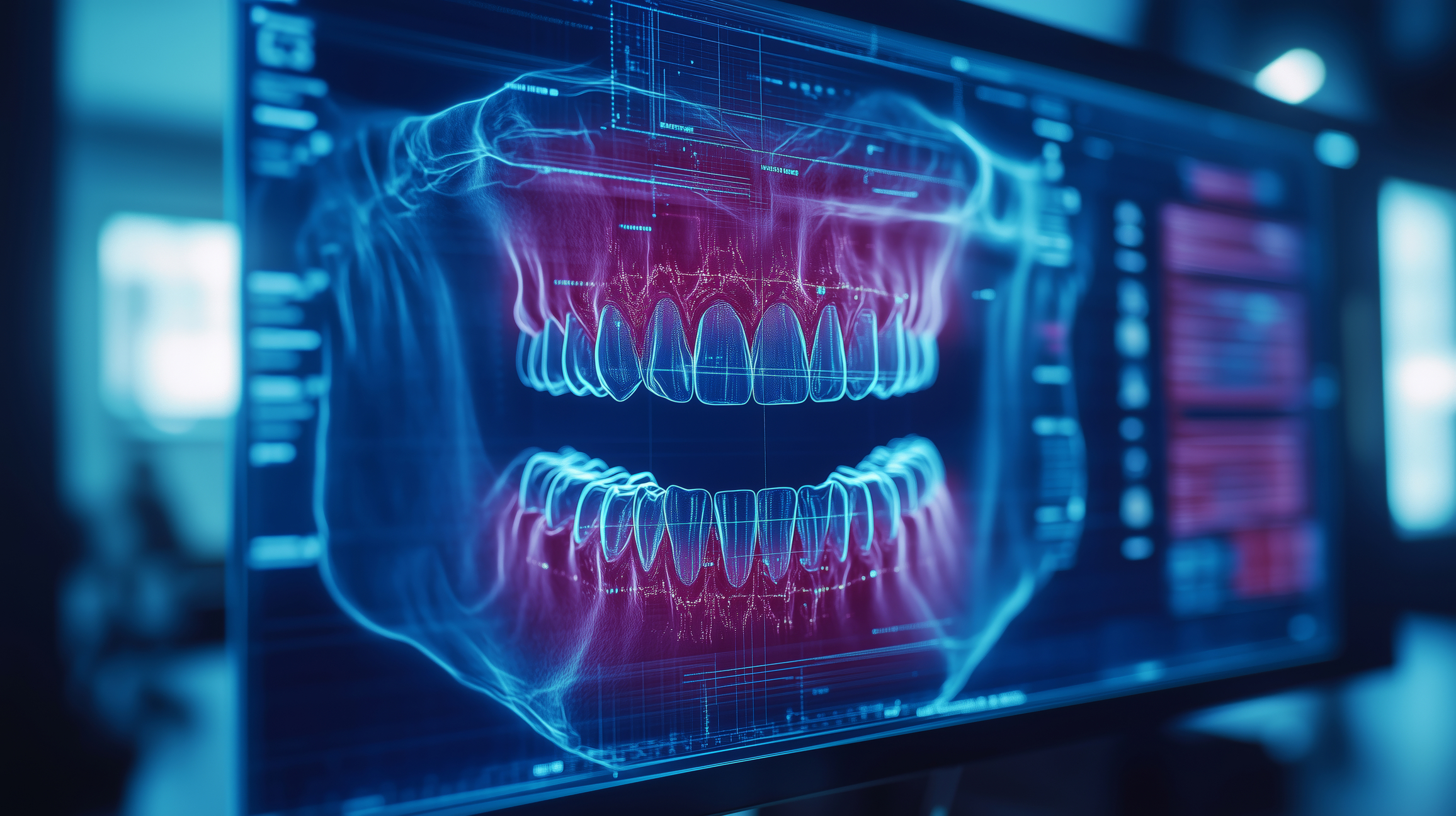
Dentistry has entered a new era of technological innovation. In recent years, artificial intelligence (AI), digital imaging, and advanced diagnostic tools have begun transforming how dental professionals detect, diagnose, and treat oral health conditions.
These technologies are improving accuracy, helping clinicians identify problems earlier, and allowing patients to better understand their treatment options.
While traditional dental examinations remain essential, digital tools are increasingly supporting clinicians by providing deeper insights into oral health conditions that may otherwise be difficult to detect in early stages.
The Evolution of Digital Dentistry
Digital technology has been gradually reshaping dental practices over the past two decades. The introduction of digital X-rays, intraoral scanners, and 3D imaging systems has dramatically improved diagnostic capabilities while also reducing patient discomfort and exposure to radiation.
Compared with traditional film-based radiographs, digital imaging systems allow clinicians to capture high-resolution images instantly. These images can then be enhanced, magnified, and analysed to detect issues such as cavities, bone loss, and infections with greater precision.
More recently, artificial intelligence has begun assisting dentists in interpreting these images. AI-powered software can analyse dental radiographs and highlight potential problem areas, helping clinicians confirm diagnoses and identify early warning signs that might otherwise be missed.
AI-Assisted Diagnostics in Dentistry
One of the most promising applications of AI in dentistry is diagnostic support. AI algorithms are trained using thousands of dental images and clinical cases, enabling them to recognise patterns associated with common oral health issues.
For example, AI systems can help identify:
- Early-stage cavities
- Periodontal bone loss
- Cracked teeth
- Periapical infections
- Signs of oral pathology
These tools do not replace clinical judgment but instead serve as decision-support systems that enhance the diagnostic process.
By flagging potential abnormalities, AI can help clinicians conduct more thorough evaluations and reduce the likelihood of undetected conditions progressing into more serious problems.
Improving Treatment Planning
In addition to diagnostics, digital technologies are also transforming how treatment plans are developed and communicated to patients.
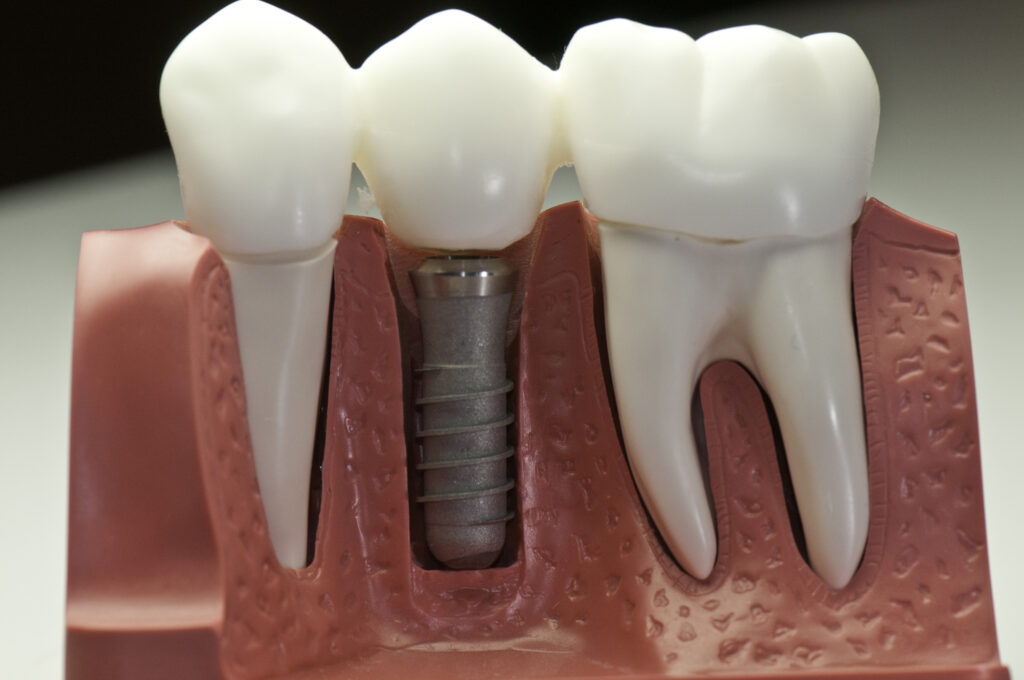
Advanced imaging tools such as cone beam computed tomography (CBCT) provide detailed three-dimensional views of a patient’s teeth, jaw, and surrounding structures. This allows dentists to plan procedures such as implants, root canals, and orthodontic treatments with greater accuracy.
Digital planning software can simulate treatment outcomes and visualise how procedures will affect a patient’s oral structure. This capability helps both clinicians and patients better understand the expected results before treatment begins.
According to clinical observations from Meadow Hills Dental, digital imaging and treatment planning tools have significantly improved patient communication. “When patients can see detailed images of their teeth and understand the reasoning behind a treatment recommendation, they tend to feel more confident about the care they receive,” the practice notes.
This improved transparency can lead to higher patient trust and better treatment acceptance.
Enhancing Patient Education and Engagement
Another key benefit of digital dentistry is its ability to enhance patient education. Visual tools allow clinicians to show patients exactly what is happening in their mouths, making complex dental conditions easier to understand.
For example, intraoral cameras can capture real-time images inside a patient’s mouth, allowing dentists to explain issues such as enamel erosion, gum inflammation, or tooth fractures directly on a screen.
AI-powered software can also generate visual overlays that highlight potential areas of concern on dental radiographs. This makes it easier for patients to see exactly where problems exist and why certain treatments may be recommended.
Improved understanding often leads to greater patient engagement in preventive care and long-term oral health maintenance.
Early Detection and Preventive Care
Early detection remains one of the most important factors in maintaining oral health. Many dental conditions, including cavities and gum disease, develop gradually and may not cause noticeable symptoms until significant damage has already occurred.
AI-assisted diagnostics and digital imaging help dentists detect subtle changes in dental structures earlier than ever before. By identifying issues at earlier stages, clinicians can often recommend less invasive treatments and prevent more serious complications.
This shift toward preventive care is particularly important as healthcare systems increasingly focus on early intervention and long-term disease management.
The Future of Digital Dentistry
The integration of AI and digital tools into dentistry is still evolving, and ongoing research continues to explore new applications for these technologies.
Future developments may include:
- More advanced AI-assisted diagnostics
- Predictive analytics for oral health risks
- Improved digital orthodontic planning
- Greater integration between dental and broader healthcare data systems
As these technologies continue to mature, they have the potential to further improve diagnostic accuracy, streamline treatment planning, and enhance patient outcomes.
While technology will never replace the expertise and judgment of trained dental professionals, it is becoming an increasingly valuable tool in modern dental care.
By combining clinical experience with digital innovation, dental professionals are better equipped than ever to provide precise, personalised, and preventive care for their patients.
Disclaimer: This article is for general informational purposes only and does not constitute dental, medical, or professional advice. AI and digital tools are intended to support, not replace, the clinical judgment of qualified dental professionals. Patients should always seek personalised advice, diagnosis, and treatment from a registered dentist or appropriate healthcare provider.
home » blog » dentistry »