

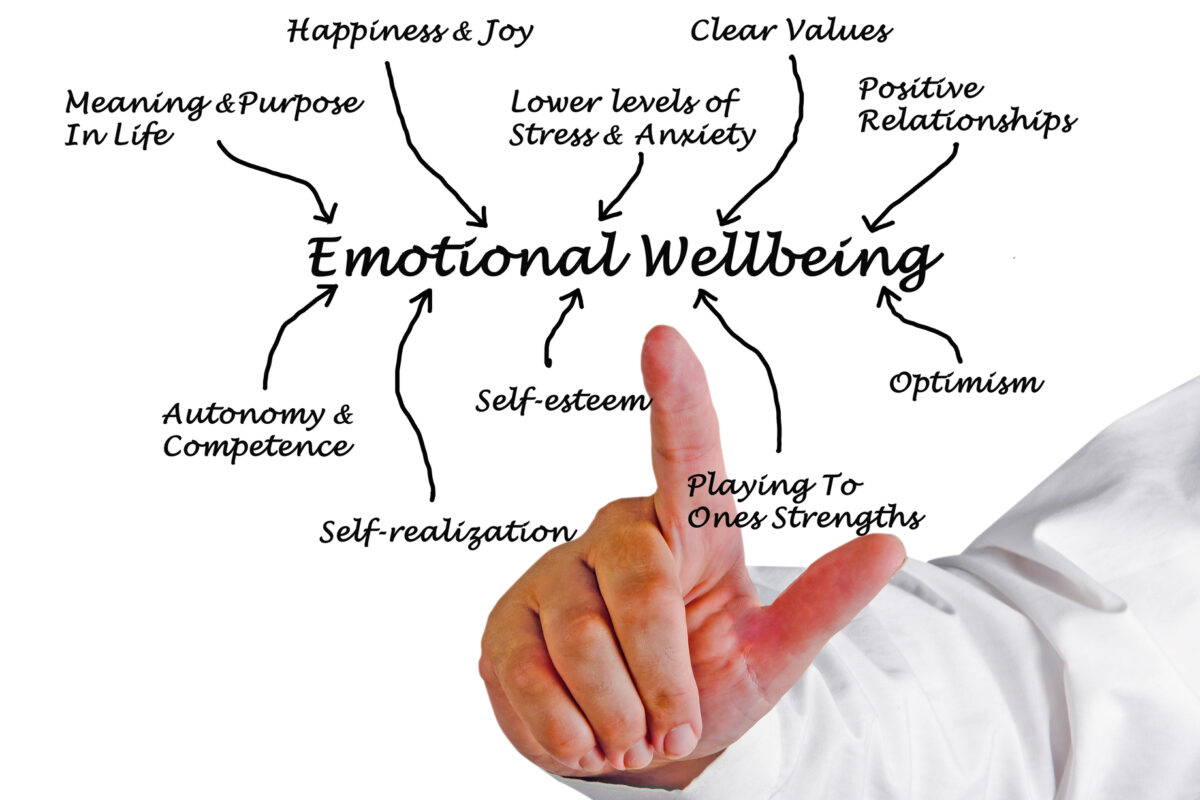
Taking care of your body is often viewed as something physical. We think about eating healthier meals, exercising, getting enough sleep, and keeping up with medical appointments. But there is another part of the equation that can be easy to overlook: emotional well-being.
The way we feel emotionally can influence the choices we make every day. When someone is stressed, overwhelmed, or emotionally drained, even basic healthy habits can start to feel like a chore. On the other hand, when a person feels supported and mentally well, they may find it easier to make time for exercise, prepare healthier meals, get enough rest, and take an active role in their overall health.
This connection between emotional and physical well-being is why self-care works best when it considers the whole person.
Emotional Health and Everyday Self-Care
Our emotions can affect everything from our eating patterns to our sleep schedule. For example, prolonged stress may cause some people to lose their appetite, while others may turn to comfort foods. Poor sleep can then leave someone feeling tired and unmotivated the next day, creating a cycle that makes healthy choices more difficult.
Self-care does not mean eliminating every stressful experience. Instead, it involves developing healthier ways to respond to life’s challenges.
Some simple habits can support emotional and physical wellness at the same time:
- Getting consistent, quality sleep
- Eating balanced and nourishing meals
- Staying physically active
- Spending time with supportive friends and family
- Taking regular breaks from work and screens
- Practicing relaxation or mindfulness
- Making time for hobbies and activities you enjoy
- Asking for professional help when emotional challenges become difficult to manage
These habits may seem basic, but maintaining them consistently can have a meaningful effect on quality of life.
Where Therapy Can Help
There are times when lifestyle changes alone are not enough. Therapy can provide a safe environment where people can talk openly about stress, anxiety, relationship difficulties, self-esteem, grief, and other emotional concerns.
A therapist can help someone understand patterns in their thoughts and behaviors and develop healthier ways to cope. This can also influence physical self-care. When emotional concerns are better managed, a person may have more energy and motivation to look after their body.
Therapy and medical wellness services are not interchangeable. They address different areas of health. However, they can both be part of a broader approach to personal well-being.
Someone who is working on their mental health may also become more intentional about exercise, nutrition, skincare, sleep, and other aspects of their lifestyle. The important thing is to approach each area according to individual needs rather than feeling pressured to achieve a certain image of perfection.
The Role of Medical Spas in Modern Wellness
Medical spas have become another option for people who want professional support with certain aesthetic and wellness goals. Unlike a traditional day spa, a medical spa operates within a medical setting and may offer treatments that require trained healthcare professionals and appropriate clinical oversight.
For people interested in professional aesthetic and wellness services, finding a reputable med spa in Waxahachie can provide access to personalized options that may complement an established self-care routine.
Depending on the clinic, services may include injectables, skin rejuvenation, microneedling, body contouring, and medically supervised weight-management programs. The right treatment depends on a person’s health, goals, and expectations.
The potential advantages of medical spa care include:
- Personalized treatment plans
A consultation allows a provider to understand the person’s concerns and recommend appropriate options. - Professional guidance
Patients can discuss their goals, possible side effects, expected results, and aftercare with trained professionals. - Nonsurgical treatment options
Many medical spa services are minimally invasive and may require less recovery time than traditional surgery. - Support for confidence
Addressing concerns about skin, facial appearance, or body shape may help some people feel more comfortable and confident. - Wellness-focused services
Some clinics offer services that go beyond aesthetics, including medically guided approaches to weight management and other wellness goals.
The purpose of these treatments should not be to replace healthy habits. Instead, they can complement a lifestyle that already includes good nutrition, movement, stress management, and appropriate healthcare.
Confidence Is Part of Well-Being
Emotional health and physical confidence can influence one another. When people feel comfortable in their appearance, they may feel more willing to participate in social activities, take photographs, attend events, or simply feel more at ease in everyday situations.
That does not mean appearance determines happiness. Confidence comes from many different sources, including relationships, accomplishments, personal values, physical health, and emotional resilience.
For some people, however, addressing a specific aesthetic concern can remove a source of insecurity. Professional treatments may be one part of that process, provided the decision is made for personal reasons and with realistic expectations.
A healthy mindset is to view aesthetic care as a personal choice rather than an obligation.
Why Medical Oversight Matters
Because medical spas may provide treatments involving medications, injections, or medical devices, patients should pay attention to the clinic’s approach to safety and clinical supervision.
Before choosing a provider, consider asking:
- Who will perform the treatment?
- What training and credentials do they have?
- Is a medical professional involved in overseeing care?
- What are the possible risks and side effects?
- What results should realistically be expected?
- What happens if a patient experiences a complication?
- Is a consultation performed before treatment?
Depending on the service and applicable regulations, patients may encounter clinical requirements such as a good faith exam for medical spas before certain treatments are provided. These evaluations can help establish whether a particular service is appropriate based on the patient’s individual circumstances.
Medical oversight is also an important consideration for clinics themselves. Having a qualified collaborating physician for med spa services can help support appropriate clinical supervision and treatment protocols. Specific requirements vary by location, provider type, and the services being offered, so patients should not hesitate to ask how a clinic handles medical oversight.
Building a Healthier Relationship With Self-Care
There is no single definition of wellness. For one person, it may mean becoming more active. For another, it may mean working with a therapist to manage stress or improving sleep after years of poor routines. Someone else may choose professional skin or aesthetic treatments because feeling more confident helps them feel better in their daily life.
The most sustainable approach is to combine different forms of care without allowing one area to replace another.
A balanced wellness routine might look like this:
- Take care of your physical health through movement, nutrition, sleep, and preventive care.
- Protect your emotional health by managing stress, maintaining supportive relationships, and seeking therapy when appropriate.
- Make room for personal confidence by taking care of your appearance in ways that feel healthy and authentic.
- Use professional services thoughtfully when they complement your individual health and wellness goals.
Ultimately, caring for your body is also an expression of how you care for yourself emotionally. When physical health, mental wellness, lifestyle habits, and personal confidence are approached together, self-care becomes more meaningful. It is less about trying to look or feel perfect and more about creating a life in which you feel supported, healthy, and comfortable being yourself.
Disclaimer: This article is provided for general informational and educational purposes only and does not constitute medical, psychological, mental health, aesthetic, or other professional advice. Information concerning therapy, medical spas, aesthetic procedures, weight management, medical examinations, and clinical oversight should not be regarded as a recommendation or endorsement of any particular treatment, provider, clinic, product, or service. Individual suitability, risks, benefits, and regulatory requirements vary according to personal circumstances and location. Readers should consult an appropriately qualified healthcare professional before making decisions concerning their physical or mental health or undergoing any medical or aesthetic procedure. External links are provided for informational purposes and do not imply endorsement by Open MedScience.
home » blog » health and wellbeing »