

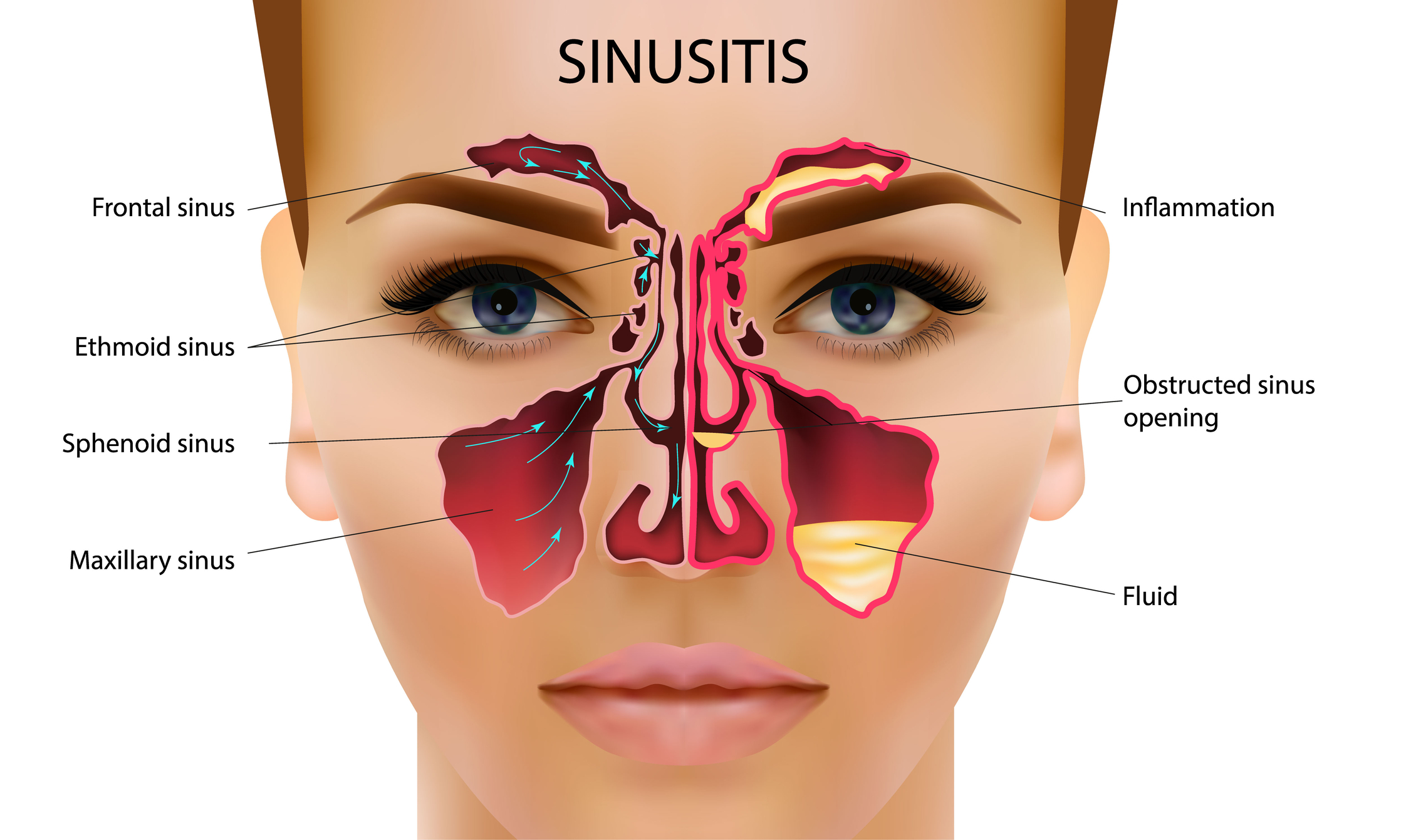
Recurring facial pressure can wear down concentration, sleep, and daily comfort. Many people assume every heavy ache across the brow comes from the sinuses, yet that is often an incomplete picture. Inflamed lining, narrow drainage pathways, allergies, infection, or internal nasal structure may all contribute. Knowing when facial pain points to a sinus issue is an important step toward finding the right care.
Lasting relief usually depends on finding the physical source of pressure, rather than treating each episode as an isolated pain event. Seeking sinus headache treatment that targets the root cause can help reduce recurring episodes more effectively. The sections below explain how sinus-related headaches develop and what treatment options may offer longer-lasting comfort.
Why Pain Returns
True sinus pain usually begins when swollen tissue blocks normal drainage and raises pressure inside air-filled spaces. In that setting, sinus headache treatment aims to restore airflow, calm the inflamed lining, and improve mucus clearance, because repeated discomfort often reflects an ongoing nasal problem, rather than a simple need for stronger pain relief. That distinction matters when episodes keep circling back.
Pressure Starts With Blockage
Each sinus drains through a narrow opening into the nose. Once swelling closes that passage, fluid movement slows, and pressure builds across the cheeks, forehead, or behind the eyes. Bending forward may intensify the sensation. Facial tenderness can follow as the irritated lining stays enlarged and trapped secretions continue pressing against sensitive tissue.
Signs That Fit
Sinus-related headache often appears with congestion, reduced smell, postnasal drip, or upper tooth discomfort. Migraine can copy several of those features, which makes location alone a weak guide. Pressure across the face, paired with fullness and nasal symptoms, usually points more clearly to a sinus source than a brief, stabbing ache does.
Common Drivers
Several factors can trigger or sustain sinus pressure, and many people deal with more than one at the same time. Understanding these common causes helps explain why symptoms often return despite repeated treatment.
Allergy, Infection, Anatomy
Seasonal allergy can inflame the nasal tissue within hours and disrupt drainage. Viral illness may cause short-lived blockage that improves as swelling settles. According to the Centers for Disease Control and Prevention, sinus infections are commonly triggered by viruses that cause nasal inflammation. Structural factors, such as a deviated septum, enlarged turbinates, or polyps, can keep pressure recurring for much longer. Weather shifts may add strain when already sensitive passages struggle to equalize surrounding air pressure.
Why Diagnosis Matters
Accurate diagnosis shapes useful care. Clinicians look for visible swelling, infection, polyps, or anatomy that limits ventilation through the nose and sinuses. Imaging may help when symptoms persist or the pattern remains unclear. Careful evaluation also separates sinus disease from migraine, tension headache, dental pain, or nerve-related facial discomfort that can mimic congestion. Upper molar roots sit close to the maxillary sinus floor, so an infected pulp can present as sinus pressure and vice versa — when imaging points that way, a root canal in Long Beach CA or an equivalent endodontic assessment locally is what resolves it.
Care That Targets Cause
Once the driver is clear, treatment can focus on the actual problem. Bacterial infection may require antibiotics, while allergy-related inflammation may respond to prescription nasal therapy or immunotherapy. Structural blockage sometimes improves with office-based procedures or surgery. Septoplasty, turbinate reduction, balloon dilation, or polyp removal may be considered when drainage remains chronically restricted.
Where Home Care Helps
Simple care at home can ease mild episodes and support recovery. Saline rinses help thin mucus, while hydration and humidified air may reduce dryness inside irritated passages. Over-the-counter pain medicine can briefly lower discomfort. Repeated attacks, however, usually need more than temporary symptom control, especially when congestion, pressure, or facial fullness returns often.
Benefits of Proper Care
Effective treatment can reduce attack frequency, improve nasal breathing, and lower the chance of chronic sinus inflammation. Better airflow often supports deeper sleep and steadier daytime focus. Relief also tends to last longer when the source of blockage is corrected. For patients with repeated symptoms, that cause-based approach often changes daily function in meaningful ways.
Risks of Waiting
Ongoing sinus pressure should not be dismissed as a minor nuisance. Persistent inflammation can encourage repeat infections, disturbed sleep, mouth breathing, and frequent reliance on short-term medicines. Over time, those habits may mask a treatable structural or inflammatory problem. Delayed evaluation can also make it harder to separate sinus disease from other headache conditions.
Conclusion
Recurring sinus pain usually has a physical explanation, whether that involves swollen lining, trapped mucus, allergy activity, infection, or narrowed drainage channels. Repeated pressure is a signal that the nose and sinuses may not be working efficiently. Care guided by proper evaluation can reduce flare-ups, improve breathing, and limit future irritation. For people dealing with frequent facial heaviness, targeted treatment offers a clearer path to steadier, more comfortable days.
Disclaimer: This article is provided for general educational and informational purposes only and should not be considered medical advice. Sinus headaches and facial pain can have many causes, and an accurate diagnosis requires assessment by a qualified healthcare professional. Always seek professional medical advice for persistent, severe, or recurring symptoms, and do not delay seeking care based on information in this article.
home » blog » health and wellbeing »