

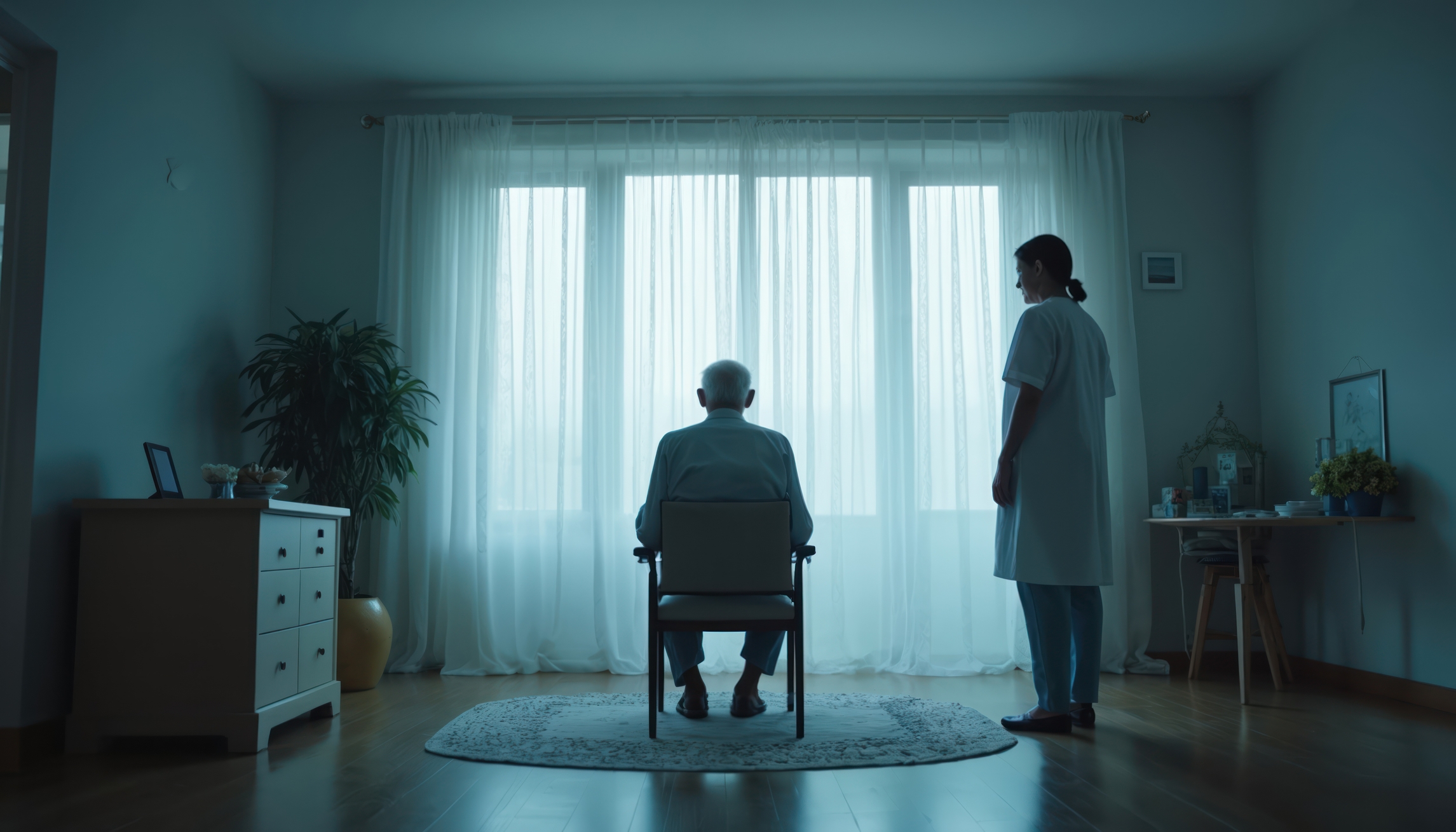
Nursing home protection of your family member needs more than your belief in the facility. The situation requires you to stay alert while being quick to notice when something isn’t right. The detection of elder mistreatment and carelessness becomes challenging because these issues arise gradually until they reach a dangerous point of discovery.
Families need to actively participate in risk education while they learn to identify the initial signs of danger. The implementation of a structured strategy enables facilities to handle problems while they maintain operational efficiency to address urgent matters. Here is how to address elder abuse and negligence in nursing homes.
Understand the Different Forms of Elder Abuse
Elder abuse is not always visible and can happen in several ways. What’s crucial is your swiftness as a family to know the various forms, which will guide you on how to act. The different forms of abuse need to be discovered, as they help you stay alert to abusive situations that need your immediate action. The most common types of abuse include:
- Physical abuse: This includes violent actions or using improper restraint methods
- Emotional abuse: This can be acts that use intimidation, humiliation, and isolation to harm others
- Neglect: This is the failure to provide adequate food, hygiene, medical care, or supervision
- Financial abuse: This unauthorised use of funds or assets
Understand Your Legal Options
The legal system becomes necessary to bring justice to victims who have suffered harm from their abusers. Nursing home facilities require legal protection for their patients through the provision of safe medical treatment and nursing services. The knowledge of case development helps families choose between available options. The existence of a strong claim depends on the following elements:
- Establishing that the facility owed a duty of care
- Showing that this duty was breached
- Proving the breach caused harm
- Demonstrating measurable damages
The legal process becomes clear through the guidance of legal professionals from reputable firms such as Stebner Gertler & Guadagni, experienced in elder abuse. They will help in gathering evidence, consulting medical experts to prove the abuse or negligence. The strength of your case depends on proper evidence and how structured your legal approach is. Competent attorneys know how to customise the legal assistance.
Stay Actively Involved in Care
Your presence at the facility is important in several ways, one being checking on your relative’s health status. It also paves the way for building relationships with the staff. The visitors create a situation in which caregivers must maintain their work standards to protect their reputation.
This also ensures sound and constant communication, which is great for caregiving. Staff members require you to participate in discussions about the care. It’s through this consistency that it becomes easy to identify evolving needs, allowing accurate adjustment of the care plan.
Recognise Warning Signs Early
Residents unable to express themselves require their families to observe their physical state and behavioural changes. The process of observing the situation requires visitors to view the area closely because even minor changes can indicate substantial problems. Watch for the following signs:
- Unexplained bruises, cuts, or frequent injuries
- Sudden mood changes, such as withdrawal or anxiety
- Poor hygiene or noticeable weight loss
- Bedsores or untreated medical conditions
- Missing belongings or unusual financial activity
The presence of even one indicator requires further examination to understand the situation better. Your prompt action has the power to stop future incidents while safeguarding your family member from continuous damage.
Document and Report Concerns Promptly
The creation of thorough records establishes persistent behaviour patterns that serve as proof during future procedures. Facilities need to handle all complaints properly, as this echoes their desire to fulfil their responsibilities. The situation requires you to record all specific information, which includes the time and date of each incident, together with all details about what happened.
Your documentation receives more strength through the combination of medical record copies and staff communication records with medical records. The reporting of problems to management needs to happen without delay, and when necessary, reporting should proceed to the appropriate authorities.
Take Immediate Action to Protect Your Loved One
Your primary concern should remain on protecting your loved one throughout your legal obligations. Immediate action is required when there is proof of imminent danger to stop further damage from occurring. The situation requires a person to request a transfer to another facility or to obtain an independent medical evaluation.
When family members participate in the decision-making process, they create a system that enables better decision-making through their additional support. The process requires ongoing monitoring after issue resolution to check whether treatment standards are being maintained. Your decisive actions will create a protective environment for your loved one while establishing the need for responsibility at care facilities.
Endpoint
Elder abuse and negligence at nursing homes become manageable through constant monitoring, which needs immediate attention. Families have a critical responsibility to detect potential dangers, which helps them ensure appropriate medical treatment. You will resolve all problems that arise through your active participation and ability to identify warning signs, and your complete record of all suspicious activities. Your legal path knowledge establishes which methods you should use to achieve justice when it becomes necessary in your situation.
Disclaimer
The information in this article is intended for general guidance only and should not be regarded as legal, medical, or professional advice. While Open MedScience aims to publish accurate and up-to-date content, no representation or warranty is made regarding the completeness, accuracy, or applicability of the information to individual cases. Readers should seek advice from qualified professionals before taking or refraining from any action. If elder abuse, neglect, or immediate danger is suspected, contact emergency services, safeguarding authorities, or an appropriate legal adviser straight away. References to third-party organisations, professionals, or firms do not imply endorsement.