
Key Takeaways
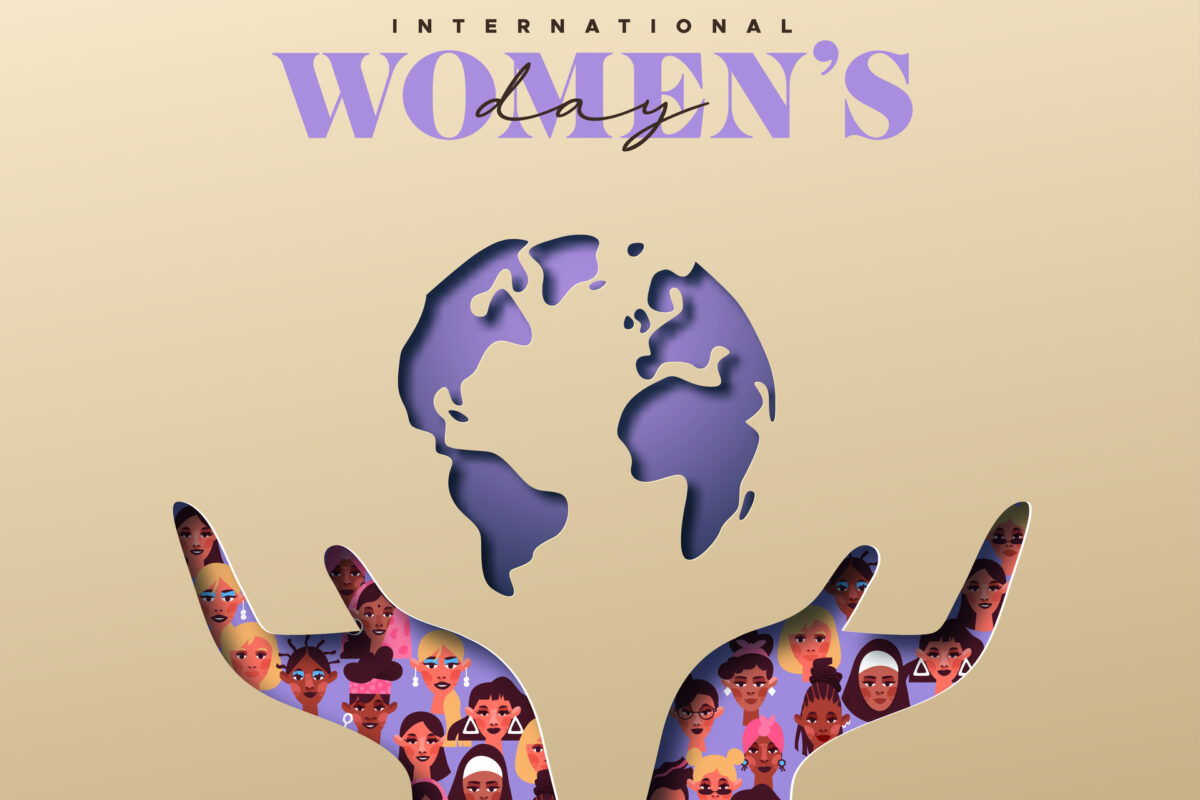
- International Women’s Day highlights women’s achievements in medical imaging and their impact on disease detection.
- Pioneering figures like Marie Curie and Rosalind Franklin shaped the foundations of modern medical technologies.
- Today, women advance innovations in AI, molecular imaging, and cancer diagnostics, enhancing patient care.
- Diverse representation in imaging science fosters collaboration and drives research priorities forward.
- Women are increasingly taking on leadership roles, mentoring the next generation and ensuring inclusivity in healthcare.
Introduction
Each year, International Women’s Day highlights the achievements of women across science, healthcare, and technology. In medical imaging, women have played an important role in shaping how diseases are detected and understood. Their contributions range from the early foundations of imaging science to the development of modern technologies that support precision medicine and advanced diagnostics.
The history of imaging science includes pioneering women whose discoveries helped establish the scientific principles behind modern medical technologies. Among them is Marie Curie, whose groundbreaking work on radioactivity laid the foundations for nuclear medicine and molecular imaging. Her research made it possible to understand how radioactive substances could be used to investigate biological processes inside the body. Another influential scientist was Rosalind Franklin, whose work using X-ray diffraction produced detailed images of molecular structures and demonstrated the power of imaging techniques in biological research.
These early discoveries helped establish the scientific principles that underpin many modern imaging technologies. Today, women continue to contribute to advances across radiology, nuclear medicine, biomedical engineering, and imaging informatics. Their work is driving innovation in artificial intelligence, molecular imaging, cancer diagnostics, and population health research.
The Expanding Role of Women in Imaging Science
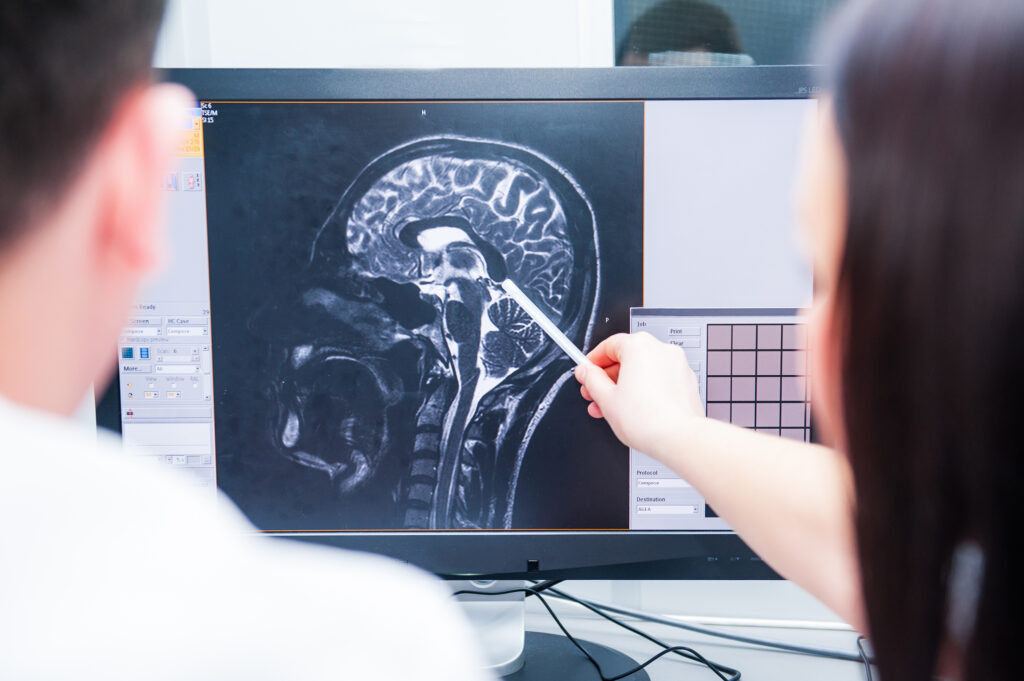
Medical imaging has evolved significantly over the past several decades. Technologies such as magnetic resonance imaging (MRI), computed tomography (CT), ultrasound, and positron emission tomography (PET) are now essential tools for diagnosing disease and guiding treatment.
As these technologies have advanced, the number of women working in imaging-related disciplines has steadily increased. Women now contribute across multiple areas of imaging science, including clinical radiology, radiography, medical physics, biomedical engineering, and data science.
This growing representation has broadened the perspectives that influence imaging research and clinical practice. Diverse research teams often bring new approaches to scientific challenges, encouraging innovation and collaboration across disciplines. Women are also taking on increasing leadership roles within research institutions, hospitals, and professional societies that guide the future direction of imaging science.
Artificial Intelligence and the Evolution of Diagnostic Imaging
One of the most transformative developments in modern medical imaging is the integration of artificial intelligence (AI) into diagnostic workflows. AI systems can analyse large volumes of imaging data and identify patterns that may not be immediately visible to the human eye.
Machine learning algorithms can analyse images from MRI, CT, and mammographic scans to detect early signs of disease. These systems can highlight suspicious regions within images, assist clinicians with interpretation, and support more accurate diagnoses.
Artificial intelligence is also enabling the automated measurement of imaging biomarkers. These biomarkers provide valuable information about tumour characteristics, disease progression, and treatment response. By analysing subtle patterns in imaging data, AI systems can help clinicians identify disease at earlier stages.
Rather than replacing medical professionals, AI tools are designed to support clinicians by reducing routine workload and providing additional diagnostic insight. This allows healthcare professionals to focus more on patient care and complex clinical decision-making.
Molecular Imaging and Precision Medicine
Medical imaging is increasingly moving beyond anatomical visualisation toward observing biological processes within the body. This field, known as molecular imaging, allows clinicians to study how diseases develop and respond to treatment at the cellular and molecular levels.
Molecular imaging techniques use specialised tracers or contrast agents that interact with specific biological targets. When these tracers accumulate in certain tissues, imaging systems can detect their signals and produce images that reveal underlying biological activity.
These techniques are particularly valuable in cancer diagnosis and treatment. Molecular imaging can help clinicians determine whether a tumour expresses specific biological markers and how aggressively it may behave. This information supports the development of personalised treatment strategies.
The integration of molecular imaging with targeted therapies has also led to the emergence of radiotheranostics, where imaging and therapy are combined to both detect and treat disease using related compounds.
Advances in Cancer Imaging and Screening
Medical imaging plays a critical role in cancer screening and early detection. Early diagnosis significantly improves treatment outcomes, making imaging technologies essential tools in modern healthcare.
Researchers continue to develop new imaging techniques that allow tumours to be detected at earlier stages. Improvements in imaging resolution, contrast agents, and image analysis have enhanced clinicians’ ability to identify subtle abnormalities that may indicate disease.
Advanced imaging technologies can also provide information about tumour biology, blood supply, and metabolic activity. These insights help clinicians distinguish between benign and malignant conditions and guide treatment decisions.
In addition, research is exploring personalised screening strategies based on individual risk factors. By tailoring screening programmes to each patient’s needs, healthcare systems may improve diagnostic accuracy while reducing unnecessary procedures.
Population Imaging and Large-Scale Health Studies
Another important development in imaging research involves large population-based imaging studies. These initiatives collect imaging data from thousands of participants and combine it with genetic, lifestyle, and health information.
Such datasets provide researchers with valuable opportunities to study how diseases develop across populations. By analysing imaging patterns across large groups of individuals, scientists can identify biomarkers that may predict disease risk or detect early structural changes in organs.
Population imaging studies also support the development of artificial intelligence systems. Machine-learning algorithms require large datasets to recognise patterns associated with specific diseases. Large imaging databases, therefore, play an important role in training and validating these technologies.
These initiatives represent an important step toward data-driven healthcare, where imaging data can support early diagnosis, prevention strategies, and personalised treatment.
Patient-Centred Innovation in Imaging
Technological advances in medical imaging are not limited to diagnostic performance. Researchers are also exploring ways to improve the experience of patients undergoing imaging procedures.
Many imaging examinations require patients to remain still for extended periods or enter confined scanning environments. For some individuals, these conditions can cause anxiety or discomfort. As a result, scientists and clinicians are developing imaging systems that prioritise patient comfort and accessibility.
Innovations include quieter MRI scanners, faster imaging sequences, and improved communication strategies during examinations. Imaging facilities are also exploring ways to create more welcoming environments for patients of all ages and backgrounds.
These developments reflect a broader commitment within healthcare to design technologies that support both clinical effectiveness and patient wellbeing.
Leadership and the Future of Imaging
Women are increasingly shaping the direction of imaging science not only through research but also through leadership. Many now hold senior positions within universities, hospitals, and international professional organisations.
These leadership roles enable women to influence research priorities, support interdisciplinary collaboration, and mentor the next generation of imaging professionals. Mentorship programmes and professional networks are helping encourage more women to pursue careers in radiology, imaging science, and biomedical engineering.
Greater representation in leadership also helps ensure that healthcare technologies reflect the needs of diverse patient populations. By promoting inclusive research environments and encouraging collaboration across disciplines, the imaging community can continue to advance innovation while strengthening the profession.
Conclusion
Medical imaging continues to transform modern healthcare by enabling earlier diagnosis, more accurate disease characterisation, and personalised treatment strategies. Advances in artificial intelligence, molecular imaging, and population health research are expanding the possibilities of diagnostic medicine.
From the pioneering discoveries of scientists such as Marie Curie and Rosalind Franklin to the many researchers and clinicians advancing imaging today, women have played an important role in shaping this field.
As we recognise International Women’s Day, it is important to celebrate these contributions and the collective progress achieved by women in imaging science. Their work continues to improve patient care, expand scientific knowledge, and drive innovation in healthcare around the world.
The future of medical imaging will depend on collaboration, creativity, and diverse perspectives. With women contributing across research, clinical practice, and leadership, the field is well-positioned to continue advancing technologies that improve health outcomes for patients everywhere.
Disclaimer
This article is published by Open MedScience to recognise International Women’s Day and highlight the contributions of women in medical imaging and related scientific fields. The content is intended for educational and informational purposes only and reflects a general overview of historical and contemporary developments in imaging science. While every effort has been made to present accurate information, the article does not represent an exhaustive account of all individuals or contributions within the field. The views expressed are not intended to substitute professional, clinical, or technical advice.