
Choosing to straighten your teeth as an adult is a big decision, and today’s options make it easier than ever to find a solution that fits your lifestyle. From nearly invisible aligners to more traditional metal braces, each method has its own advantages. Understanding the differences can help you choose the right type of treatment for your needs. Beyond aesthetics, your choice can impact comfort, treatment duration, and long-term oral health, making it important to weigh all factors carefully.
Understanding Invisible Braces for Adult Braces
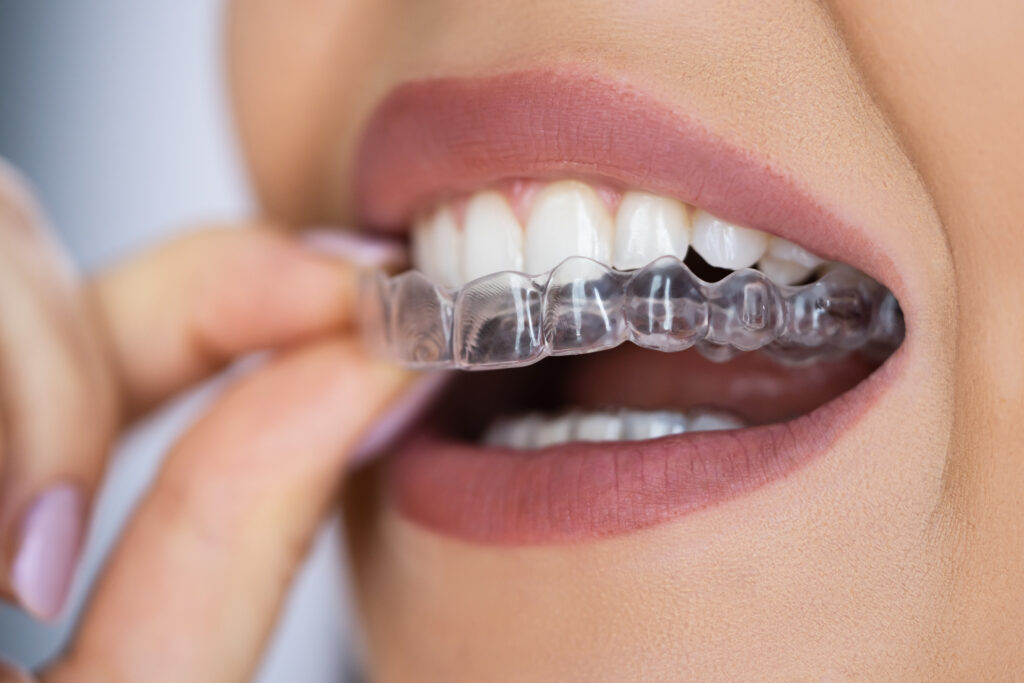
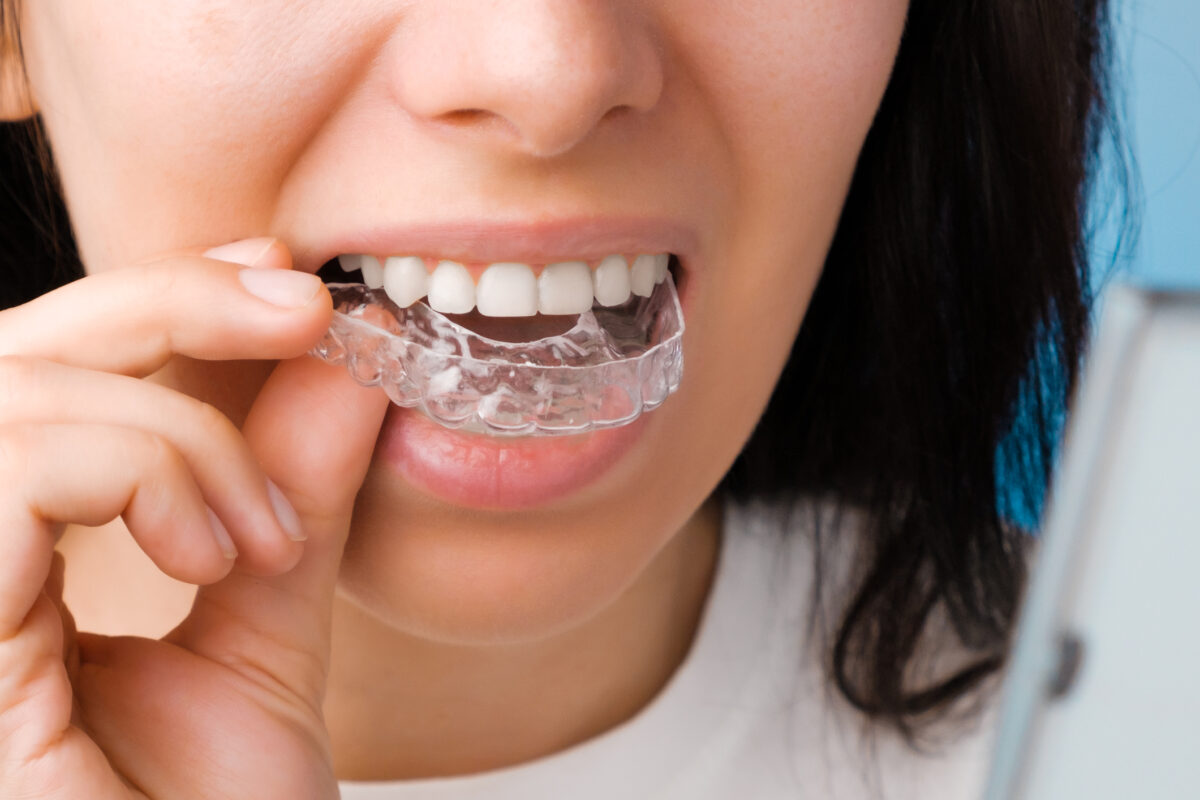
Invisible braces, often in the form of clear aligners, are designed to be discreet and removable. They are custom-made trays that gradually shift your teeth into alignment over time using controlled, incremental movements—making them a popular option among those exploring adult braces.
One of the biggest advantages of invisible options is their aesthetic appeal. Many adults prefer them because they are barely noticeable, making them ideal for professional or social settings. Whether you’re attending meetings, events, or simply going about your daily routine, aligners allow you to maintain confidence without drawing attention to your treatment.
They also allow you to remove them while eating or brushing, making it easier to maintain oral hygiene than with fixed braces. You won’t need to navigate around brackets and wires when flossing or brushing, reducing the risk of plaque buildup.
However, they require discipline. Since they must be worn for 20–22 hours a day to be effective, consistency is key to achieving desired results. Skipping wear time or forgetting to put them back in after meals can delay progress. Additionally, aligners may not be suitable for more complex dental cases, such as severe bite misalignment or significant tooth rotation.
How Traditional Braces Work
Traditional braces use metal brackets and wires to apply continuous pressure on the teeth, gradually moving them into the correct position. They are a tried-and-tested solution that has been used for decades and continues to evolve with more comfortable and efficient designs.
While they are more visible than other options, traditional braces are highly effective for treating complex dental issues, such as severe misalignment, overcrowding, or bite problems. Because they are fixed to your teeth, they work around the clock without relying on patient compliance.
Modern versions of traditional braces are also smaller and less bulky than earlier designs, making them more comfortable. Some patients even have the option of ceramic braces, which are less noticeable than metal ones while still offering similar effectiveness.
However, they require more care with oral hygiene. Food can easily get trapped around brackets and wires, so regular cleaning and maintenance are essential. There may also be some dietary restrictions, as hard or sticky foods can damage the braces.
Comparing Comfort, Cost, and Effectiveness
When deciding between invisible and traditional braces, several factors come into play:
- Comfort: Clear aligners are generally smoother and less likely to irritate the gums, while metal braces may cause initial discomfort or soreness after adjustments
- Appearance: Invisible braces offer a discreet look, making them popular among adults, while traditional braces are more noticeable
- Effectiveness: Traditional braces are often better for complex cases, while aligners work well for mild to moderate alignment issues
- Cost: Prices can vary depending on treatment length and complexity, but both options are available at different price points
- Maintenance: Aligners require regular cleaning and careful handling, while braces need consistent oral hygiene and occasional adjustments by a dentist
Another important factor is treatment time. In some cases, traditional braces may work faster for complex issues, while aligners may take longer if not worn consistently.
Lifestyle Considerations and Daily Impact
Your lifestyle plays a significant role in determining which option is right for you. If you have a busy schedule or frequently attend social or professional events, the subtle appearance of invisible aligners may be more appealing.
On the other hand, if you prefer a “set it and forget it” approach, traditional braces may be more convenient since they don’t require daily removal or tracking wear time. This can be especially beneficial for individuals who may struggle with consistency.
Eating habits are another consideration. With aligners, you can enjoy your favourite foods without restriction since they are removed during meals. Traditional braces, however, require avoiding certain foods, such as hard candies, popcorn, and sticky snacks.
Speech may also be temporarily affected with aligners, especially during the initial adjustment period. Most people adapt quickly, but it’s worth keeping in mind if your work involves frequent communication.
Which Option Is Best for You?
The right choice depends on your priorities, dental condition, and level of commitment. If you value discretion, flexibility, and easier hygiene, invisible braces may be the better option. If your case is more complex or you prefer a fixed solution that doesn’t rely on daily discipline, traditional braces might be more effective.
A consultation with a dental professional is essential. They can assess your teeth, discuss your goals, and recommend the most suitable treatment based on your specific needs. Personalised advice ensures that you not only achieve a straighter smile but also maintain long-term oral health.
Final Thoughts
Both invisible and traditional braces offer effective ways to achieve a straighter, healthier smile. The key is to choose a solution that aligns with your needs, preferences, and lifestyle. While invisible aligners provide convenience and discretion, traditional braces offer reliability and strength for more complex cases.
With the variety of options available today, finding the right solution has never been more accessible. By understanding the differences and considering your daily habits and goals, you can confidently take the next step toward improving your smile and overall dental health.
Disclaimer
This article is published by Open MedScience for general informational and educational purposes only and does not constitute dental, orthodontic, or medical advice. The content should not be used as a substitute for professional diagnosis, treatment, or personalised guidance from a qualified dentist, orthodontist, or other regulated healthcare professional. Treatment suitability, costs, outcomes, and timescales can vary widely depending on individual dental needs and clinical circumstances. Readers should seek advice from a suitably qualified professional before making any decision about braces, aligners, or other dental treatments. Open MedScience makes no guarantees regarding treatment results and accepts no liability for any loss or damage arising from reliance on the information contained in this article.