
Are your patients showing signs of red or swollen gums around their dental implants?
Peri-implant mucositis is a common problem that can lead to bone loss if left untreated.
Understanding Peri-Implant Mucositis
Peri-implant mucositis is a common problem around dental implants. It shows as redness and swelling in the gums without affecting the bone.
Definition and key features
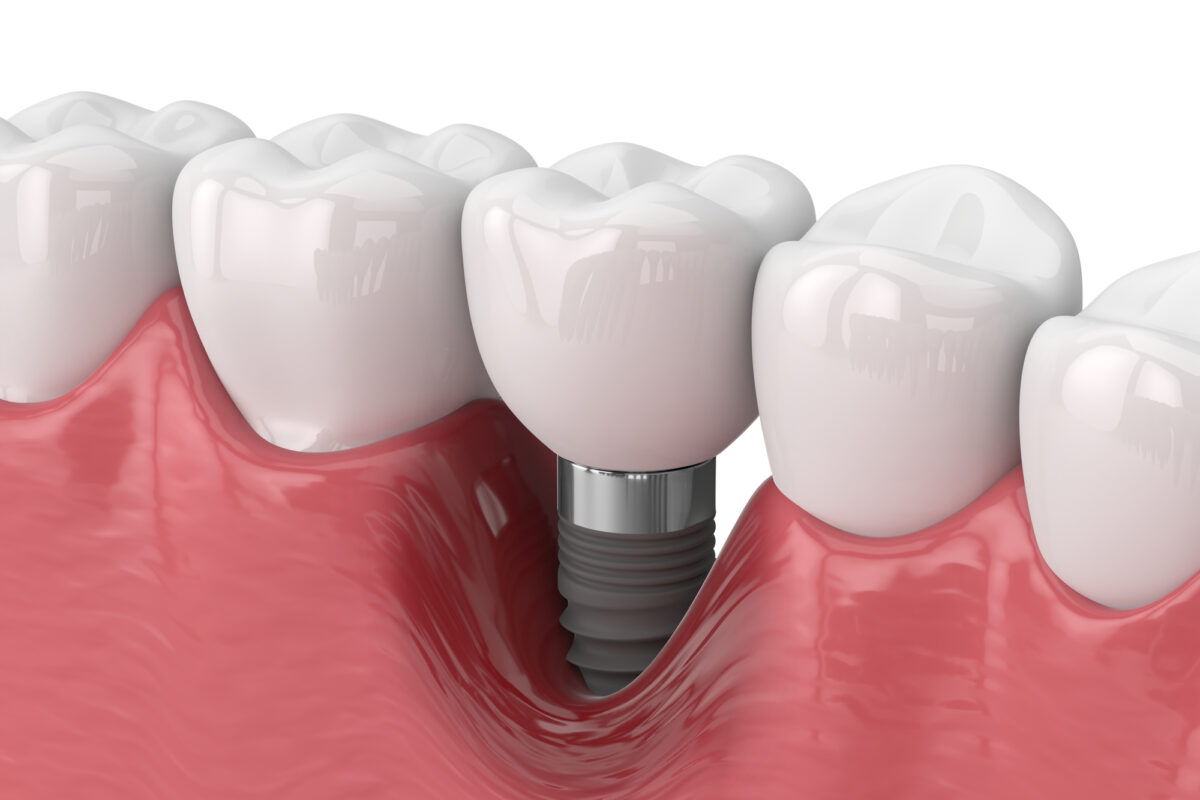
Peri-implant mucositis is a form of soft tissue inflammation that affects the gums around dental implants. This condition shares features with gingivitis, showing red or tender gums near the implant site.
Symptoms include swelling and bleeding on probing, but there is no bone loss present at this stage.
Left untreated, peri-implant mucositis can progress to peri-implantitis. At that point, both soft tissue inflammation and advanced bone loss occur around the implant site. Good oral hygiene and professional cleaning at least twice a year help prevent and treat this early stage of peri-implant disease.
Early intervention allows for full reversal of symptoms before permanent damage sets in.
According to clinical guidance from South Edmonton Dental, appropriate care can reverse peri-implant mucositis, whereas inadequate management may allow the condition to progress and ultimately result in implant failure.
Differences between peri-implant mucositis and peri-implantitis
Both peri-implant mucositis and peri-implantitis affect the tissues around dental implants, but they differ in severity, features, and treatment approaches. The following table summarises key distinctions for clinical reference:
| Feature | Peri-Implant Mucositis | Peri-Implantitis |
| Definition | Inflammation of the soft tissue surrounding an implant without bone loss. | Inflammation of the tissue with associated bone loss around the implant. |
| Key Clinical Signs | Redness, swelling, and tenderness of the gums near the implant site. | Red, swollen gums, plus bone loss visible on radiographs, possible pus or mobility. |
| Prevalence | Common in patients with suboptimal oral hygiene. | Less common, but it can develop if mucositis is untreated. |
| Reversibility | Reversible with proper care and regular professional cleaning at least twice a year. | Not reversible; requires surgical and complex interventions. |
| Bone Involvement | No bone loss present. | Bone loss evident around the implant. |
| Risk of Implant Failure | Low if managed promptly. | High; can cause implant failure and removal if untreated. |
| Main Objective in Treatment | High levels can cause implant failure and removal if untreated. | Arrest bone loss and manage infection; often needs surgery. |
| Treatment Approach | Surgical intervention is typically required for bone regeneration and infection control. | Eliminate biofilm from the implant surface. |
| Progression | Considered the precursor to peri-implantitis. | Represents advanced disease after mucositis. |
Recognising these differences is crucial for early diagnosis, which leads directly to understanding causes and risk factors.
Causes and Risk Factors
Poor oral care can lead to problems around dental implants. Smoking and certain health issues also increase the risk of peri-implant mucositis.
Poor oral hygiene
Bacterial biofilm forms quickly around dental implants if oral hygiene is not kept up. This leads to inflammation and can cause peri-implant mucositis, which looks like red or sore gums near the implant.
Studies show that professional cleaning at least twice a year helps control biofilm and lower the risk.
Plaque build-up is the main risk factor for peri-implant disease. When plaque remains on implant surfaces, it increases the likelihood of soft tissue breakdown and bone loss. The primary objective in treating peri-implant mucositis is to remove biofilm from the implant surface. Effective brushing, flossing, and regular dental visits help prevent progression to peri-implantitis, which may require surgical treatment if not managed early through good home care and nonsurgical therapies such as mechanical debridement.
Smoking and systemic conditions
Smoking and systemic conditions increase the risk of peri-implant mucositis. Tobacco use can harm gum health and delay healing. It leads to inflammation around dental implants. This inflammation makes it harder to maintain good oral hygiene.
Certain systemic conditions also play a role in peri-implant disease. Diabetes, cardiovascular issues, and autoimmune disorders can worsen soft tissue health. These factors can heighten the chance of infection around implants, leading to complications such as bone loss if untreated.
Regular monitoring is essential for those who smoke or have these conditions to prevent progression from mucositis to more severe stages like peri-implantitis.
Early Diagnosis and Prevention Strategies
Early diagnosis is key to managing peri-implant mucositis. Regular dental check-ups help catch signs of inflammation early, ensuring better outcomes for patients.
Recognizing clinical signs
Peri-implant mucositis is a condition that can be mistaken for gum disease. Early recognition of its signs is vital for effective treatment.
- Look for redness around the implant site. This inflammation indicates the presence of peri-implant mucositis.
- Check for tenderness in the gums. Tenderness during probing can signal soft tissue inflammation.
- Assess for bleeding on probing. This is a common sign and signals that oral hygiene may not be sufficient.
- Note any swelling in the tissues surrounding the implant. Swelling can indicate ongoing inflammation.
- Observe for plaque accumulation on the implant surface. A biofilm build-up increases the risk of peri-implant complications.
- Measure pocket depth around the implant with a periodontal probe. Depths greater than 3 mm are concerning and require attention.
- Examine patient-reported symptoms like soreness or discomfort at the implant site. Such complaints can help identify mucositis early.
Timely identification enables swift intervention, helping to reverse peri-implant mucositis before it develops into more serious conditions like peri-implantitis, which involves bone loss around the implant site. Regular dental visits and professional cleaning play important roles in managing these clinical signs effectively.
Importance of regular dental check-ups
Regular dental check-ups are vital for maintaining oral health. Patients should visit their dentist at least twice a year for professional cleaning. These visits help to remove plaque and tartar that regular brushing might miss.
Early diagnosis of issues, like peri-implant mucositis, is critical. If detected early, this condition can often be reversed with proper care.
Good oral hygiene practices are essential in preventing diseases around dental implants. During check-ups, dentists can identify signs of inflammation or infection before they worsen.
This proactive approach helps avoid bone loss and implant failure later on. Keeping these appointments supports both the patient’s health and the success of any procedures performed.
Treatment Options for Peri-Implant Mucositis
Nonsurgical treatments include mechanical cleaning to remove plaque and calculus from the implant site. Photodynamic therapy is another option that uses light to reduce inflammation and promote healing in the tissues around implants.
Nonsurgical treatments like mechanical debridement
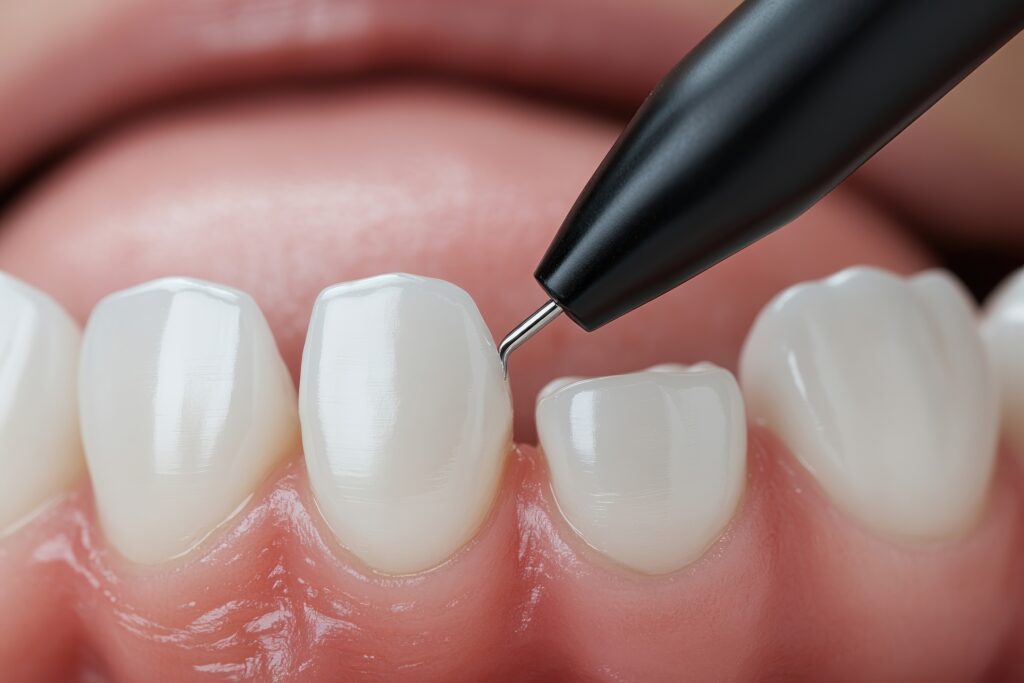
Mechanical debridement is a key nonsurgical treatment for peri-implant mucositis. This method helps to remove biofilm from the implant surface. The goal is to reduce inflammation and improve tissue health.
Regular professional cleaning can reverse peri-implant mucositis if performed at least twice a year.
Using mechanical tools, dentists can clean around the implant without causing damage. It eliminates harmful bacteria that lead to inflammation. With early diagnosis and timely intervention, clinicians can effectively manage this condition before it advances to peri-implantitis, which often requires surgical treatment.
Advanced therapies like photodynamic therapy (PDT) may also be considered after mechanical debridement for better results in managing peri-implant diseases.
Advanced therapies such as photodynamic therapy (PDT)
Nonsurgical treatments like mechanical debridement focus on removing biofilm from the implant surface. Advanced therapies, such as photodynamic therapy (PDT), can enhance treatment for peri-implant mucositis.
PDT uses light to activate a photosensitizer agent, which targets bacteria effectively.
This method helps reduce inflammation and promote soft tissue health. Studies show that PDT can improve outcomes in managing peri-implant diseases. Timely intervention with PDT may prevent progression to peri-implantitis, leading to better long-term success for dental implants.
Regular professional cleanings combined with this advanced therapy can maintain oral health around implants efficiently.
Conclusion
Managing peri-implant mucositis is crucial. This condition can lead to more serious issues like peri-implantitis if ignored. Good oral hygiene and regular dental visits help prevent this problem.
Treatment options are available that do not require surgery, making it easier to manage early on. Stay proactive about oral health to protect your implants and maintain tissue health around them.
Disclaimer
The information provided in this article, Managing Peri-Implant Mucositis Before It Becomes Peri-Implantitis, is intended for general educational and informational purposes only. It does not replace professional dental, medical, or clinical advice, diagnosis, or treatment.
Readers should not rely solely on this content to make decisions about their oral health or implant care. Individual conditions vary, and appropriate treatment depends on personal clinical circumstances. Always seek advice from a qualified dental professional or healthcare provider regarding any symptoms, concerns, or treatment options related to peri-implant disease or other oral health conditions.
Open MedScience makes no guarantees about the accuracy, completeness, or outcomes associated with applying the information presented. Any actions taken based on this content are undertaken at the reader’s own risk.
If you experience persistent discomfort, swelling, bleeding, or other symptoms around a dental implant, contact a registered dental professional promptly for proper assessment and care.
home » blog » dentistry »