

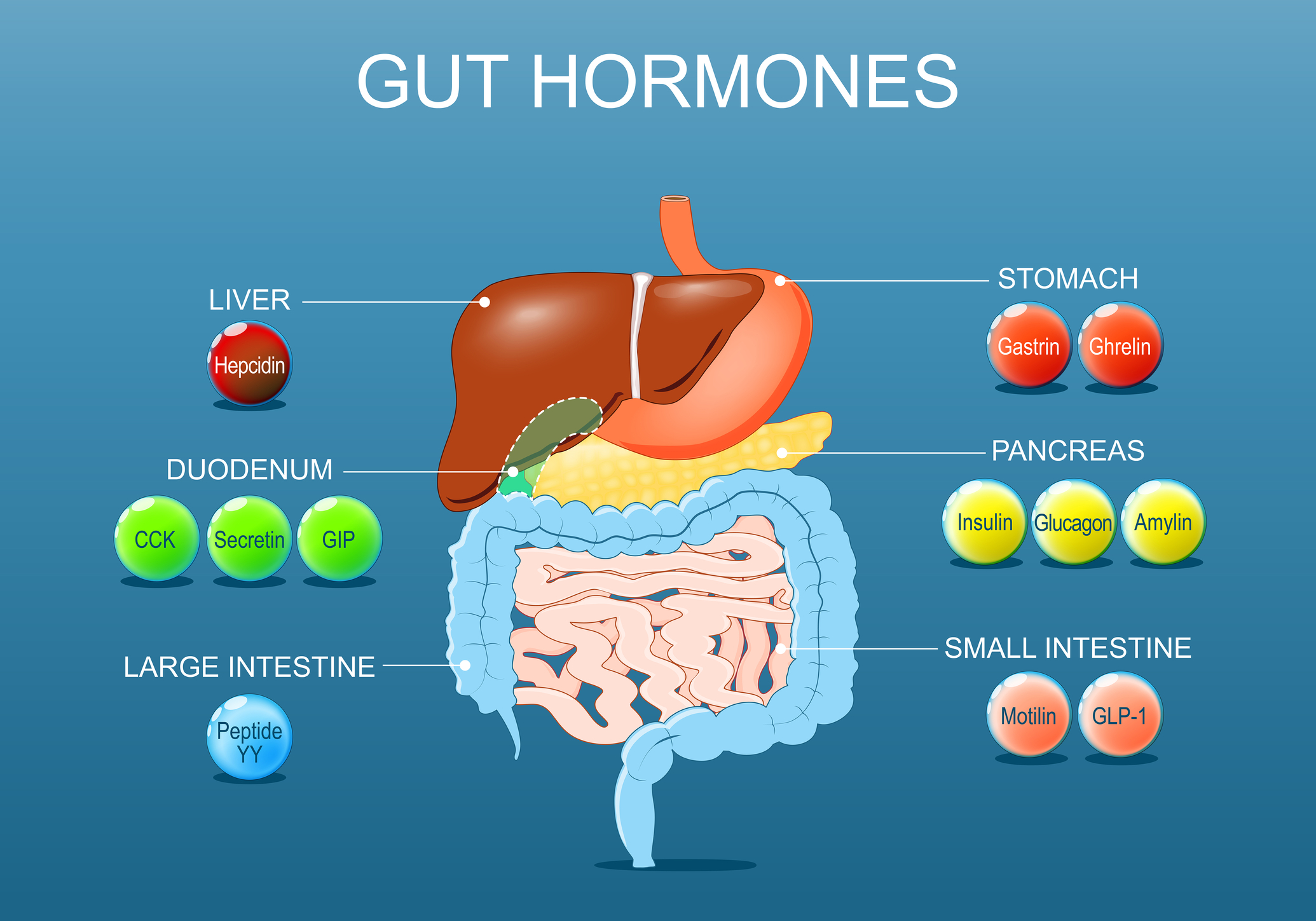
Retatrutide has moved from an experimental curiosity to one of the most closely watched compounds in obesity research. As a triple hormone receptor agonist, it represents a distinct pharmacological strategy compared with earlier single- and dual-agonist therapies, and its trial data are reshaping how researchers think about the ceiling for pharmacological weight reduction.
What Makes Retatrutide Different
Unlike GLP-1-only therapies, retatrutide simultaneously targets the GLP-1, GIP, and glucagon receptors, a mechanism first detailed in the phase 2 trial published in the New England Journal of Medicine. That trial reported that participants receiving the highest dose lost an average of 24.2 percent of body weight over 48 weeks, a result that outpaced most previously approved incretin-based therapies.
The addition of glucagon receptor activity is the key differentiator. Glucagon signalling increases energy expenditure and supports fat oxidation, which may explain why retatrutide’s weight-loss curve has not shown the same plateau seen with GLP-1 monotherapies at comparable trial durations.
From Phase 2 Data to Phase 3 Scale
Phase 2 results are rarely the end of the story, and retatrutide is no exception. The compound has since progressed into the TRIUMPH program, a set of phase 3 trials assessing retatrutide not only for obesity but also for related complications such as obstructive sleep apnea, knee osteoarthritis, and cardiovascular disease. That expansion signals that developers see retatrutide’s relevance extending well beyond the scale alone.
This broader framing matters for anyone following the drug’s trajectory. A compound tested only for weight loss faces a narrower regulatory and commercial pathway than one being evaluated across a cluster of obesity-linked conditions simultaneously.
How Retatrutide Fits Into the Wider GLP-1 Market
Retatrutide is entering a market already reshaped by semaglutide and tirzepatide, and its emergence has renewed the same debate that once surrounded the arrival of GLP-1 drugs generally: whether pharmacological options will reduce demand for other interventions. Our earlier coverage of weight loss medications and their effect on the medical device sector outlined why that displacement has been slower and more nuanced than initial headlines suggested, and the same caution applies to retatrutide’s eventual rollout.
Cost, accessibility, and long-term adherence remain the deciding factors in how far any GLP-1-class drug can penetrate the obesity treatment market, and retatrutide will face the same practical constraints once it reaches commercial availability.
Safety Signals Worth Watching
As with other incretin-based therapies, gastrointestinal side effects such as nausea, vomiting, and diarrhoea have been the most commonly reported adverse events in retatrutide trials. Less common but more closely monitored are transient increases in heart rate during the early weeks of treatment, an effect attributed to the compound’s glucagon receptor activity.
Longer observation windows in the current phase 3 program are expected to clarify whether these cardiovascular signals resolve with continued dosing or persist at a clinically meaningful level. That data will likely shape prescribing guidance more than the headline weight-loss figures.
Why Researchers Are Paying Attention
For laboratories and research groups sourcing retatrutide for non-clinical study purposes, supplier reliability and product verification remain central concerns. Researchers comparing available options can Shop retatrutide through established peptide vendors that provide documentation appropriate for research-use applications.
That sourcing consideration sits alongside the scientific interest in the molecule. Retatrutide’s triple-agonist design offers a genuinely novel mechanism to study, not just an incremental improvement on existing GLP-1 therapies, which is part of why it continues to attract attention across both academic and commercial research circles.
What Comes Next
The next several years will determine whether retatrutide’s early efficacy signals hold up across larger, more diverse populations and longer treatment durations. If the phase 3 program confirms the phase 2 findings, retatrutide could become the first triple agonist to reach approval, setting a new benchmark for what pharmacological weight management can achieve.
Until then, the compound remains firmly in the research and clinical trial phase, with its ultimate role in obesity care still being defined by the data emerging from ongoing studies.
References
- Jastreboff AM, Kaplan LM, Frías JP, et al. Retatrutide Phase 2 Obesity Trial Investigators. Triple-Hormone-Receptor Agonist Retatrutide for Obesity – A Phase 2 Trial. N Engl J Med. 2023 Aug 10;389(6):514-526. doi: 10.1056/NEJMoa2301972.
- Giblin K, Kaplan LM, Somers VK, et al. Retatrutide for the treatment of obesity, obstructive sleep apnea and knee osteoarthritis: Rationale and design of the TRIUMPH registrational clinical trials. Diabetes Obes Metab. 2026 Jan;28(1):83-93. doi: 10.1111/dom.70209.
Disclaimer: This article is provided for educational and informational purposes only and is not intended as medical advice, diagnosis, or treatment. Retatrutide remains under clinical investigation and may not be approved or available for routine clinical use in all countries. Clinical trial findings are subject to further evaluation, and future results may differ from early study outcomes. Individuals should consult a qualified healthcare professional before making decisions about obesity treatment or weight management. References to research suppliers or commercial products are included for informational purposes only and do not constitute endorsement or recommendation by Open MedScience.
home » blog » health matters »