
The use of titanium alloys in biomedical implants has transformed medical technology, providing lightweight, durable, corrosion-free solutions for numerous needs. Currently, titanium is a key material in orthopaedic, dental, and cardiovascular devices, with the specific alloy Ti-Nb-Zr-Fe leading the way. Despite many innovations, the engineering and medical industries still face many challenges with implants and many opportunities for improvement.
Why Titanium Alloys Are So Important in the Medical Sector
Alloys used in implants are made from titanium metal sheet plate stock, which undergoes thermomechanical processing, alloying, and surface modification. Titanium alloys are vital in medicine because they offer high biocompatibility, corrosion resistance, and a lightweight yet strong structure. They also boast an elasticity closer to bone than that of many other metals, and they have strong osseointegration (bone-bonding) properties. Ti-Nb-Zr-Fe (TNZF) alloys are particularly compatible with bone.
Orthopaedic Implants
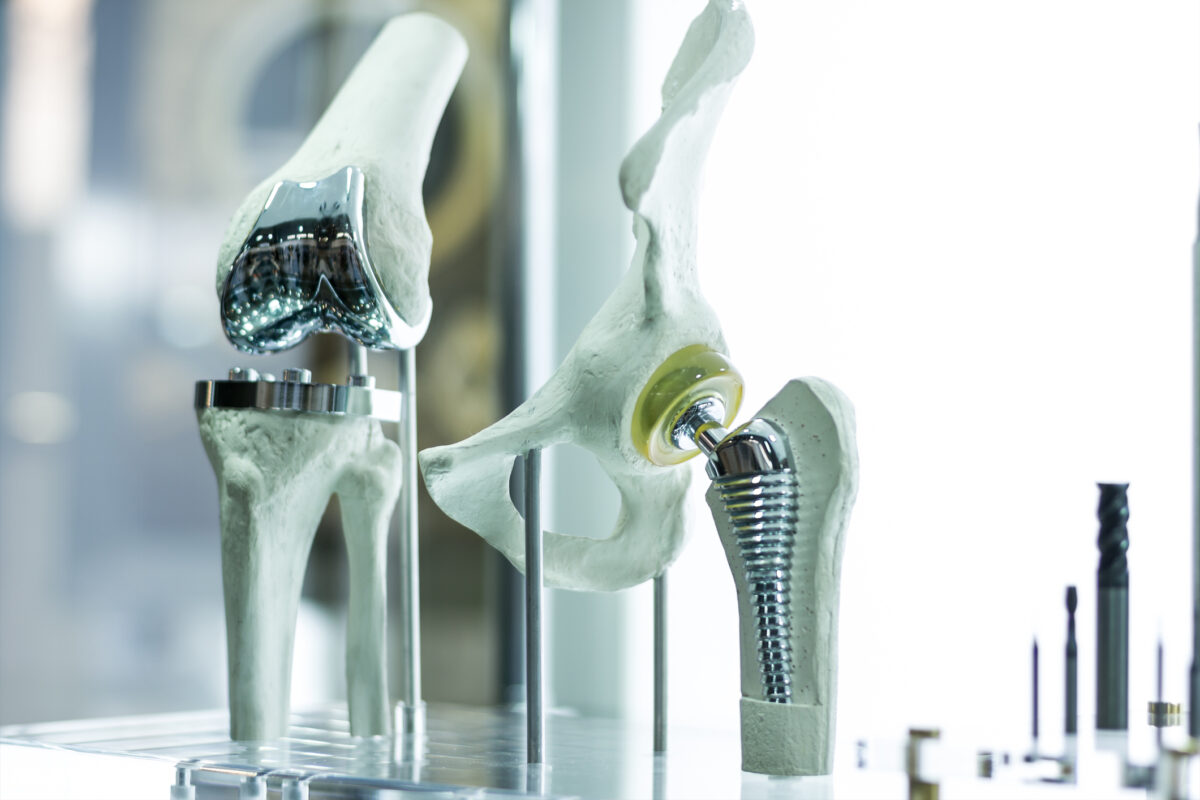
Titanium alloys are currently used in hip and knee replacements, spinal fusion implants, and bone plates and screws. New advances in this area include the development of 3D-printed implants for complete scapular (shoulder blade) replacement and improvements in materials. For instance, innovative porous titanium implants (boasting up to 70% porosity) mimic bone elasticity and promote growth. A process called “severe plastic deformation processing” has improved the fatigue resistance and boosted the strength of titanium alloys by 30-50%. Finally, new TiO2 nanotube surfaces have increased bone attachment by 40% and reduced bacterial colonisation by an impressive 90%.
Dental Implants
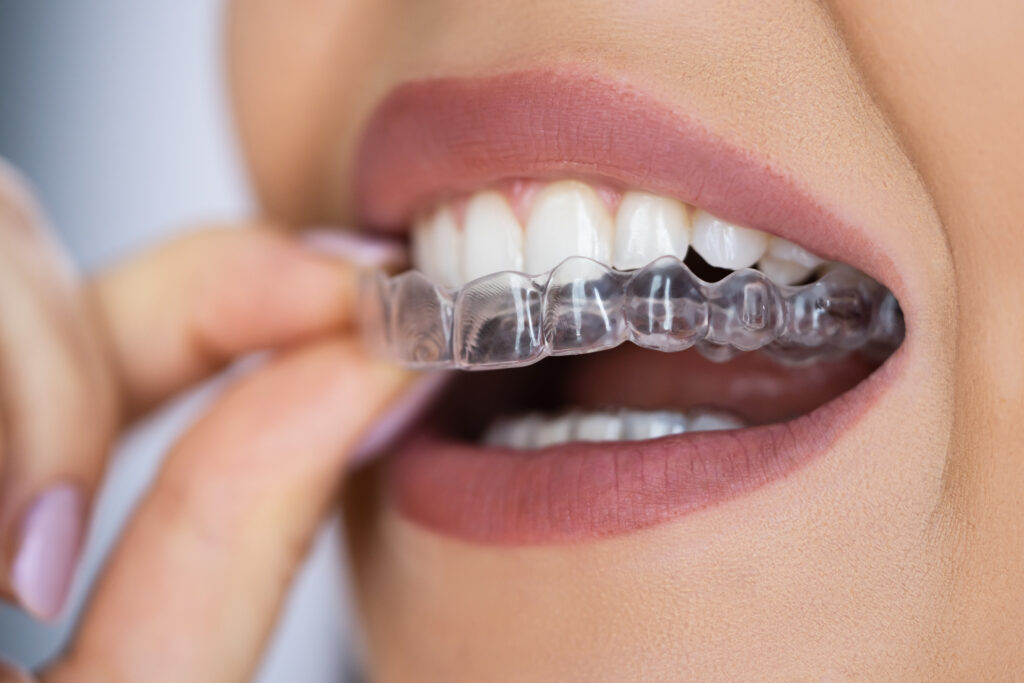
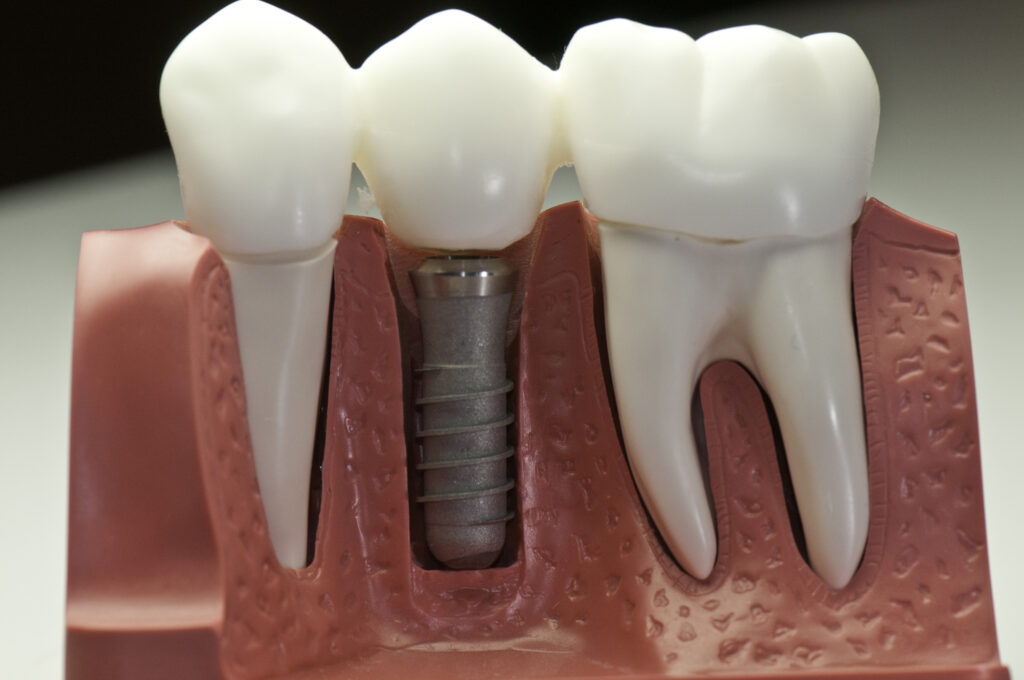
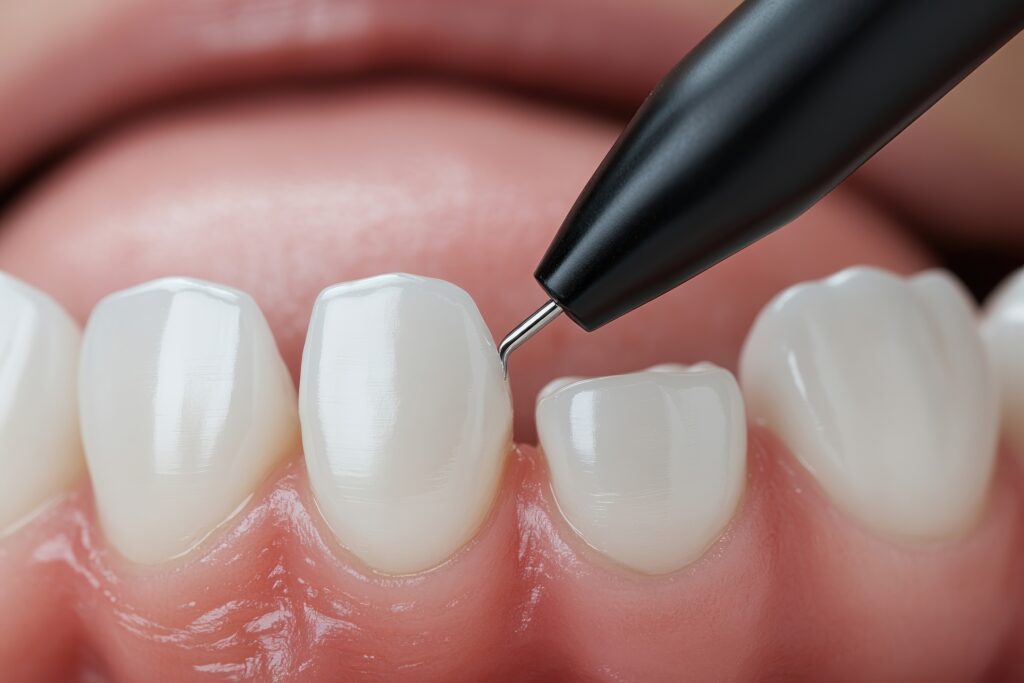
Titanium alloys are vital players in dental prosthetics owing to their superior ability to bond with bone. Recent improvements include cerium-modified alloys, which boost cell adhesion by 12%; additional alloying elements that increase hardness; and laser-sintered implants that now achieve impressive tensile strength. There have also been significant advances in infection control, with silver nanoparticle coatings reducing bacterial growth by over 90% and titanium dioxide (TiO₂) surfaces doped or combined with copper (Cu) reducing bacterial levels by 96%.
Cardiovascular Devices
Titanium alloys are used in dynamic environments, such as areas containing blood vessels. They are typically used in stents and valves, with “shape memory alloys” holding sway. Some alloys used in these devices boast superelasticity. They also exhibit a very low corrosion rate and a device lifespan of over 15 years. Innovations include sensor-integrated, biocompatible Titanium-Niobium (TiNb) with real-time monitoring functions. That is, these implants have sensors that collect and transmit data and are compatible with miniaturised electronics.
Craniofacial and Maxillofacial Reconstruction
Because titanium alloys have a tensile strength of 850–900 MPa and a clinical success rate of over 90%, they are ideal materials for reconstructive surgical procedures such as skull repairs, jaw reconstruction, and orbital implants. In recent times, 3D-printed, customised implants have reduced the need for revision surgeries by 30%.
Areas of Focus for Researchers
Some of the latest emerging uses of titanium alloys include smart implants with embedded sensors that can gauge temperature changes, mechanical stress, and pH. Sensor and antenna technology allow physicians access to the early detection of implant failure and real-time monitoring of healing. Additionally, research is underway into the use of titanium surfaces for the release of medication. For instance, TiO2 nanotube coatings can release drugs gradually, helping physicians prevent infection and enhance bone healing. New coatings and TiO₂ nanotubes are also being used to further reduce implant infections, with some boasting over 90% bacterial reduction. Nanostructured titanium alloys are another area of focus. Reducing the grain size yields a 35% increase in tensile strength and improved corrosion resistance and biological response.
3D-Printed Implants Leading the Way
3D-printed titanium implants offer significant advantages to patients, including customisation, enhanced bone integration, reduced stress shielding, and more complex porous structures. These pores are interconnected, enabling cells and blood to grow through them. Research is also currently focused on increasing sustainability and reducing costs associated with manufacturing titanium implants.
Titanium implants play a key role in improving patients’ health. Currently, physicians focus on four major fields: orthopaedics, dentistry, cardiovascular medicine, and craniofacial and maxillofacial reconstruction. Titanium alloys have several key advantages, including strength, flexibility, porosity, and corrosion resistance. Many new advances are putting this material to the test, with customisation, 3D printing, and innovative coatings leading the way. Environmental sustainability is also a key priority for engineers and physicians relying on this lightweight, sturdy metal.
Disclaimer: This article is for general informational purposes only and does not constitute medical, clinical, or professional advice. Readers should consult a qualified healthcare professional before making any medical decisions.
home » blog » dentistry »