
Most people brush their teeth to avoid cavities or bad breath.
However, an infected mouth can actually send people to hospital beds… or worse. The bacteria in the mouth do not stay in the mouth. They travel around. For hospitalised, elderly or vulnerable patients, those bacteria can mean the difference between getting better or suffering from a serious respiratory infection.
Here is everything you need to know…
What you’ll discover:
- The Hidden Link Between The Mouth And The Lungs
- Why Hospitalised Patients Are Most At Risk
- The Role Of Dental Fillings In Oral Bacterial Control
- Practical Steps For Patients And Caregivers
The Hidden Link Between The Mouth And The Lungs
The mouth is full of bacteria.
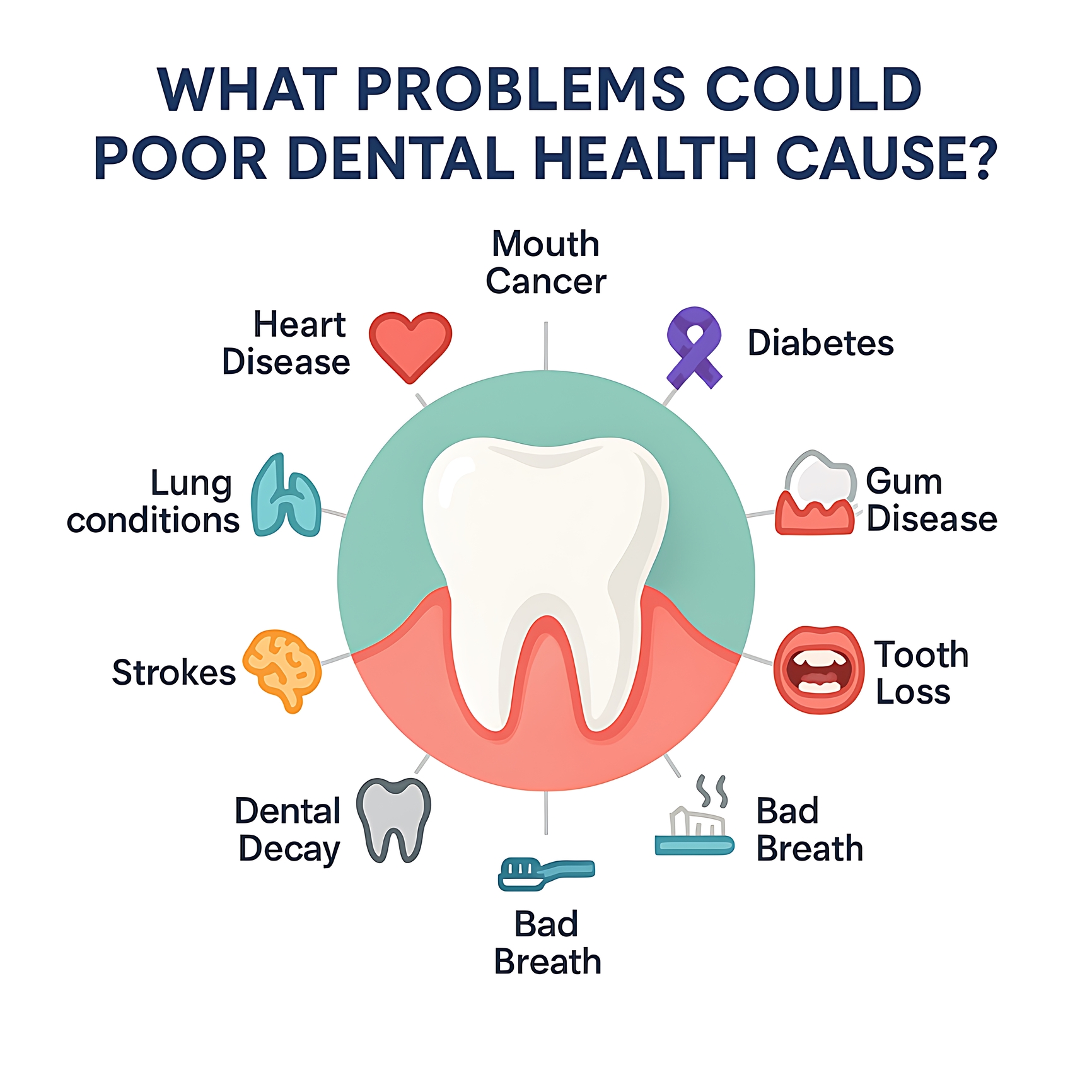
Some of it is harmless. Some of it is not. When the equilibrium is disrupted – because of gum disease, untreated cavities or poor daily brushing – bad bacteria flourish. Then those bacteria get breathed into the lungs and can cause pneumonia.
It’s known as aspiration pneumonia, and it’s way worse than most people think.
Essentially the mouth serves as a holding tank. Plaque accumulates on teeth, dentures and the tongue. Respiratory pathogens such as Staphylococcus aureus, Pseudomonas aeruginosa and Streptococcus pneumoniae happily colonize within that plaque. It’s a short journey down the throat and into the lungs from there.
For a healthy adult with a fully functioning immune system, it’s rarely catastrophic. But for someone who is ill, elderly, or post-op, it can be deadly.
Why Hospitalised Patients Are Most At Risk
Hospitalised patients face a perfect storm of risk factors.
They may not be able to brush their teeth themselves. They may be intubated on a ventilator. Their immune system is compromised. And the longer a patient lies in a hospital bed, their oral microbiome suffers. Research indicates that 23% of plaque samples were positive for respiratory pathogens upon admission, 39% by day 5, and 46% by day 10. Just over one week.
That’s important because hospital-acquired pneumonia is serious business. It’s associated with high mortality rates (upwards of 30% in some cases) and length of stay.
When families have loved ones who are vulnerable, it really helps to find a dentist Gainesville VA they trust before they have to go to the hospital. Having regular cleanings, addressing gum disease and replacing old dental fillings that are starting to fail before they become infected helps patients have a much better baseline. Treating things early — such as a cracked filling that is allowing bacteria to hide — leaves fewer places for dangerous germs to hide when the body is most vulnerable.
Older adults that live in nursing homes are also at risk. Studies show that hospitalisation from community acquired pneumonia was 1.96 to 10 times greater for nursing home residents compared to older adults that live in the community. That’s a huge difference, and a lot of it can be attributed to oral care.
The good news? It’s preventable.
The Role Of Dental Fillings In Oral Bacterial Control
Dental fillings might seem like a small thing.
However, they have an even larger impact on respiratory health than most people realize. Here is why…
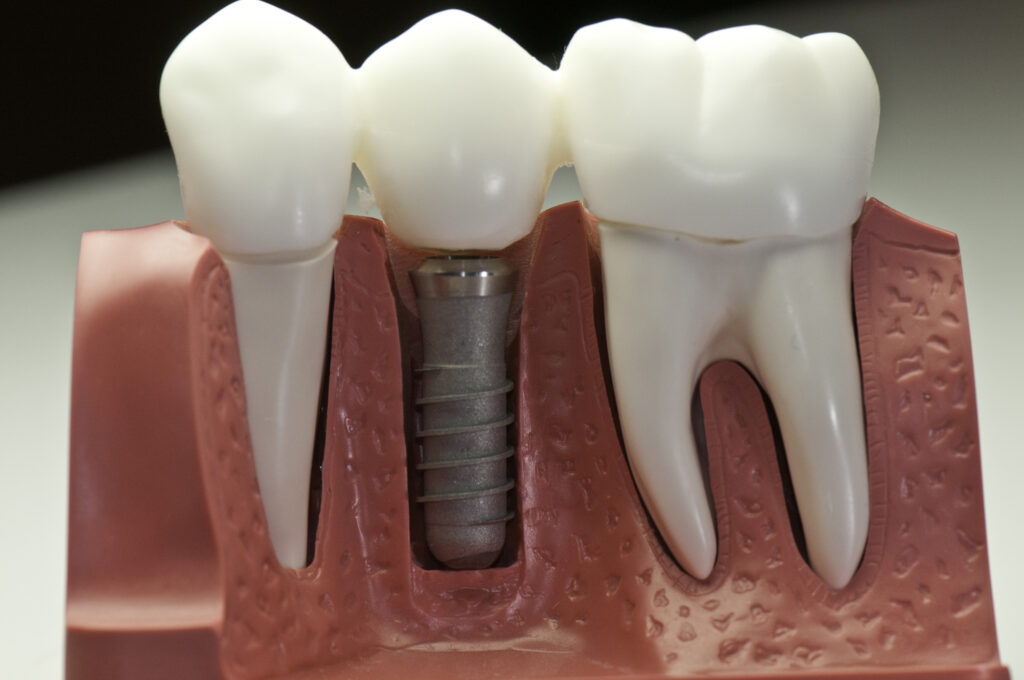
Think of a cavity as a hole in the tooth where bacteria can live. When that cavity is left untreated or when an old filling decays, bacteria get a wonderful place to thrive. Food lodges. Plaque accumulates. The infection may spread to surrounding tissue.
This spells disaster for a hospitalised patient. The mouth becomes a reservoir for respiratory infections.
Dental fillings help by:
- Sealing off cavities — removing the hiding spots where bacteria thrive
- Smoothing the surface of the tooth — making it easier to clean and more difficult for plaque to adhere
- Preventing infection from spreading — stopping bacteria from reaching the gums and bloodstream
- Reducing inflammation — which is linked to a stronger immune response
A well-maintained filling leaves less room for disease-causing microbes to breed. Translation: fewer bacteria — and less chance they’ll end up in the lungs.
This is particularly true for anyone who is about to have surgery or beginning a lengthy hospital stay. Receiving dental fillings assessed in advance should be on par with getting blood work or going over medications before being admitted.
Most people just don’t think about it that way.
Practical Steps For Patients And Caregivers
Ok, but what can be done? As a patient, caregiver, or just plain prospector… These are the things that will help most.
Get A Full Dental Check-Up Before Hospitalisation
When scheduling a stay at the hospital (e.g. for surgery), schedule a dental appointment beforehand. Ensure the dentist checks for:
- Untreated cavities
- Old or damaged dental fillings
- Gum disease
- Loose teeth or failing dentures
Treating these issues before admission reduces the bacterial load in the mouth.
Keep Up With Daily Oral Hygiene In The Hospital
It seems obvious, but it bears repeating. When patients are unable to brush their own teeth, they require assistance. Families, caregivers and nursing staff should ensure oral care is part of each patient’s daily routine. Having a clean mouth is one of the most important protections against pneumonia. According to a systematic review of 4 RCTs, one tenth of deaths from pneumonia in elderly people living in nursing homes might be prevented by improving oral hygiene.
That’s a huge impact from something as simple as brushing teeth properly.
Don’t Ignore Dentures
Dentures need to be cleaned as well. Bacteria can thrive on the surface of dentures. Dirty dentures can contribute to respiratory pathogens. Be sure to soak them daily and scrub them clean.
Treat Gum Disease Early
Periodontal disease is much more than an oral health problem. It is an infection that causes inflammation in the body. Addressing gum disease early lessens exposure to bacteria and potential future problems.
Final Thoughts
The connection between oral health and respiratory infections is the least talked about subject in healthcare.
A healthy mouth equals reduced risk of pneumonia, shortened hospital stays and better outcomes for vulnerable patients. Let’s review in brief:
- The mouth is a reservoir for bacteria that can travel to the lungs
- Hospitalised and elderly patients are most at risk
- Dental fillings play a key role in controlling oral bacteria
- Regular dental check-ups before hospitalisation can save lives
- Daily oral hygiene matters — even (especially) in a hospital bed
When you brush your teeth next time, don’t think about just having a nice smile. Think about protecting your lungs as well.
Disclaimer: This article is for informational purposes only and does not constitute medical or dental advice. Readers should consult qualified healthcare professionals regarding any medical or oral health concerns. Open MedScience is not responsible for any actions taken based on the information provided in this article.