

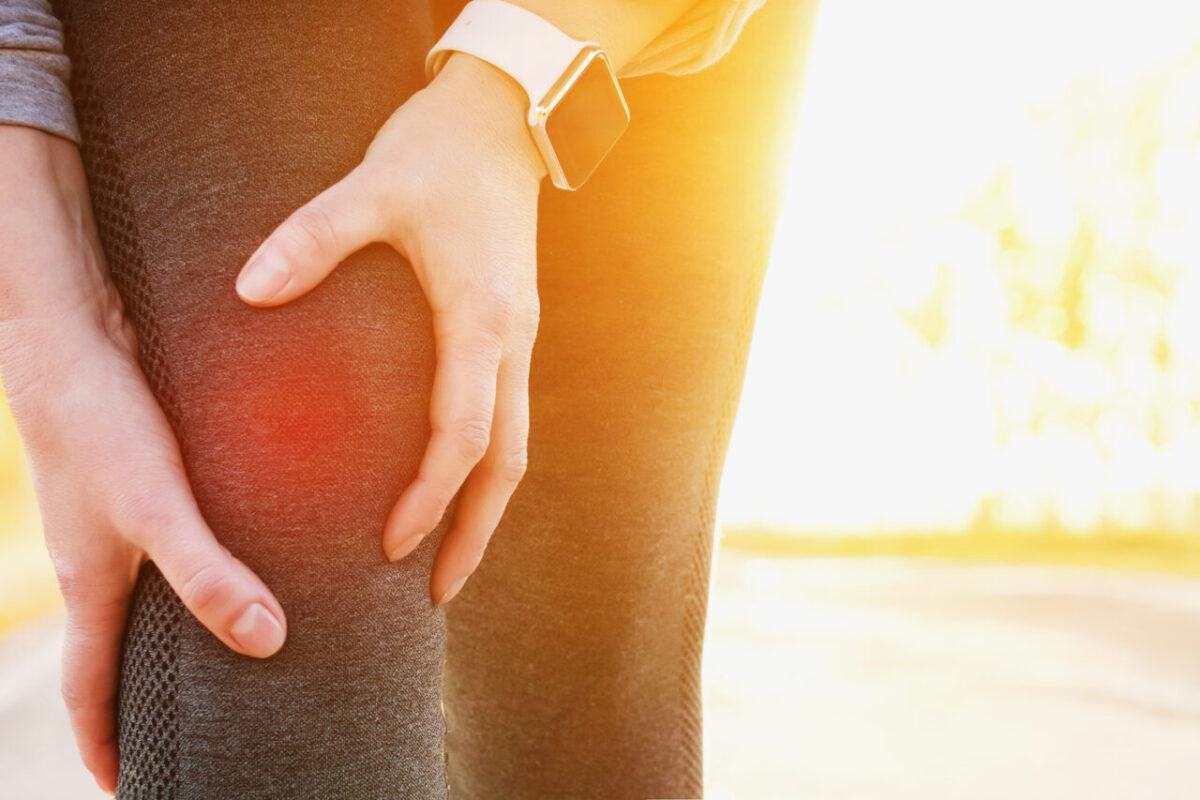
Catastrophic injuries are life-changing.
No more. No less.
You’re going about your day. And then something happens to change your life forever.
Months, if not years, of recovery will affect every area of your health. Physically, mentally, emotionally and financially.
And nobody wants to talk about it…
The recovery process after a catastrophic injury is long, arduous and extremely complicated. Dealing with just the physical injuries after a serious accident takes much longer than most people realise. It doesn’t stop once you leave the hospital.
In this article, you’ll learn
- The many ways catastrophic injuries affect your total health
- Why mental health after a severe injury is a crisis
- How does your day-to-day life change during recovery
- Why severe injury compensation is important for your long-term health
How Catastrophic Injuries Affect More Than Just Your Body
How many times has someone said:
“Well, at least he walked away with all of his limbs.”
Of course, the irony is that walking “away” from a catastrophic injury just begins the recovery process.
Severe injuries such as spinal cord injuries, traumatic brain injuries, burns, and amputations are nothing to joke about.
These injuries require years of medical treatment, surgery, rehabilitation and therapy. The victim will be coping with their injury for the rest of their life.
The issue is
Most people think about recovery in terms of just the physical injuries.
But the reality is that catastrophic injuries affect every part of your health and wellbeing.
Extensive injuries and hospitalisations are on the rise in Canada. In fact, there were over 283,000 acute injury hospitalisations last year alone. And that number continues to grow each year.
As we discussed earlier, the injuries themselves are just the beginning.
The physical injuries also lead to mental health issues, financial stress, and loss of ability to complete daily tasks and routines. That is why it is SO important to understand catastrophic injury claims in Canada, and how severe injury compensation can help cover the costs associated with your recovery.
Because hospital bills are just the start of your costs.
The Leading Cause of Long-Term Disability: Your Mental Health After a Severe Injury
This is a subject that isn’t talked about enough.
And it should be.
Mental health after suffering a severe injury is a crisis.
Did you know that approximately 1 in 4 trauma patients suffer from PTSD following their injury?
Depression, anxiety, and PTSD are extremely common after suffering an injury that changes your life forever. Studies have even shown that only 10% of workers who were injured on the job and felt depressed at one month, 6 months, and 12 months post-injury were able to return to work and stay at work. That means 90% of people were either never able to return to work or tried and failed due to depression following their injury.
Just like physical injuries, trauma to your brain during an accident or injury can have lasting impacts on your mental health.
Some of the most common mental health conditions that injury victims suffer from include:
- Depression – feeling sad or having a depressed mood
- Anxiety – feeling worried or fearful
- PTSD – flashbacks, nightmares, or severe emotional distress when something reminds you of the accident
If you suffer from any of these mental health conditions following your injury, you’re not alone. Depression and anxiety after burns and severe injuries are so common that they’ve been proven to lead to long-term disability.
The brain is just as susceptible to injury as the rest of your body. Don’t let an untreated mental health condition prevent you from living your best life after a severe injury.
Your Daily Life During Recovery From a Catastrophic Injury
Recovery from a catastrophic injury is going to change your life.
You’ll spend your days at doctors’ appointments, undergoing physical therapy, and recovering from surgeries.
Just try to imagine what life was like before your injury.
Now think about how your daily life has changed since.
Whether you suffered a spinal cord injury that has left you in a wheelchair or an injury that affected your brain function, your day-to-day life will never be the same.
Injuries that alter your physical capabilities require you to learn new ways of doing simple tasks. Such as:
- Needing to ask for help to shower or dress
- Not being able to drive a car and needing alternative methods of transportation
- Not being able to return to work in the same capacity as before
The impacts of your injuries also spread beyond your physical capabilities. Many severe injuries require you to change careers entirely, cause strain on your relationships with loved ones (who may need to become your caregivers), and cost you thousands of dollars in lost wages and medical bills.
In Canada, injuries cost the economy $29.4 billion in just one year. Recovering from one cost you, your family, and potentially even your employer hundreds, if not thousands, of dollars.
Severe injuries take over every aspect of your life.
Severe Injury Compensation is Crucial to Your Recovery
How will you be able to recover from a catastrophic injury without the proper funds to pay for your medical expenses?
Severe injury compensation doesn’t just help pay for hospital bills. It can directly affect your ability to recover and make you healthier in the long run.
Think about what your compensation can provide:
- Injury-specific rehabilitation, such as physiotherapy, occupational therapy, speech therapy, etc.
- Mental health services and treatments
- Wheelchairs, prosthetic limbs, bath benches, home modifications
- Income replacement while you’re unable to work
- Future costs of your injury
The cost to recover from a serious injury is expensive. And never really ends.
Many individuals who suffer from severe injuries are left with lifelong effects that require them to have ongoing care and rehabilitation. Your years of rehabilitation after your injury are only the beginning. You could face many other costs that you don’t expect down the road.
Receiving the right amount of compensation will help you not only during your recovery but for years to come. Never think that a settlement offer is enough because it probably isn’t.
Let’s Review…
Severe injuries impact your health in more ways than one. They take over your life both physically and mentally and cause you to lead your days very differently.
Your recovery from a catastrophic injury will require you to:
- Seek extensive medical care to help you recover
- Receive enough compensation to pay for your recovery
- Plan for the future and the costs that may come with your injury
Every year, close to 300,000 Canadians are hospitalised due to injuries. Injuries cost our economy BILLIONS of dollars. And mental injuries can cause depression and PTSD that last up to 10+ years after your accident.
If you’ve suffered a catastrophic injury, you never wish that accident on anyone. Use your recovery to teach yourself things you didn’t know about law and fight for the compensation you deserve to put your mind at ease during your recovery.
Disclaimer
This article, The Long Road to Recovery: How Catastrophic Injuries Reshape Every Aspect of Health, is provided by Open MedScience for informational and educational purposes only. It does not constitute medical advice, legal advice, financial advice, or professional guidance of any kind.
The content is intended to raise awareness of the physical, psychological, social and financial consequences associated with catastrophic injuries. It should not be relied upon as a substitute for consultation with qualified healthcare professionals, legal practitioners, insurers, or financial advisers. Individual circumstances vary significantly, and recovery pathways, prognosis, and compensation outcomes depend on specific clinical, legal and personal factors.
Any statistics referenced are illustrative and may be subject to change over time. While reasonable care has been taken to ensure the accuracy of the information presented, Open MedScience makes no representations or warranties regarding completeness, accuracy, or applicability to any individual case.
Readers experiencing physical or psychological symptoms following an injury should seek prompt medical assessment. Individuals considering legal action or compensation claims should obtain advice from appropriately qualified legal professionals within their jurisdiction.
Open MedScience accepts no liability for any loss, damage, or injury arising directly or indirectly from reliance on the information contained in this article.
home » blog » health and wellbeing »