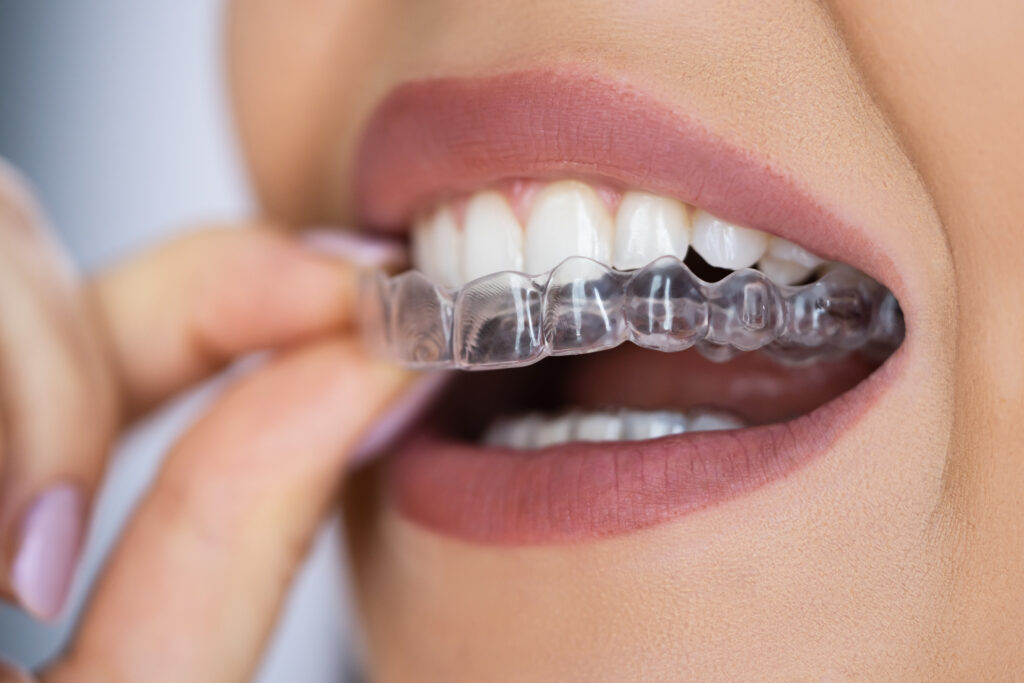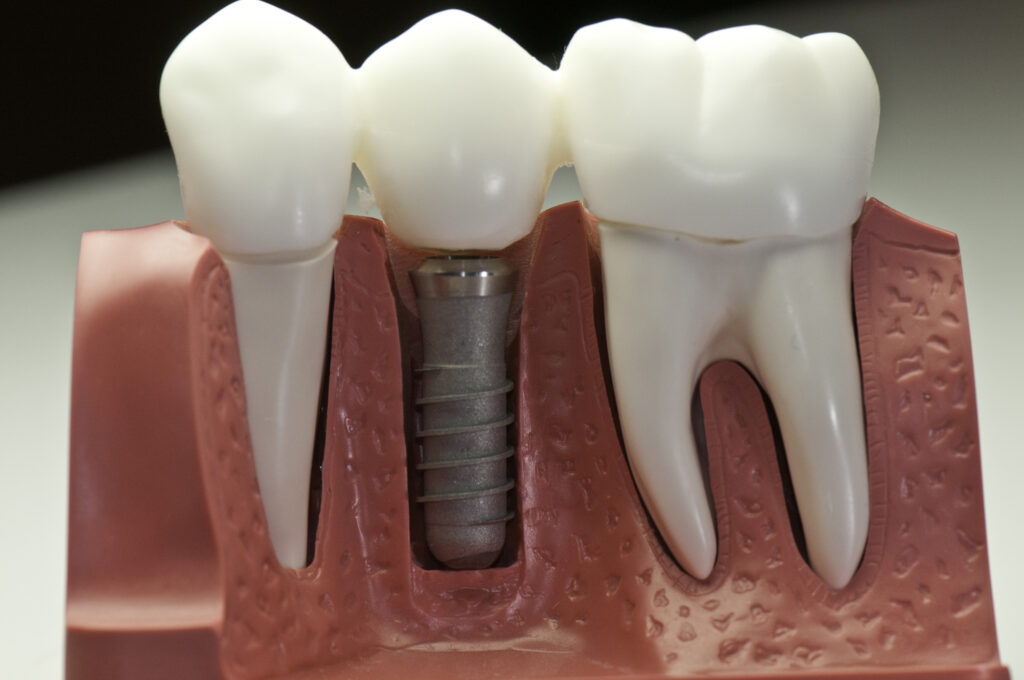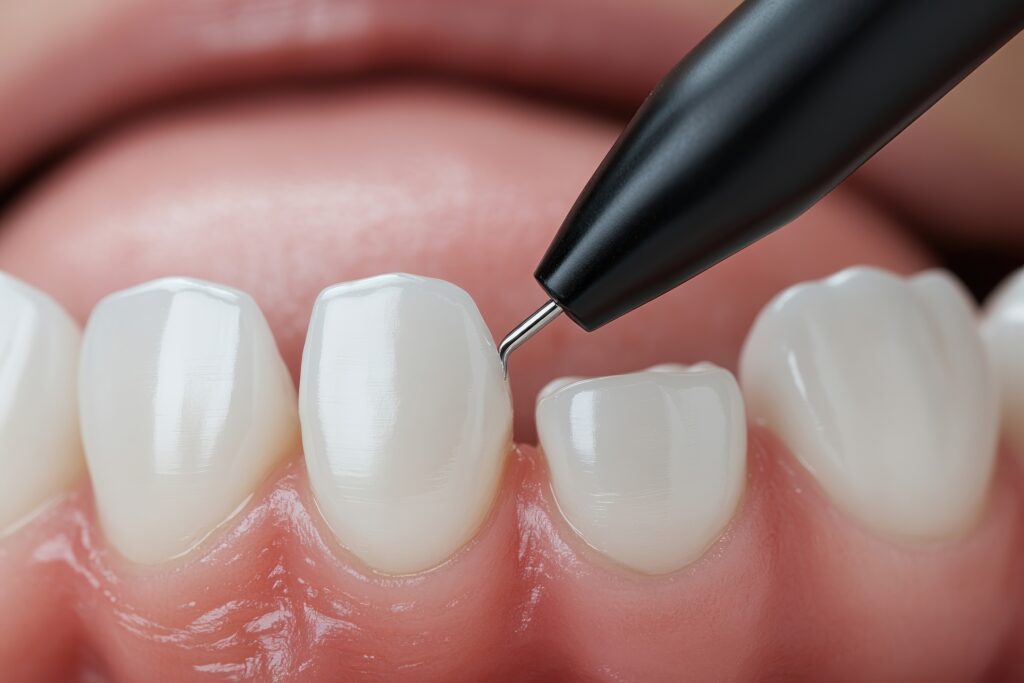

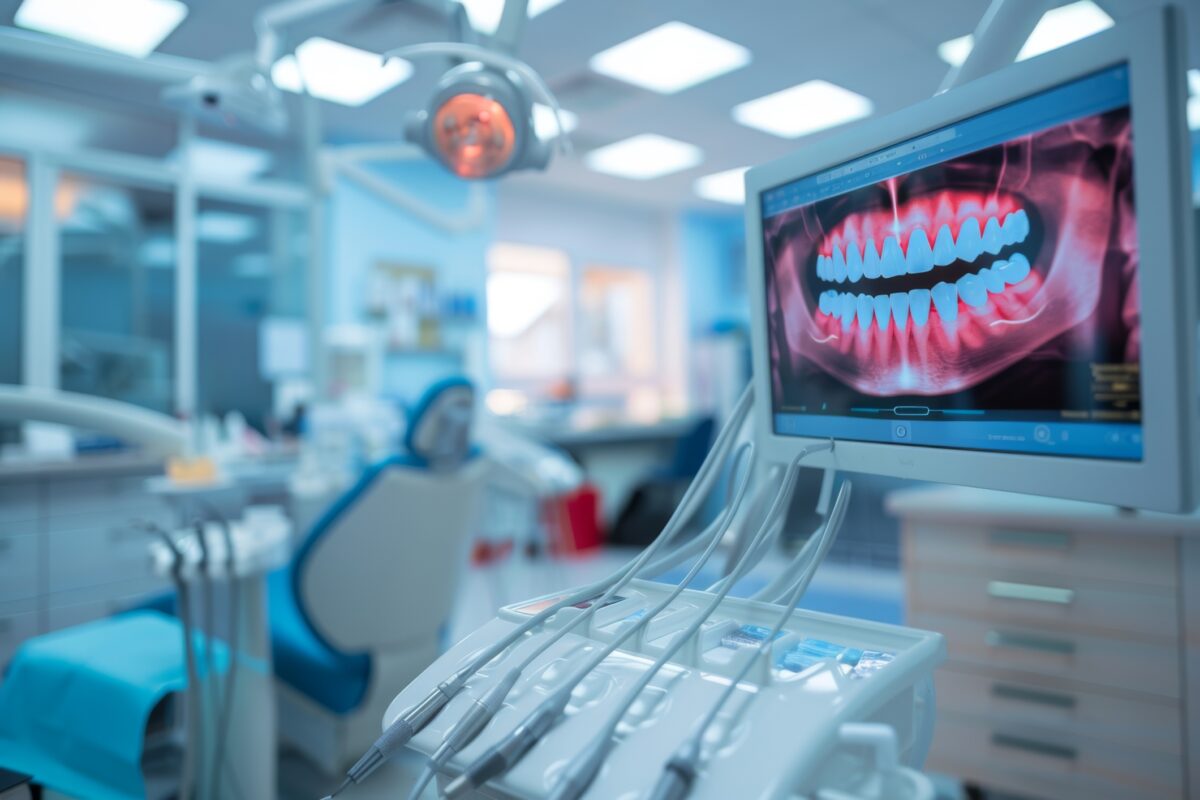
The integration of digital scanners into orthodontics has been a remarkable transformation, particularly when combined with artificial intelligence (AI). These technologies are revolutionising how orthodontists diagnose and plan treatments, offering unprecedented precision and efficiency. This advancement is not just enhancing the capabilities of orthodontists but also significantly improving patient outcomes.
In recent years, the application of digital scanners and AI in healthcare has grown exponentially, leading to significant advancements across various fields. Within orthodontics, these technologies are making waves by providing tools that improve diagnostic accuracy and streamline treatment planning. The introduction of digital scanners allows for more precise measurements and analyses, which are crucial for effective orthodontic care. As a result, the role of digital scanners in orthodontics is becoming increasingly indispensable as they reshape traditional practices and set new standards for patient care. Midway through these advancements, orthodontist san jose have already begun to see the benefits as these technologies help them refine their approaches and enhance patient satisfaction.
Digital scanners enhance orthodontic procedures
Digital scanners are proving to be game-changers in the field of orthodontics by enhancing various procedures that were once limited by traditional methods. One of the primary ways they contribute is through improved diagnostic capabilities. By capturing detailed images, digital scanners can identify patterns and anomalies that might be missed by the human eye, thus increasing the accuracy of diagnoses. This capability allows orthodontists to detect dental issues at an earlier stage and devise more effective treatment plans.
Moreover, digital scanners assist in refining treatment planning by using predictive analytics to forecast how a patient’s teeth will move over time. This predictive modelling aids in developing tailored treatment plans that are both efficient and effective. By understanding potential outcomes before they occur, orthodontists can make informed decisions that optimise patient results. Additionally, the use of digital scanning software helps in monitoring treatment progress, enabling timely adjustments to ensure optimal outcomes.
Precision and customisation in patient care
The precision offered by digital scanners in orthodontics is unparalleled, facilitating a level of customisation previously unattainable. Through advanced imaging techniques, such as 3D scanning and modelling, digital scanners can create highly accurate digital representations of a patient’s dental structure. These detailed images allow for precise alignments and adjustments tailored specifically to each individual’s needs.
This level of customisation not only improves the effectiveness of treatments but also enhances patient satisfaction by reducing discomfort and treatment duration. With the ability to simulate various treatment scenarios, orthodontists can choose the best possible path for each patient based on comprehensive data analysis. As a result, patients experience a more personalised approach that aligns closely with their unique dental needs and expectations.
Examples of current digital scanning technologies
Several cutting-edge technologies illustrate how digital scanners are currently being employed within the field of orthodontics. 3D imaging systems are among the most prevalent applications, providing detailed insights into a patient’s dental anatomy. These systems leverage advanced algorithms to analyse complex data sets quickly and accurately, resulting in precise diagnostic information that informs better treatment decisions.
Predictive modelling is another area where digital scanners excel, offering insights into potential future dental developments based on current data trends. These models help predict how teeth will respond to different treatments over time, allowing orthodontists to design interventions that minimise risks and maximise efficacy. The integration of these technologies signifies a major leap forward for orthodontic practices worldwide.
Exploring future innovations in orthodontics
The potential for future innovations in orthodontics through digital scanners continues to inspire optimism among practitioners and patients alike. As technology advances, we can expect even greater integration of machine learning and deep learning algorithms into everyday practices. These innovations promise to further enhance diagnostic accuracy, streamline treatment processes, and improve overall patient experiences.
A key area of development lies in real-time monitoring systems that could provide continuous feedback during treatments. Such systems would enable immediate adjustments based on real-time data analysis, ensuring treatments remain on course while minimising potential complications. As these technologies evolve, they hold the promise of revolutionising not only how treatments are administered but also how they are perceived by patients.
Summarising the impact of digital scanners on patient care
The benefits brought about by digital scanners in orthodontics are profound, marking a new era in dental care that prioritises precision and customisation. With tools that enhance diagnostic accuracy and refine treatment planning processes, digital scanners empower orthodontists to deliver superior care while reducing treatment times and improving outcomes for patients.
The ongoing advancements underscore the transformative potential of digital scanners within this field, paving the way for future innovations that will continue to redefine industry standards. As we look towards a future where technology plays an ever-increasing role in healthcare delivery, the impact of digital scanners on orthodontic practices serves as a testament to their power in driving positive change across medical disciplines.
home » blog » dentistry »