

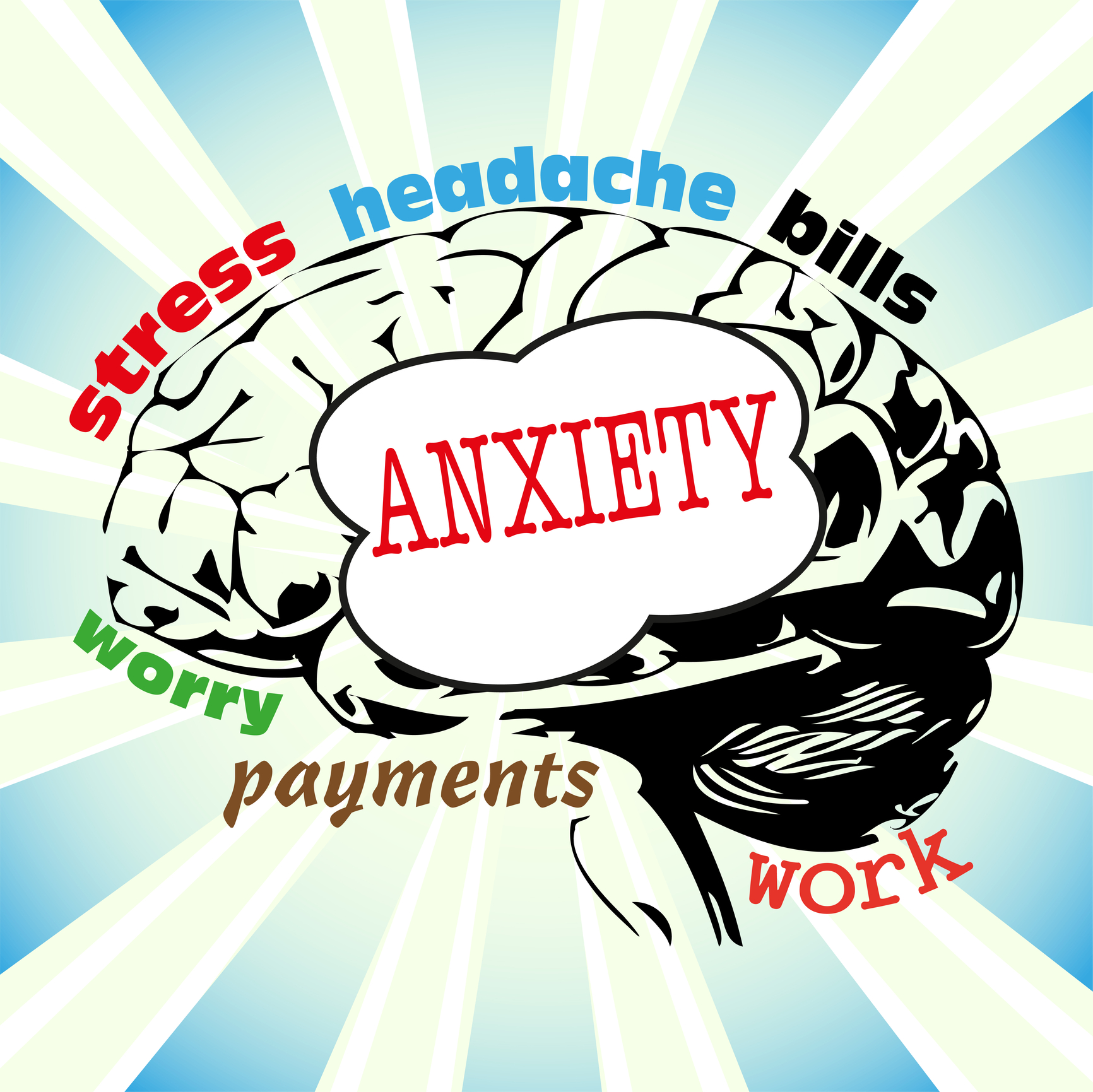
In today’s fast-paced world, stress and anxiety have become a normal part of everyday life. Work pressure, financial responsibilities, family expectations, and constant digital stimulation all contribute to emotional overload. While occasional stress is natural, long-term anxiety can affect both mental and physical health. This is where therapy plays a powerful role in restoring balance and improving overall well-being.
Many individuals now seek professional help such as a therapist in Katy or reliable counseling in Katy to manage daily stress in a healthier and more structured way. Therapy is no longer seen as something only for crisis situations; instead, it has become an important tool for personal growth and emotional stability.
Understanding Everyday Stress and Anxiety
Stress is the body’s natural response to challenges or demands. In small amounts, it can actually be helpful, motivating us to meet deadlines or solve problems. However, when stress becomes constant, it can turn into anxiety.
Anxiety often includes persistent worry, restlessness, difficulty concentrating, and physical symptoms like headaches, fatigue, or muscle tension. Many people try to ignore these feelings, but without proper support, they can gradually impact relationships, work performance, and overall quality of life.
Seeking help from a therapist in Katy can provide individuals with a safe space to understand these emotions and learn how to manage them effectively.
How Therapy Helps Manage Stress and Anxiety
Therapy provides a structured and supportive environment where individuals can explore the root causes of their stress. Instead of just treating symptoms, therapy focuses on long-term solutions.
A professional offering counseling in Katy uses evidence-based techniques to help clients identify negative thought patterns, understand emotional triggers, and develop healthier coping strategies.
Some common therapeutic approaches include Cognitive Behavioral Therapy (CBT), mindfulness techniques, and stress management training. These methods help individuals change unhelpful thinking patterns and respond to stress in a more balanced way.
Identifying Triggers and Thought Patterns
One of the key benefits of therapy is learning to recognize what triggers stress and anxiety. Many people are not fully aware of the thoughts or situations that cause emotional distress.
A trained therapist in Katy helps clients identify these patterns and understand how their thinking affects their emotions. For example, negative self-talk or unrealistic expectations can increase anxiety levels significantly.
Once these patterns are identified, therapy helps replace them with healthier and more realistic thoughts, leading to better emotional control.
Developing Healthy Coping Strategies
Coping strategies are essential for managing stress in daily life. Without them, people often rely on unhealthy habits such as overthinking, avoidance, or emotional suppression.
Through counseling in Katy, individuals learn practical tools such as deep breathing, relaxation techniques, journaling, and time management skills. These strategies help reduce immediate stress and prevent long-term emotional burnout.
Therapists also guide clients in building routines that support mental wellness, including proper sleep, physical activity, and balanced lifestyle habits.
Improving Emotional Resilience
Emotional resilience is the ability to adapt to challenges and recover from difficult situations. Therapy plays a major role in strengthening this skill.
By working with a therapist in Katy, individuals learn how to handle setbacks without becoming overwhelmed. They develop a more balanced mindset, which allows them to face challenges with confidence rather than fear.
Over time, therapy helps people build inner strength, making it easier to manage both expected and unexpected stressors.
Enhancing Self-Awareness and Confidence
Stress and anxiety are often connected to low self-confidence or unresolved emotional issues. Therapy helps individuals understand themselves better, including their strengths, weaknesses, and emotional needs.
Through counseling in Katy, people become more self-aware and learn how to trust their decisions. This increased confidence reduces fear and uncertainty, which are major contributors to anxiety.
As self-awareness grows, individuals are better able to set boundaries, communicate effectively, and make healthier life choices.
The Importance of Professional Support
While self-help strategies can be useful, professional therapy provides deeper and more lasting results. A licensed therapist offers unbiased guidance and evidence-based techniques that are tailored to each individual’s needs.
Seeking help from a qualified therapist in Katy ensures that emotional struggles are addressed properly before they become more serious. Early support can prevent long-term mental health issues and improve overall quality of life.
Building a Healthier Future Through Therapy
Therapy is not just about reducing stress; it is about creating a healthier and more balanced life. When individuals learn how to manage anxiety effectively, they experience improvements in relationships, work performance, and personal happiness.
Regular counseling in Katy sessions can help individuals stay emotionally grounded, even during difficult times. It provides ongoing support and guidance that promotes long-term mental wellness.
Conclusion
Everyday stress and anxiety are common, but they do not have to control your life. Therapy offers practical tools, emotional support, and long-term strategies to help individuals regain control of their mental health.
Whether you are dealing with work pressure, personal challenges, or ongoing anxiety, working with a professional therapist in Katy or seeking counseling in Katy can make a meaningful difference. With the right support, it is possible to build resilience, improve emotional well-being, and lead a more peaceful and fulfilling life.
Disclaimer: This article is for informational purposes only and does not replace professional medical or mental health advice, diagnosis, or treatment. Readers experiencing stress, anxiety, or related concerns should consult a qualified healthcare professional. References to therapists, counselling services, or locations are not endorsements by Open MedScience. Open MedScience accepts no responsibility for any reliance placed on the information provided.
home » blog » health and wellbeing »