
Key Takeaways
- Choosing an in-home aged care provider involves considering access to medical imaging services, which are vital for diagnosis and management of health conditions.
- Integration between home care and imaging services enhances communication and efficiency, impacting treatment decisions and patient outcomes.
- Providers should facilitate mobile imaging services to minimise disruption and travel difficulties for elderly patients.
- Timely imaging is crucial for assessing injuries from falls, chronic disease management, and ongoing monitoring of health conditions.
- Families should evaluate the provider’s coordination with radiology, communication strategies, and commitment to continuous clinical review.
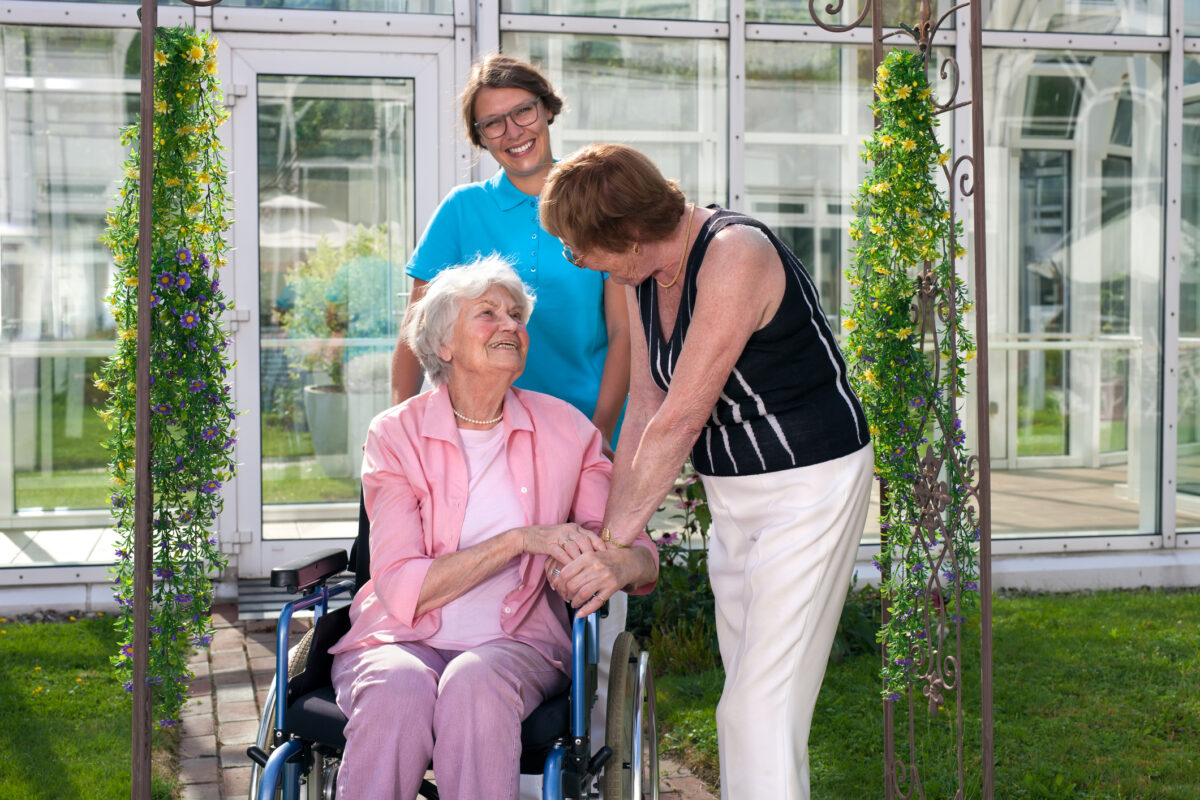
The preference for ageing at home rather than moving into residential care has grown steadily across many countries. Older adults often wish to remain in familiar surroundings where they can maintain independence, social connections, and personal routines. In-home aged care services have therefore become a central component of modern healthcare systems. These services typically include personal care, nursing support, medication management, rehabilitation assistance, and monitoring of chronic medical conditions. One area that receives less attention, yet plays an important role in supporting elderly people at home, is access to medical imaging.
Medical imaging is an essential part of diagnosing, monitoring, and managing many health conditions that affect older adults. Technologies such as X-ray, ultrasound, computed tomography (CT), magnetic resonance imaging (MRI), and nuclear medicine scans provide clinicians with detailed information about the body’s internal structures and functions. When selecting an in-home aged care provider, families should consider how well the provider coordinates with imaging services, supports transport to imaging appointments, and integrates imaging results into ongoing care.
Why Medical Imaging Matters in Aged Care
Older adults often have complex health conditions that require close monitoring. Musculoskeletal disorders, cardiovascular disease, neurological conditions, respiratory illness, and cancer are all more common with increasing age. Medical imaging enables healthcare professionals to detect early changes in these conditions, helping prevent complications and reduce hospital admissions.
For example, an elderly person who experiences persistent hip pain may require an X-ray to identify fractures or degenerative joint disease. Someone with suspected pneumonia may need a chest radiograph to confirm the diagnosis. In other cases, ultrasound may be used to monitor abdominal organs or vascular conditions, while CT or MRI scans can help investigate neurological symptoms such as memory loss, dizziness, or suspected stroke.
In many cases, imaging is not only used for diagnosis but also for ongoing monitoring. Patients receiving treatment for cancer may undergo periodic scans to evaluate how well therapy is working. Those with chronic conditions such as osteoporosis may require imaging to assess bone density and fracture risk. A reliable in-home aged care provider should be able to assist in coordinating these investigations as part of a comprehensive care plan.
Integration Between Home Care and Imaging Services
One of the key considerations when choosing an in-home aged care provider is how well the organisation works with hospitals, imaging centres, and specialist clinicians. A strong provider will maintain relationships with local radiology departments and diagnostic clinics. This coordination ensures that imaging appointments can be scheduled quickly and that results are communicated effectively to the care team.
Communication is particularly important because imaging results often influence treatment decisions. If a scan identifies a new condition or a change in an existing illness, the home care team must respond appropriately. For example, if imaging reveals a fracture, the care provider may need to arrange physiotherapy, adjust mobility support, or increase monitoring to prevent falls. Similarly, imaging that shows worsening heart failure may lead to medication changes or additional nursing visits.
Providers that integrate imaging information into electronic health records can offer more seamless care. When imaging reports are accessible to nurses, doctors, and carers involved in the patient’s support network, decision-making becomes faster and more coordinated.
Access to Mobile and Community Imaging
Another important factor is access to imaging services that minimise disruption for elderly patients. Many older adults have mobility limitations, cognitive impairment, or chronic pain that makes travelling to hospitals difficult. Some imaging providers now offer mobile services, particularly for basic examinations such as X-ray and ultrasound.
Mobile imaging units can visit a patient’s home, residential care facility, or community clinic. This approach reduces the need for transport, lowers patient stress, and allows diagnostic information to be collected more quickly. When evaluating an in-home aged care provider, it is useful to ask whether they have established arrangements with mobile imaging companies or community radiology services.
In situations where mobile imaging is not possible, the provider should assist with transport and appointment coordination. This might involve arranging accessible vehicles, accompanying the patient to the appointment, or ensuring that relevant medical documentation is available for the radiology team.
Monitoring Falls and Injuries
Falls represent one of the most common health risks for older adults living at home. Even minor falls can result in fractures, head injuries, or internal bleeding. Medical imaging plays a central role in assessing these injuries.
A high-quality in-home aged care provider should have clear protocols for responding to falls. These protocols often include immediate clinical assessment, communication with healthcare professionals, and referral for imaging when necessary. Rapid access to diagnostic imaging helps determine whether injuries such as hip fractures, spinal compression fractures, or intracranial bleeding have occurred.
Timely imaging is particularly important because delayed diagnosis can worsen outcomes. For example, untreated fractures may lead to prolonged immobility, while undetected head injuries may result in neurological deterioration.
Imaging in Chronic Disease Management
Many older adults live with long-term conditions that require regular monitoring. Medical imaging can provide valuable insight into how these diseases progress over time. In-home aged care providers should therefore ensure that physicians’ imaging recommendations are followed appropriately.
For instance, patients with chronic obstructive pulmonary disease (COPD) may undergo periodic chest imaging to evaluate lung changes. Individuals with vascular disease might require ultrasound examinations to monitor blood flow in the arteries. Those with neurological conditions, such as dementia, may undergo brain imaging to help clinicians understand structural changes.
When selecting a provider, families should consider whether the organisation supports ongoing clinical review and diagnostic testing. Providers who actively monitor health changes and facilitate imaging when required can help detect complications early.
Supporting Communication With Radiology Professionals
Radiologists and imaging specialists are essential members of the healthcare system. Their reports guide diagnosis and treatment decisions. A well-organised in-home aged care provider will ensure that communication between the radiology team and the patient’s primary care physician is smooth and efficient.
In some cases, imaging findings may require urgent follow-up. For example, scans may identify suspicious lesions that require biopsy or further imaging. The home care provider must be able to respond quickly, arrange additional appointments, and support the patient through the next steps in their care pathway.
Evaluating Quality and Safety
When families evaluate potential aged care providers, several questions related to imaging and clinical coordination may be helpful. It is worth asking whether the provider works with local diagnostic imaging centres, whether they assist with scheduling appointments, and how imaging results are shared with healthcare professionals. Providers that demonstrate clear procedures for these processes are more likely to deliver safe and coordinated care.
Quality indicators may also include staff training, clinical governance policies, and the presence of registered nurses who can interpret medical information and liaise with physicians. These professionals play an important role in understanding imaging reports and translating them into practical care decisions.
The Future of Imaging in Home-Based Care
Technological developments are gradually expanding the role of diagnostic imaging in community settings. Portable imaging devices, digital image transmission, and telemedicine systems are improving access for patients who remain at home. Artificial intelligence tools are also being developed to assist radiologists in analysing images and identifying abnormalities.
These innovations may eventually allow more imaging procedures to be performed outside hospital environments. As healthcare systems increasingly prioritise ageing at home, the connection between in-home care services and medical imaging will become even more important.
Conclusion
Choosing an in-home aged care provider involves more than assessing personal care services. Effective healthcare support for older adults requires coordination with diagnostic services, including medical imaging. Imaging technologies help clinicians detect illness, monitor chronic conditions, evaluate injuries, and guide treatment decisions.
Families selecting an aged care provider should therefore consider how the organisation manages imaging referrals, communicates with radiology services, and supports patients attending diagnostic appointments. Providers that integrate imaging into their care pathways can contribute to earlier diagnosis, better clinical decisions, and improved quality of life for older adults who wish to remain in their own homes.
Disclaimer
The information provided in this article is intended for general educational and informational purposes only. It does not constitute medical advice, healthcare guidance, legal advice, or professional aged care recommendations. Open MedScience does not provide clinical services, aged care placement advice, or provider endorsements.
Readers should not rely on this content as a substitute for consultation with qualified healthcare professionals, medical imaging specialists, aged care coordinators, or licensed care providers. Decisions regarding healthcare, diagnostic imaging, or the selection of an in-home aged care provider should always be made in consultation with appropriately trained professionals who can assess individual circumstances and medical needs.
While every effort has been made to ensure that the information presented is accurate and current at the time of publication, medical practices, technologies, and healthcare regulations may change over time. Open MedScience makes no guarantees regarding the completeness, accuracy, or suitability of the information for any particular situation.
References to medical imaging technologies, care services, or healthcare processes are provided for informational purposes only and should not be interpreted as recommendations, endorsements, or guarantees of service quality. The availability of specific imaging services, including mobile imaging, may vary depending on geographic location, healthcare provider networks, and local regulations.
Open MedScience accepts no responsibility for any actions taken or decisions made based on the information contained in this article. Readers are encouraged to conduct their own research and seek professional advice before selecting healthcare providers or making decisions related to aged care or medical imaging services.
home » blog » health matters »