
Did you know something that might blow your mind?
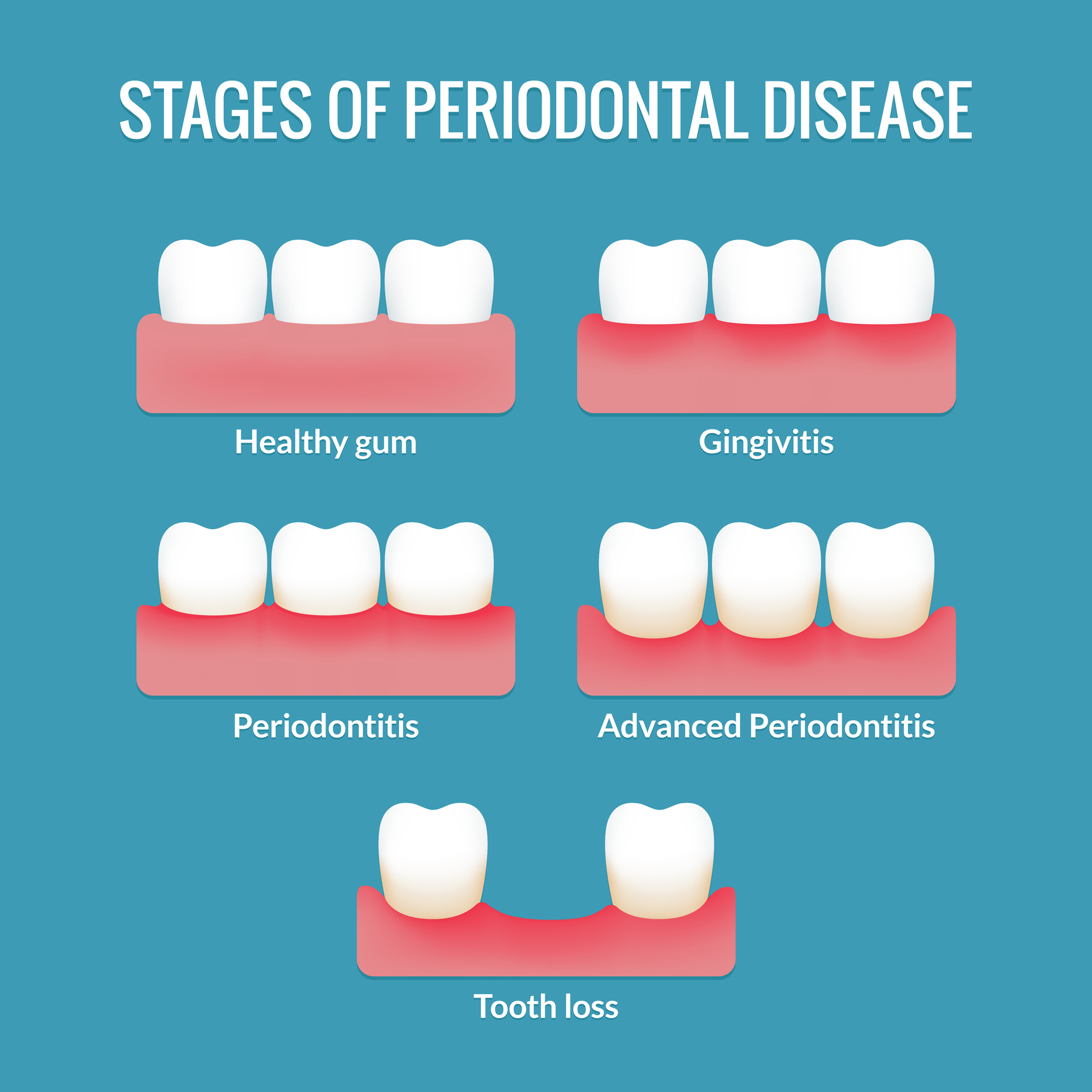
42% of adults over 30 have periodontal disease. That’s right. A stunning 42% of adults have periodontitis, and most don’t even realise it.
And here’s the next little secret…
Your gums play a much bigger role in your overall health than most people realise. Gum disease is associated with several other serious health problems, including heart disease and diabetes. That’s why having healthy gums might be one of the most important steps you can take for your overall health.
The good news?
Preventing gum disease is actually one of the easiest things to do. Let’s get into the nitty-gritty of how to keep your gums healthy.
Here are the key takeaways:
- Why your gums are more important than you realise
- Daily habits that will keep your gums healthy
- Signs that should never be ignored
The Hidden Danger Most People Miss
Let me start by sharing something with you that most people don’t know…
Gum disease starts out slowly. You may not have any symptoms until it’s already set in. That’s why booking regular check-ups with quality dental care services like Shire Smiles is one of the most important steps you can take to catch potential problems early and help ensure that you have the best gum health possible before serious problems have a chance to develop.
Most people will already have advanced periodontal disease by the time they notice regular bleeding or a loose tooth. Regular professional dental cleaning services can help you nip gum disease in the bud before you’re facing painful procedures and exorbitant dental care costs.
Brush Like Your Life Depends On It
The next thing that most people get wrong is…
How they brush. Many people think that brushing harder means a cleaner mouth and smile. Not true.
Truth be told, brushing in the right way is one of the most important steps you can take to protect your gums. Make sure that you are brushing for at least two minutes, twice per day. Your toothbrush should be at a 45-degree angle to your gums.
Why the 45-degree angle? That’s because it is in the junction of where your teeth meet your gums that plaque buildup most often occurs. Plaque buildup in this space is one of the first signs of gum disease.
So, your brushing technique should include the following:
- Brushing for two minutes, twice daily
- 45-degree angle with a soft bristled brush
- Gentle circular motion
- Replace brush every 3-4 months
But brushing alone is only part of the equation.
Flossing: The Step Everyone Skips
Here’s the biggest mistake I see people make…
Skipping flossing. People who don’t floss on a daily basis are far more likely to have periodontitis. Brushing only removes plaque and food particles from 60% of tooth surfaces.
The other 40% can only be reached by daily flossing. This area is one of the prime spots for bacterial growth.
Flossing correctly involves about 18 inches of floss and gentle use between each tooth following the C-shape of your teeth down below the gum line. The great news is that it only takes less than two minutes.
Your Diet Is Sabotaging Your Gums
Want another bomb to drop?
What you eat has a big impact on the health of your gums. Sugary foods and drinks fuel the bacteria in your mouth that cause gum disease.
Every time you eat something with sugar, the bacteria in your mouth produce acids that attack your teeth and gums. Inflammation and periodontal disease result from this.
Foods that promote healthy gums are crunchy vegetables, leafy greens, dairy products, vitamin C foods, and green tea. Constant grazing also doesn’t allow your mouth any break from constant acid attacks.
Warning Signs You Can’t Afford To Ignore
Here’s something that should have you a little concerned…
Gum disease often progresses with little to no obvious symptoms. You might already have moderate to advanced periodontitis before you realize something is wrong.
Here are some red flags you should never ignore when it comes to gum disease:
- Bleeding gums during brushing or flossing
- Swollen or tender gums that should be firm and pink
- Chronic bad breath is caused by bacteria
- Receding gums make teeth look longer
- Loose teeth due to loss of bone support
The time to take care of gum disease is not when you have a problem. Prevention and early treatment are the keys to reversing the effects of periodontal disease.
The Smoking Connection Nobody Talks About
And here’s the really scary part…
62% of current smokers have periodontitis. Smoking lowers the body’s immune response, decreases blood flow to gums, and makes it almost impossible for the body to heal.
The good news is that your gum health can dramatically improve as soon as you quit smoking. Your body starts to heal from the effects of smoking almost immediately.
Professional Cleanings: Your Secret Weapon
Here’s something else that most people don’t know…
Regular professional cleanings are one of the best ways to prevent gum disease. Even if you have impeccable homecare, there is plaque that will harden into tartar only a dental professional can remove.
Most people need professional cleaning from a dental clinic once every six months. If you’re at higher risk, then your dentist might recommend more frequent cleanings.
During professional cleanings, the dentist will remove hardened tartar, get rid of plaque in hard-to-reach areas, get rid of bacteria below the gum line, and eliminate stains. This will help protect your gums against disease.
Risk Factors You Should Know
And finally, here are a few more things that you should know…
Certain people are more prone to gum disease. The first is age, and 60% of adults 65 and older have periodontal disease.
Other risk factors for periodontal disease include genetic factors, diabetes, stress, certain medications, and hormone changes. If you have a number of these risk factors, then you need to be all the more vigilant in terms of taking care of your gums.
Wrapping Things Up
Healthy gums are the foundation for a healthy mouth and healthy body.
With nearly half of all adults having some form of periodontal disease, gum disease prevention is more important than ever. But the good news is that it’s actually not complicated. It’s all about doing a few simple things every single day and scheduling regular professional care.
Brush the right way twice daily, floss once daily, eat a healthy, balanced diet, and get to your dentist’s office at least twice yearly for regular check-ups and cleanings. Most cases of periodontal disease are completely preventable. By following the tips above and working with your dentist and dental team, you can keep your gums healthy for life.
Start today.
Disclaimer
The information provided in “Tips for Maintaining Healthy Gums and Preventing Disease” by Open MedScience (published on 12 November 2025) is intended for general educational and informational purposes only. It is not a substitute for professional dental or medical advice, diagnosis, or treatment.
Readers are advised to consult a qualified dentist, dental hygienist, or healthcare professional regarding any questions or concerns they may have about their oral or overall health. Never disregard professional advice or delay seeking it because of information found in this article.
Open MedScience does not endorse or promote any specific dental clinic, product, or treatment mentioned in the article. References to external sources or dental care providers are provided for informational purposes only.
While every effort has been made to ensure the accuracy and reliability of the information at the time of publication, Open MedScience accepts no responsibility or liability for any loss, injury, or damage resulting from the use of, or reliance on, the information contained herein.
home » blog » dentistry »