

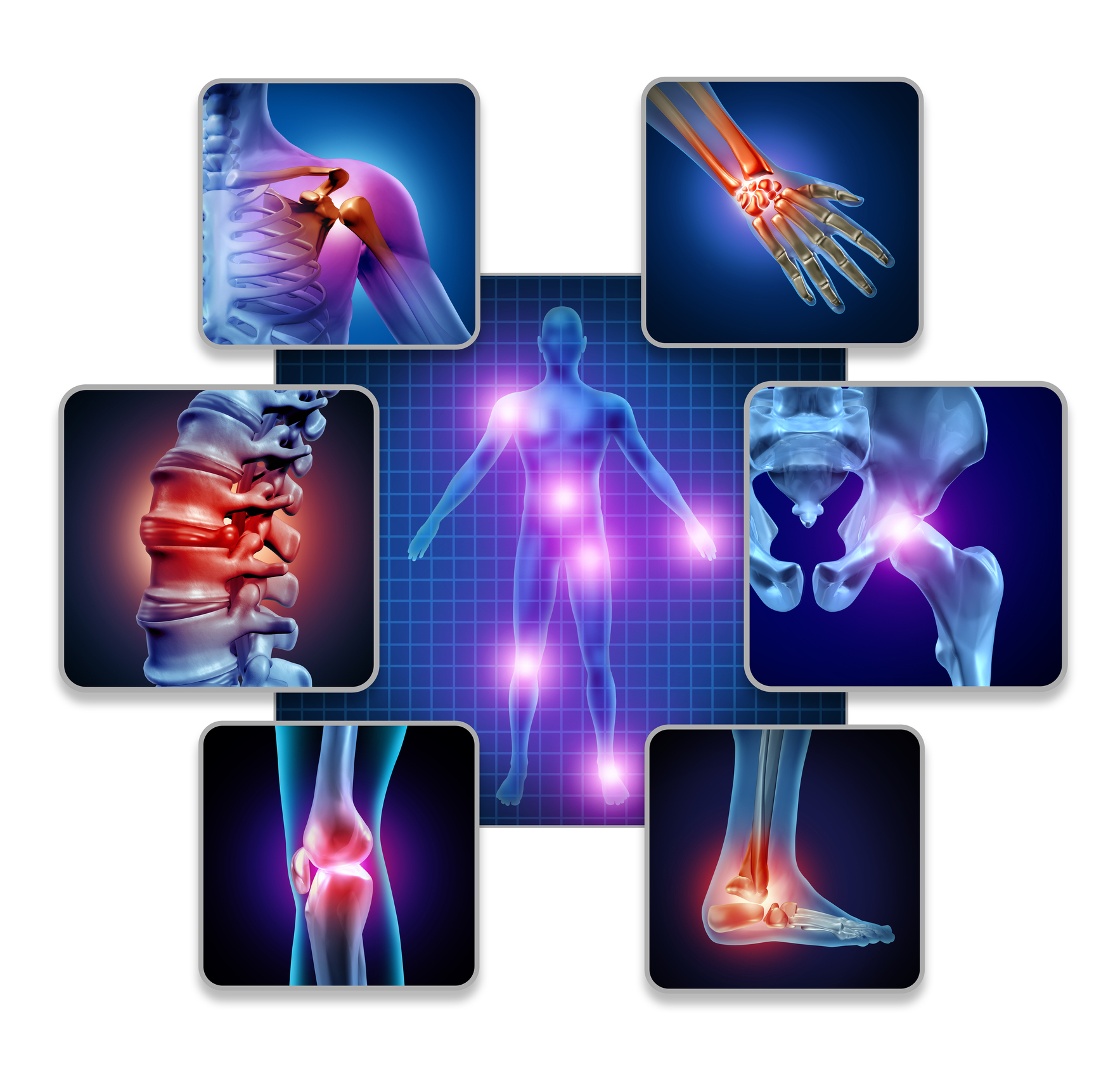
Over-the-counter pain medications play a crucial role in modern healthcare. They provide accessible relief for millions of people experiencing headaches, muscle pain, inflammation, and menstrual discomfort. Because these medications are widely available, they are often perceived as inherently safe. However, from a medical science perspective, even non-prescription drugs require careful consideration regarding dosage, frequency, and long-term use. Understanding how these medications work is essential for both patients and healthcare professionals.
The Science Behind Pain and Inflammation
Pain is a complex biological signal designed to protect the body. It alerts the nervous system to injury, stress, or imbalance. Inflammation is often a companion process, involving immune responses that promote healing. While pain and inflammation are necessary for survival, excessive or prolonged discomfort can interfere with daily functioning and quality of life.
Pain-relief medications target specific pathways involved in pain perception and inflammation. By interrupting these pathways, they reduce symptoms and allow individuals to continue daily activities. However, interfering with natural biological processes must be done thoughtfully to avoid unintended consequences.
Categories of Over-the-Counter Pain Medications
Most non-prescription pain relievers fall into two main categories: nonsteroidal anti-inflammatory drugs (NSAIDs) and analgesics that do not directly reduce inflammation. Each category affects the body differently and carries distinct benefits and risks.
NSAIDs work by inhibiting enzymes involved in the inflammatory process. While effective, they can affect the gastrointestinal tract, kidneys, and cardiovascular system when used improperly. Other analgesics focus primarily on pain signalling and are often considered gentler on the stomach, though they still require proper dosing.
Understanding which category a medication belongs to helps patients make safer choices based on their medical history and symptoms.
Menstrual Pain and Medication Use
Menstrual pain is one of the most common reasons individuals turn to over-the-counter pain relief. Hormonal changes during the menstrual cycle trigger uterine contractions and inflammatory responses, leading to cramping and discomfort. For many, pain relievers provide the necessary relief that allows normal functioning.
Combination products such as Midol pills are formulated specifically for menstrual symptoms, often containing multiple active ingredients that address pain, bloating, and fatigue simultaneously. While convenient, combination medications increase the importance of understanding what each ingredient does and how it interacts with the body.
Pharmacological Considerations of Combination Medications
Combination pain relievers may include analgesics, anti-inflammatory agents, caffeine, or diuretics. Each component serves a specific purpose, but also introduces its own pharmacological considerations. For example, caffeine may enhance pain relief but can also increase heart rate or anxiety in sensitive individuals.
From a scientific standpoint, combining active ingredients increases the need for precise dosing. Patients must be aware of overlapping ingredients if they take additional medications, as this can lead to unintentional overconsumption.
Metabolism, Absorption, and Individual Differences
No medication affects every individual in the same way. Factors such as body weight, age, liver function, kidney health, and genetic differences influence how drugs are metabolised and eliminated. These variables explain why one person may tolerate a medication well while another experiences side effects.
Medical science emphasises individualised risk assessment. While general guidelines apply to most people, personal medical history should always guide medication decisions. This is especially important for individuals with chronic conditions or those taking multiple medications.
Short-Term Relief Versus Long-Term Use
Over-the-counter pain medications are generally intended for short-term use. Acute pain episodes, such as headaches or menstrual cramps, often respond well to brief treatment. Problems arise when medications are used frequently or continuously without medical oversight.
Chronic use can mask underlying conditions, delay diagnosis, or increase the risk of adverse effects. Scientific research consistently highlights the importance of identifying the root cause of recurring pain rather than relying solely on symptom management.
The Importance of Dosage Awareness
One of the most common causes of medication-related complications is improper dosing. Patients may assume that taking more will provide faster or stronger relief, but this approach increases the risk of toxicity without improving effectiveness.
Clear labelling provides maximum daily doses and recommended intervals. Adhering to these guidelines is critical for safety. Understanding how often Midol can be taken is not just a consumer question, but a medical one rooted in pharmacokinetics and toxicity thresholds.
Interactions With Other Medications
Drug interactions represent a major concern in pain management. Over-the-counter medications can interact with prescription drugs, supplements, and even certain foods. These interactions may amplify side effects or reduce therapeutic effectiveness.
Healthcare professionals encourage patients to disclose all medications they are taking, regardless of prescription status. This comprehensive approach allows for better risk assessment and safer recommendations.
Vulnerable Populations and Special Considerations
Certain populations require extra caution with pain medications. Older adults may have reduced kidney function, increasing the risk of accumulation. Individuals with gastrointestinal conditions may be more susceptible to irritation or bleeding. Those with cardiovascular disease may face increased risks with specific medications.
Medical science stresses that accessibility should not replace guidance. Even widely available medications benefit from informed use and professional consultation when uncertainty exists.
Education as a Tool for Safer Use
Patient education plays a vital role in medication safety. Understanding how medications work, why dosing matters, and when to seek medical advice empowers individuals to use pain relievers responsibly.
Educational resources that explain mechanisms rather than just instructions promote long-term health literacy. This approach aligns with preventive medicine and reduces avoidable complications.
When to Seek Medical Advice
Pain that is severe, persistent, or worsening warrants medical evaluation. Over-the-counter medications should not be used indefinitely to manage symptoms without identifying underlying causes.
Healthcare providers can offer diagnostic insight, alternative treatments, or prescription options tailored to the individual. Early intervention often prevents more serious complications later.
The Role of Evidence-Based Medicine
Scientific research continually informs best practices for medication use. Clinical studies evaluate efficacy, safety, and optimal dosing strategies. This evidence-based approach ensures that recommendations evolve as new data emerges.
Trustworthy medical platforms play an essential role in translating complex research into accessible guidance for both professionals and the public.
Conclusion
Over-the-counter pain relief medications provide valuable support for managing everyday discomfort, but their safe use depends on informed decision-making. Understanding pharmacology, dosage limits, and individual risk factors transforms casual consumption into responsible healthcare practice. By approaching pain management through a medical science lens, patients and professionals alike can ensure relief without compromising long-term health.
Key Takeaways
- Over-the-counter pain relief medications are essential for managing discomfort, but users must be cautious about dosage and frequency.
- Pain and inflammation are natural responses, yet excessive use of pain relief can lead to complications or mask underlying conditions.
- Combination medications can offer relief but require an understanding of each ingredient’s purpose and interactions with other drugs.
- Education about these medications enhances safe usage and empowers patients to make informed decisions.
- Consult a healthcare professional for severe or persistent pain, ensuring understanding of the root cause rather than relying solely on medication.
Disclaimer
The information presented in Understanding Over-the-Counter Pain Relief Through a Medical Science Lens is provided for educational and informational purposes only. It is not intended to replace professional medical advice, diagnosis, or treatment. Readers should not interpret any part of this article as a recommendation for specific medications, dosages, or treatment plans.
Over-the-counter medications, including analgesics and nonsteroidal anti-inflammatory drugs, carry potential risks and side effects. Individual health factors such as age, pregnancy status, underlying medical conditions, current medications, and allergies may significantly influence safety and suitability. Decisions regarding the use of any medication should be made in consultation with a qualified healthcare professional who can provide personalised guidance based on an individual’s medical history.
References to specific products or medication categories are included solely for scientific discussion and educational clarity. Mention of any brand name or commercially available product does not constitute endorsement, sponsorship, or recommendation by Open MedScience.
While every effort has been made to ensure the accuracy and currency of the information at the time of publication, medical knowledge and regulatory guidance evolve. Open MedScience makes no representations or warranties, express or implied, regarding the completeness, reliability, or applicability of the content. Readers assume full responsibility for any actions taken based on the information provided.
If you are experiencing severe, persistent, unusual, or worsening symptoms, seek prompt medical attention. In cases of suspected overdose or adverse reaction, contact emergency medical services or your local poison control centre immediately.
Open MedScience accepts no liability for any direct, indirect, incidental, or consequential loss or damage arising from reliance on this content.
home » blog » health and wellbeing »