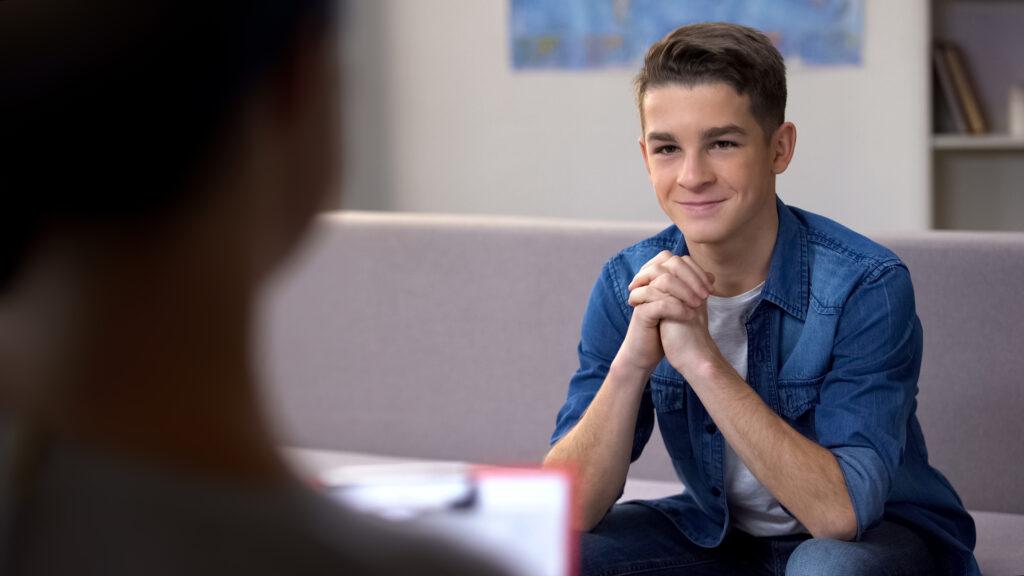

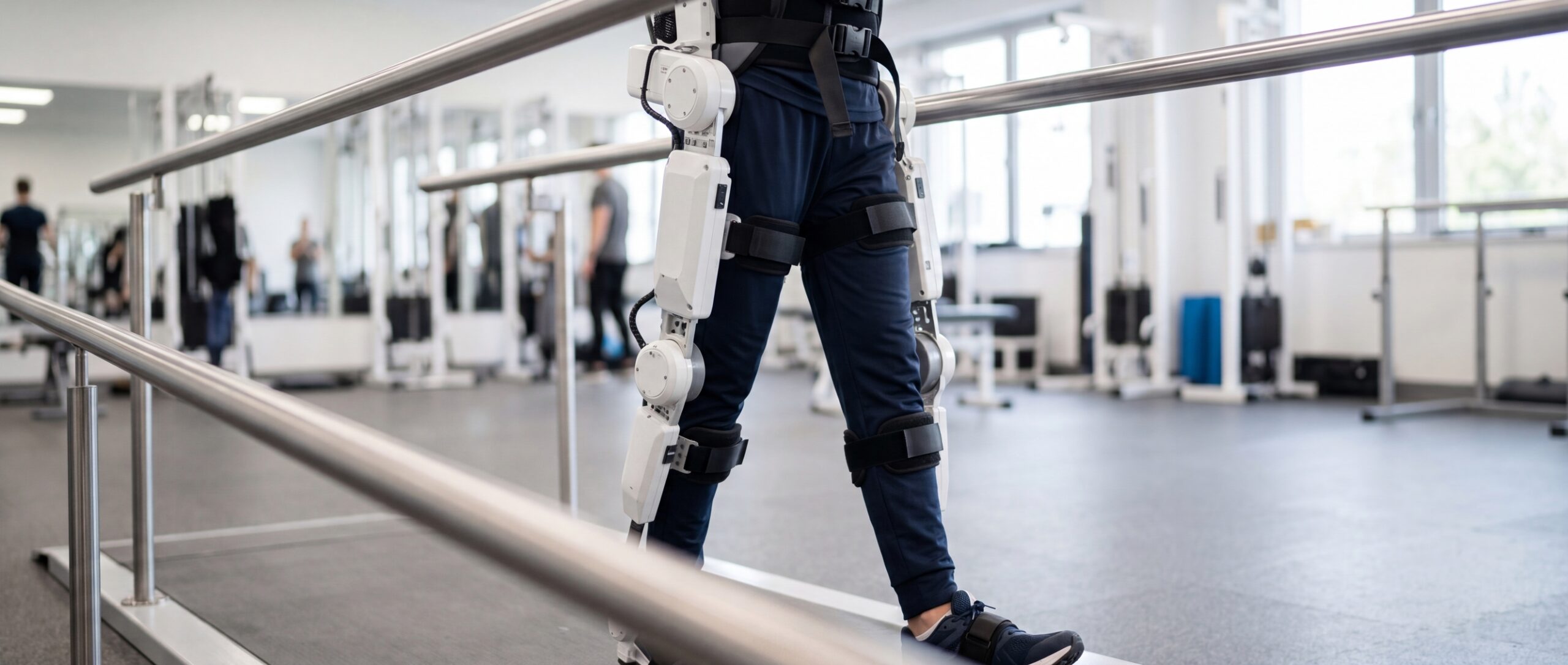
Neurorehabilitation helps people regain function after brain injury, neurological illness, or changes in cognition. Treatment may address movement, speech, memory, attention, mood, safety, and daily independence. Many patients begin after stroke, concussion, traumatic brain injury, dementia concerns, or persistent brain fog. A sound plan links diagnostic testing, therapy, caregiver education, and practical goals, so progress can be observed in the clinic and at home.
Care Starts With Assessment
A careful evaluation provides clinicians with a baseline for thinking skills, emotional status, and daily functioning. Families searching for neurorehabilitation services in Augusta, GA, often need clarity after concussion, stroke, memory decline, or ongoing cognitive fatigue. Test results help providers identify barriers, set realistic goals, select appropriate therapies, and monitor gains with clinical data rather than guesswork.
What Services Include
Neurorehabilitation can involve cognitive therapy, physical therapy, occupational therapy, speech therapy, counselling, and caregiver training. One patient may need to balance work, while another may need memory strategies or swallowing support. Treatment intensity often changes as recovery progresses. Early care may be structured and frequent, then shift into home routines, periodic review, or maintenance visits.
Common Reasons for Care
Patients may need support after concussion, traumatic brain injury, stroke, infection, tumour treatment, seizure disorder, or memory changes. Others seek help for long COVID symptoms, attention problems, developmental concerns, or cognitive fatigue. Children may need school-focused guidance. Adults often need help returning to work, driving, household tasks, community participation, or independent decision-making.
The Role of Testing
Neuropsychological testing measures attention, learning, processing speed, memory, language, problem solving, and emotional health. These findings show how brain function affects real tasks. Testing can help separate medical, psychological, developmental, and medication-related factors. Clear reports also guide physicians, therapists, schools, employers, and families. Instead of scattered concerns, the team receives a practical clinical profile.
Cognitive Rehabilitation
Cognitive rehabilitation targets attention, memory, planning, organisation, problem solving, and self-monitoring. Sessions may include structured drills, written routines, phone reminders, calendars, checklists, and error-reduction strategies. The aim is functional change. A patient may practice managing appointments, following multistep directions, completing chores, reducing mistakes, or pacing mental effort during demanding days.
Physical and Occupational Support
Physical therapy may address balance, walking, dizziness, strength, endurance, posture, and coordination. Occupational therapy focuses on bathing, dressing, cooking, writing, technology use, home safety, and energy conservation. These services help restore confidence in familiar routines. Early gains may look modest, yet consistent practice can improve independence, reduce fall risk, and ease caregiver burden.
Speech and Communication Care
Speech therapy may support word finding, comprehension, voice, swallowing, memory strategies, and social communication. Some patients struggle to follow a conversation in noisy settings. Others need help with reading, writing, safe eating, or clear speech. Goals should align with real-world situations, such as family meals, medical appointments, classroom discussions, workplace meetings, or community interactions.
Emotional Health Matters
Neurological changes can affect mood, sleep, behaviour, confidence, and relationships. Anxiety, depression, irritability, grief, and frustration are common after brain injury or disease. Counselling may help patients adjust to limits while building coping skills. Family education is equally important because loved ones need guidance on support, patience, safety, and realistic expectations during recovery.
Recovery Is Measured
Effective care uses defined goals and regular progress checks. Measures may include symptom ratings, therapy notes, activity logs, caregiver observations, school feedback, work performance, and repeat testing when clinically appropriate. These markers show what is improving and where the plan needs revision. Objective tracking helps the team avoid assumptions and make better treatment decisions.
Family Involvement
Family members often notice changes that do not appear during a short clinic visit. They may report memory lapses, fatigue, mood shifts, safety concerns, or communication trouble. Their observations help clinicians connect test findings with daily life. Education also teaches families how to encourage practice, reduce conflict, protect dignity, and support independence without taking over.
Ongoing Care Needs
Some patients recover quickly, while others need long-term clinical support. Ongoing care may include follow-up testing, therapy refreshers, medication review, school planning, workplace adjustments, or caregiver consultation. Conditions such as dementia, stroke effects, repeated concussions, or progressive neurological disease may require updated goals. The plan should change as symptoms, abilities, and responsibilities shift.
Choosing a Provider
A strong provider explains findings clearly, uses evidence-based methods, and offers practical recommendations. Families should look for careful assessment, coordinated referrals, detailed reports, and experience with neurological conditions. Access also matters. Insurance coverage, location, appointment timing, telehealth availability, and report turnaround can affect how soon treatment begins and how consistently patients can participate.
Conclusion
Neurorehabilitation offers an organised path for rebuilding function after brain-related changes. It combines assessment, therapy, education, and follow-up into goals that fit daily life. The strongest plans are practical, measurable, and flexible. With skilled care, patients and families can make sense of symptoms, strengthen useful abilities, reduce safety risks, and make informed choices about recovery and ongoing support.
Disclaimer: This article is provided for general informational and educational purposes only and does not constitute medical advice, diagnosis or treatment. Neurorehabilitation needs vary between individuals, and treatment decisions should be made in consultation with appropriately qualified healthcare professionals. Open MedScience does not endorse any specific healthcare provider, service or treatment mentioned or linked within this article. Readers should seek professional medical advice regarding any neurological symptoms, rehabilitation needs or changes in health.
home » blog » health and wellbeing »