

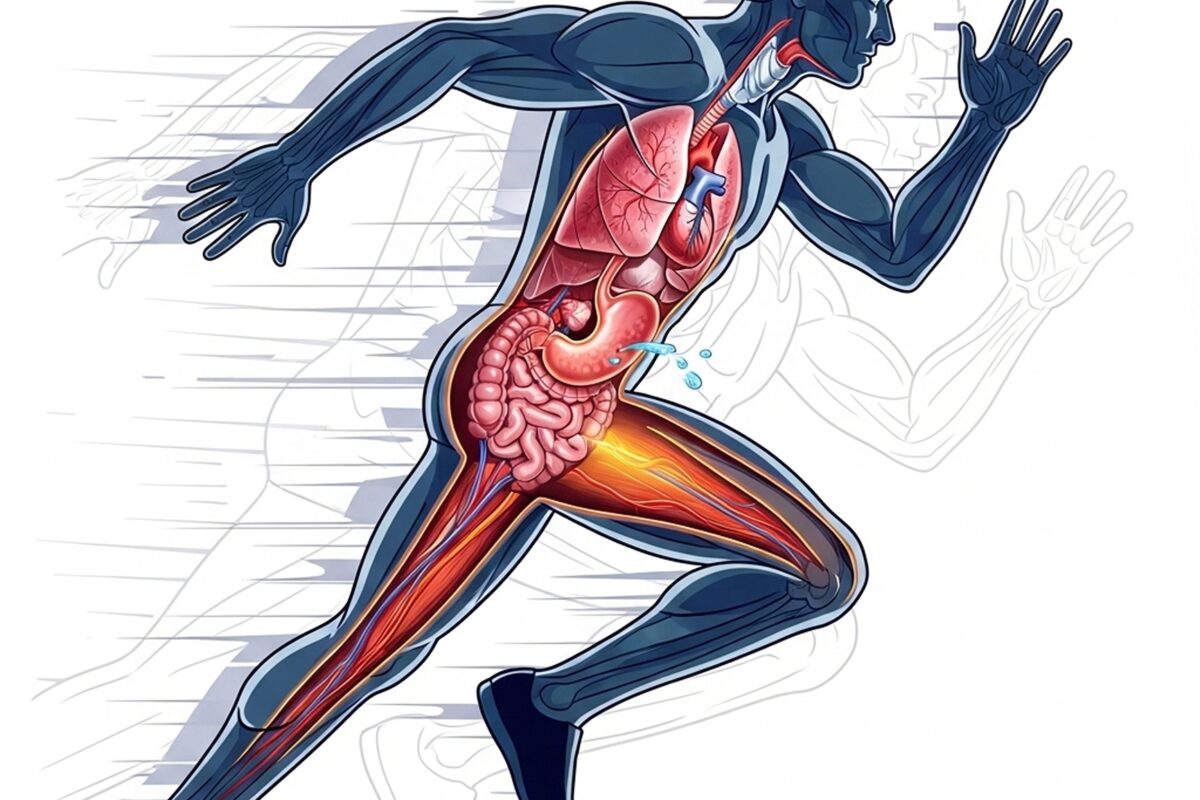
I used to think the stomach problems were just part of running. Everyone deals with it, right?
Turns out, no. Not like I was dealing with it.
For three years, I planned every run around bathroom access. Long runs meant mapping porta-potties. Races meant arriving early to scope out facilities. Some mornings, I just didn’t go out because my gut was already angry before I laced up.
I thought I was managing it. I was actually just suffering through it.
What finally changed wasn’t a magic fix. It was getting proper help and understanding that my “runner’s gut” was actually something more.
The Problem Nobody Wants to Discuss
Runners don’t talk about this stuff. It’s embarrassing.
But here’s the truth: digestive issues affect a huge percentage of endurance athletes. Some studies suggest up to 70% of runners experience GI problems during training or racing.
Most of us just deal with it quietly. We adjust our diets. We time our meals carefully. We know where every bathroom is on every route.
I did all of that for years. The symptoms kept getting worse.
What started as occasional discomfort became constant bloating. Then cramping that would hit mid-run. Then urgency that made me cut workouts short.
I blamed the running. Maybe I was pushing too hard. Maybe I needed different fuel. Maybe this was just my body telling me to slow down.
None of those were the real issue.
Finally Getting Answers
My turning point came after a particularly bad race. I’d trained for months, felt ready, and spent miles 8 through 13 searching desperately for a bathroom. Crossed the finish line defeated.
That night, I started researching properly. Not just “runner’s stomach tips” but actual digestive conditions that might explain what I was experiencing.
IBS kept coming up. The symptoms matched almost perfectly.
The challenge was finding healthcare providers who understood both the condition and my lifestyle. Most doctors I’d seen before would just say “maybe run less” or dismiss my concerns entirely.
I needed someone who got it.
Telehealth opened up options I didn’t have locally. I connected with specialists through Evergreen Doctors who focus specifically on conditions like IBS and other chronic digestive issues. Finally talking to someone who took my symptoms seriously made a huge difference.
No judgment about my running. No suggestion to just quit. Instead, actual investigation into what was happening and a plan to address it.
What I Actually Learned
Getting a proper diagnosis changed my understanding completely.
My gut issues weren’t caused by running. Running was just exposing an underlying problem that existed all the time. The physical stress of exercise amplified symptoms that were simmering beneath the surface.
This reframing mattered. I wasn’t broken as a runner. I had a condition that needed management, and running was part of my life that had to fit within that management.
My care team helped me identify trigger foods. Some were obvious once I paid attention. Others surprised me completely.
We worked on stress management too. Turns out the anxiety I felt about potential stomach issues during runs was making those issues more likely. Vicious cycle.
Sleep quality came up repeatedly. Poor sleep worsens digestive symptoms. Digestive discomfort worsens sleep. Another cycle that needed breaking.
The holistic approach made sense. This wasn’t about one quick fix. It was about understanding how everything connected.
The Supplement Question
Here’s where I was skeptical at first.
My practitioner recommended specific supplements to support gut health. Probiotics. Digestive enzymes. A few other targeted options based on my particular situation.
I’d tried random supplements before. Grabbed whatever looked promising off store shelves. Nothing helped much.
This felt different because the recommendations came from someone who actually understood my case. Not generic advice, but specific protocols based on my symptoms and test results.
My practitioner used Fullscript to share her recommendations. It’s an online supplement store that works through healthcare providers, so you’re getting professional-grade products your practitioner specifically selected for you. Not guessing at the vitamin aisle.
Having that guidance removed the confusion. I knew exactly what to take, what dosages made sense, and why each supplement was part of my protocol.
Within a couple of months, I noticed real changes. Less bloating. More predictable digestion. Runs that didn’t revolve around bathroom anxiety.
Adjusting My Training
Better gut health didn’t mean I could ignore everything else. I still had to be smart about how I trained.
Timing meals became less stressful but still mattered. I learned my body needs about three hours between eating and harder efforts. Easy runs are more forgiving.
The hydration strategy changed, too. Sipping consistently works better than gulping large amounts. Electrolytes help, but some formulations bothered my stomach more than others.
I experimented with different race fuels until finding ones that worked. What my training partners used wasn’t necessarily right for me. Individual variation is huge.
Heat makes everything harder. Summer running requires extra caution. I adjusted expectations rather than forcing my body through conditions that guaranteed problems.
The mental shift was the biggest. I stopped dreading runs. Stopped catastrophizing about what might happen. I started trusting my body again.
That confidence itself improved performance.
Building the Right Support Team
I used to think I could figure everything out alone. Research enough, experiment enough, and eventually solve any problem.
That approach kept me struggling for years longer than necessary.
What actually helped was assembling people who knew more than me about specific things.
A gastroenterologist who understood functional gut disorders. A dietitian who worked with endurance athletes. A coach willing to adjust training based on how my body was responding.
These relationships took time to build. Some providers weren’t the right fit. I had to advocate for myself and keep searching until I found people who listened.
Telehealth expanded my options significantly. Living in a smaller city meant limited local specialists. Being able to consult with experts remotely changed what was possible.
What I Know Now
Three things I wish someone had told me earlier.
First, persistent digestive issues aren’t normal, even for runners. The “everyone deals with it” dismissal kept me from seeking help for too long. Yes, some GI stress during intense exercise is common. Constant problems that affect your training and daily life deserve investigation.
Second, the right healthcare providers exist. You might need to search beyond your immediate options. Telehealth makes specialists accessible regardless of where you live. Don’t settle for practitioners who dismiss your concerns or don’t understand athletic lifestyles.
Third, solutions are usually multifaceted. Diet changes helped. Stress management helped. Quality supplements prescribed by my practitioner helped. Better sleep helped. No single intervention fixed everything, but together they transformed my experience.
Running Feels Different Now
I still deal with occasional symptoms. This isn’t a condition that disappears completely. But it’s managed in ways that let me live the life I want.
Long runs don’t require bathroom mapping anymore. Race mornings feel exciting instead of anxious. I can focus on performance instead of survival.
Last month I ran my fastest half marathon in four years. Not because I trained harder than before. Because I finally addressed what was holding me back.
The runner I am now is smarter than the runner I was. More patient. More willing to ask for help. More aware that pushing through everything isn’t strength.
Sometimes the bravest thing is admitting something’s wrong and finding people who can help you fix it.
If This Sounds Familiar
You might be reading this and recognizing yourself. The bathroom calculations. The limited routes. The races cut short.
Please don’t wait as long as I did.
Talk to someone who specializes in these conditions. Get a proper evaluation instead of guessing. Find practitioners who take you seriously and understand that quitting your sport isn’t an acceptable solution.
Running gives us so much. Stress relief. Community. A sense of capability that carries into everything else.
You deserve to experience that without your body fighting you every step.
Help exists. The answers exist. You just have to go looking for them.
Your gut might be trying to tell you something. Maybe it’s time to listen.
Disclaimer
This article is based on personal experience and is shared for information and reflection only. It is not intended to provide medical advice, diagnosis, or treatment, nor should it be used as a substitute for guidance from a qualified healthcare professional. Digestive symptoms, exercise tolerance, and responses to supplements can vary widely between individuals. If you have ongoing gastrointestinal problems, changes in your health, or concerns about running or other physical activity, you should seek advice from your GP, a registered dietitian, or an appropriate medical specialist before making any decisions about your care, training, or nutrition.
Any reference to healthcare providers, telehealth services, products, or supplement platforms is included for contextual illustration and does not constitute an endorsement or guarantee of suitability. Where supplements are discussed, they should only be used under professional supervision. The authors and publishers of Open MedScience accept no responsibility for any actions taken based on the content of this article. If you experience severe or urgent symptoms, contact emergency services or an appropriate urgent care provider without delay.
home » blog » health and wellbeing »