

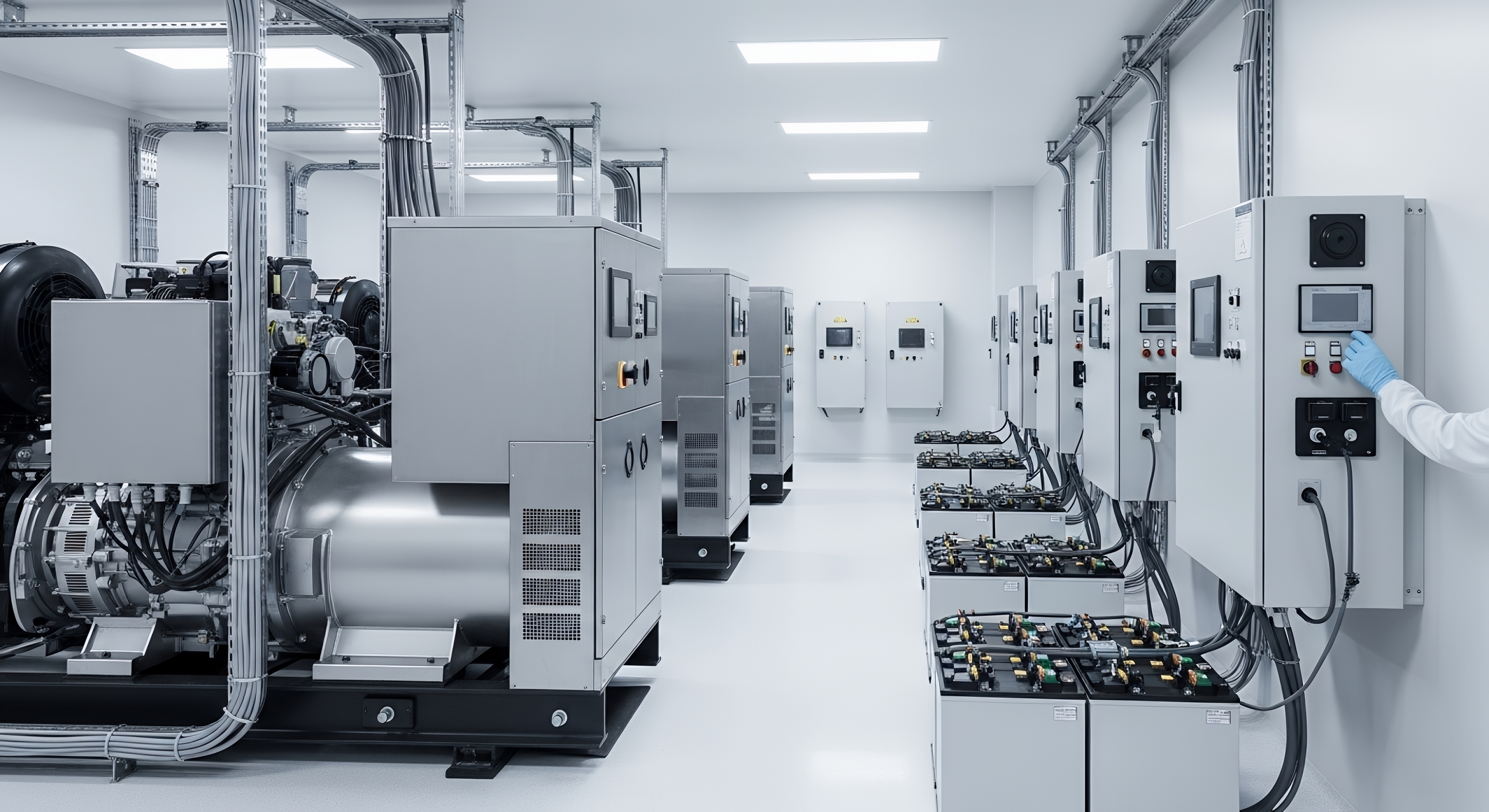
Power failure is not just a facilities issue in healthcare. It can become a clinical risk. Lights, monitors, lifts, imaging equipment, refrigeration, sterilization systems, oxygen support, electronic records, and communication tools all depend on steady power.
When that power is interrupted, staff lose time, patients face delays, and critical decisions become harder. Good backup power planning gives healthcare leaders control before pressure rises. This article explains why backup power planning matters for patient safety in healthcare facilities.
1. It protects critical care when the grid fails
Healthcare facilities cannot treat power loss as a rare inconvenience. Even a short outage can affect emergency rooms, operating areas, intensive care units, diagnostic suites, and recovery spaces. Backup planning helps leaders decide which systems must stay active, how much load they require, and how long they must run without grid support.
This is where temporary and standby solutions like generator rentals by Holt matter. Facilities reviewing generator rentals should think beyond equipment access and focus on readiness. The key question is whether the power plan can support essential services during an outage, planned maintenance, or emergency. A strong plan should identify:
- Life-support and monitoring systems
- Emergency lighting and nurse call systems
- Refrigeration for medicines, vaccines, and samples
- IT systems, access controls, and communication tools…
Patient safety depends on knowing these priorities before disruption happens.
2. It keeps clinical teams focused on care
When backup power is unclear, staff must improvise. Nurses may move patients, technicians may pause procedures, and administrators may chase updates instead of coordinating care. This creates friction.
A clear backup power plan removes that uncertainty. Staff know which areas remain powered, which services can continue, and which procedures should be delayed. This clarity supports faster decisions and calmer communication. In healthcare, safety is tied to workflow. If the power plan protects the workflow, clinical teams can stay focused on patients instead of infrastructure.
3. It reduces equipment and data risk
Modern healthcare depends on sensitive equipment. Imaging systems, laboratory machines, infusion pumps, servers, pharmacy systems, and diagnostic devices can all be affected by unstable power. A sudden outage can interrupt tests, damage components, corrupt data, or force repeat procedures.
Backup power planning helps reduce this exposure. It also supports safe shutdown processes where full continuity is not possible. Not every system needs the same level of backup, but every important system needs a defined response. Facilities should review:
- Which machines need uninterrupted power
- Which systems need surge protection
- Which departments rely on digital records
- Which vendors require specific shutdown procedures
4. It supports safer emergency response
Healthcare facilities often face higher demand during storms, fires, heat waves, accidents, and public health emergencies. These are also moments when the wider power grid may be under stress. A facility that loses power during a surge in demand becomes less able to respond.
Backup power planning supports resilience. It allows leaders to map emergency zones, fuel needs, staffing workflows, patient transfer options, and communication lines. It also helps facilities test whether backup capacity matches real emergency conditions.
5. It helps facilities prepare for longer disruptions
Not every outage ends quickly. Severe weather, utility failures, construction issues, equipment breakdowns, and regional emergencies can create extended disruption. Healthcare facilities need plans that go beyond a short battery window.
This means thinking about fuel supply, generator capacity, maintenance access, equipment testing, transfer switches, and vendor response times. It also means reviewing the plan after renovations, service expansions, or new equipment installations. Backup power planning should not sit in a binder. A new imaging unit, expanded lab, larger pharmacy, or added patient wing can change the facility’s power profile.
6. It turns compliance into practical readiness
Healthcare facilities often have safety standards, inspection requirements, and internal risk policies. However, compliance alone is not enough. A backup generator that exists on paper may still fail if it is not tested, fuelled, maintained, or matched to the right load.
Practical readiness means turning policies into working habits. This includes scheduled testing, staff training, vendor coordination, fuel planning, and post-incident reviews. It also means updating the plan when services expand, equipment changes, or patient volumes increase. The best backup power plans are living systems. They reflect how the facility actually operates, not how it looked years ago.
Endnote
Backup power planning is easy to overlook because it sits behind the clinical work. However, when power fails, it becomes part of patient care. Strong planning protects critical systems, reduces staff confusion, preserves medical supplies, and helps facilities respond under pressure. Healthcare leaders should treat backup power as a safety investment, not a facility’s afterthought.
Disclaimer: The information provided in this article is for general informational purposes only and does not constitute medical, technical, engineering, or legal advice. Healthcare facilities should consult qualified professionals when assessing backup power requirements, emergency preparedness, regulatory compliance, and patient safety procedures. Open MedScience accepts no responsibility for any loss, disruption, or damage arising from reliance on the information contained in this article.
home » blog » health matters »