

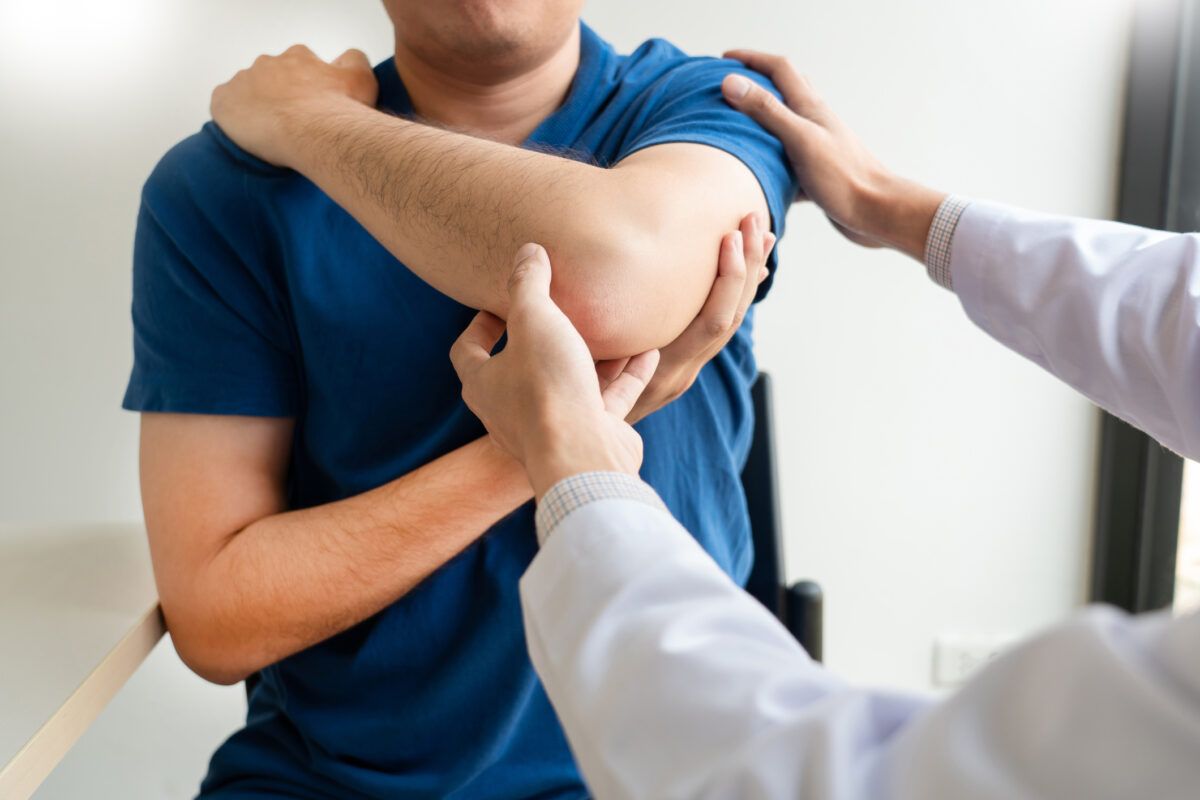
Physical injury recovery is hard work.
The physical side of recovery gets all the attention. The surgeries. The endless rounds of physiotherapy. The painkillers.
But there’s another side to recovery that hardly anyone talks about…
Your emotional wellbeing.
It’s understandable that emotional wellbeing often goes overlooked. But when it does, recovery takes longer, complications can arise, and your quality of life suffers.
Here is why emotional support should be a priority, not an afterthought.
Here’s what’s covered:
- Your Brain and Body are Connected (Like, Trust Me, They Really Are)
- Depression, Anxiety, PTSD: Physical Injuries You can’t See
- Emotions Matter – This is How Emotional Support Helps Physical Recovery
- Types of Emotional Support that Really Helps
- Signs You Need Professional Emotional Support
Your Brain and Body are Connected (Like, Trust Me, They Really Are)
Guess what happens to your brain when you’re recovering from a physical injury…
It doesn’t take a wellness blog to tell you these two things are connected. Your brain chemistry has a direct impact on your body’s ability to heal.
When you’re stressed, anxious, or depressed your body produces more cortisol. Cortisol tricks your body into thinking you are in danger, which means it won’t allow itself to heal.
Simply put: High cortisol = High inflammation = Slow healing.
You need to take care of your mind to take care of your body.
They need to recover together.
Depression, Anxiety, and PTSD: Physical Injuries You can’t See
All of the broken bones and scars you gained from your injury show up on an X-ray. But depression, anxiety, and PTSD don’t.
Unlike physical injuries, these “invisible injuries” are often left to recover on their own. But here’s the thing.
Suffering an injury, especially from something someone else caused like accidents, falls, and defective products can create serious mental health repercussions. In these situations, consulting this Houston personal injury attorney can help address both the legal and emotional dimensions of recovery.
Need some proof?
Depression affects 1 in 3 injured persons within the first three months of injury. Certain injuries have also shown to have a strong link to PTSD with studies suggesting that up to 50% of those who suffer from an injury will develop it.
PTSD can look like flashbacks of the accident or incident that caused your injury. It can look like fear of your injury happening again. Or it can look like refusing to go to physical therapy because you’re scared.
Anxiety is another common consequence of injury.
Fear of permanent damage, mounting bills, loss of independence, relationship problems with your spouse, or injury.
If you’re experiencing emotional distress after an injury, you’re at risk for higher levels of pain and disability six months down the road.
And it creates a vicious, painful cycle.
This emotional burden isn’t some small problem that people recover from on their own. Major depressive disorder, PTSD, anxiety – they all impact your recovery.
Emotions Matter – This is How Emotional Support Helps Physical Recovery
Here’s the other thing about emotional support during injury recovery.
When someone has a good support system they not only recover emotionally, but physically too.
Some studies have shown that psychological factors play a role in 38% of whether a person recovers from their injury. That’s right. Over a third of your recovery is influenced by your mental wellbeing.
The more depressed and anxious injured patients were after experiencing an injury, the poorer they rated their mobility, physical activity levels, and overall social function. This was true even 18 months after the injury occurred.
Here’s how emotional support can help you recover physically:
- Lower cortisol means lower inflammation and your body can start to repair what’s damaged
- Someone who is in a good headspace is more likely to complete their PT exercises
- You’ll have less fear of something happening to you again
- Emotional support helps you sleep better at night and your body recovers while you sleep
Your body heals faster when your mind believes it will.
Types of Emotional Support that Really Helps
Emotional support is important. Of course, friends and family want to help, but what can they actually do?
Here are some things that friends, family, healthcare professionals, and professional support services can do to provide emotional support after an injury:
From friends and family:
- Check in regularly. Don’t just disappear after the first week of recovery.
- Help with tasks. Bring over dinner. Drive to doctor’s appointments. Help with housework.
- Let them vent. Listen without trying to minimise their feelings or make it better with cliches.
- Celebrate the little wins. Recovery is filled with small victories.
From your doctor/physical therapist:
- Check in mentally as well as physically
- Ask how the injury is impacting daily life, relationships, and mental health.
- Make referrals to psychologists or therapists if signs of depression or PTSD begin to show.
From a professional support service:
- Work to address any fears of reinjury through CBT
- Provide group support from others who are going through the same thing
- Teach mindfulness exercises to help reduce chronic pain.
Don’t take the support for granted. Recovery takes time. Having people to lean on throughout the entire process matters.
Signs You Need Professional Emotional Support
Should a therapist be contacted every time feelings are low during recovery?
No.
Feelings are valid, but sometimes intense after an injury. But if some of the following symptoms are present, it may be time to reach out to a professional:
- Not feeling like the usual self after a few weeks
- Experiencing sleeping problems, nightmares, or flashbacks related to the injury
- Isolating from family and friends
- Feeling afraid to attend PT sessions
- No longer finding pleasure in things that were once enjoyable
- Feeling hopeless about recovery
These are serious signs that it’s time to talk to someone.
Reaching out for professional mental health support will quicken recovery time and overall ability to recover.
Wrap Up
Too often, recovery is assumed to begin and end with the physical.
Injuries take an emotional toll. And when emotional needs aren’t met, recovery suffers.
But when there are people who have your back 100%, recovery is faster, and outcomes are better overall.
Emotional health is just as important as physical health.
Don’t neglect it.
Disclaimer: This article is provided for general informational and educational purposes only and does not constitute medical, mental health, or legal advice. The content is not intended to replace consultation with a qualified doctor, physiotherapist, psychologist, counsellor, solicitor, or other appropriate professional. Recovery from physical injury and its emotional effects can vary widely from person to person. Readers experiencing ongoing pain, psychological distress, worsening symptoms, or concerns about their recovery should seek advice from a suitably qualified healthcare professional.
home » blog » health and wellbeing »