
Feeling wired but tired has become a common experience. Many people move through the day with a mix of tension, mental fatigue, and a sense that their energy never quite catches up with their to do list. Among the various factors that influence this pattern, magnesium quietly plays a central role. It is involved in both how the nervous system responds to stress and how cells produce usable energy.
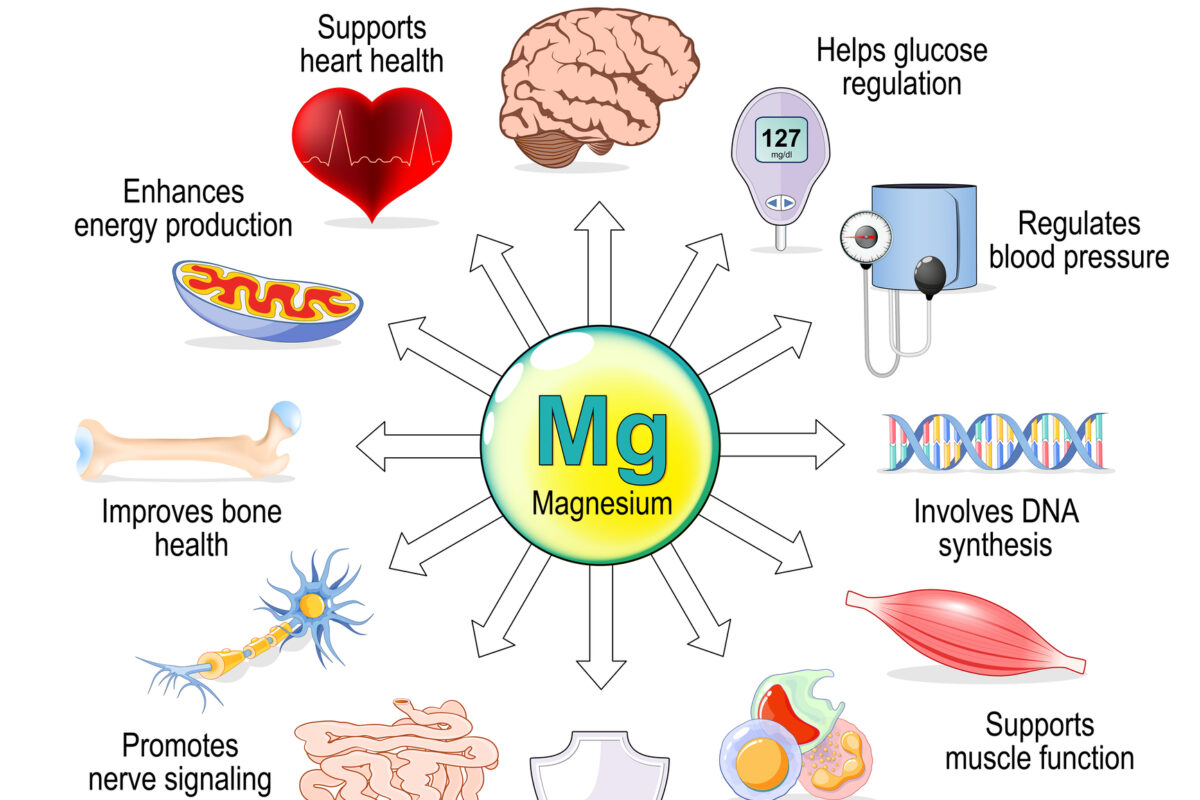
Magnesium is an essential mineral that participates in hundreds of enzymatic reactions throughout the body, including those that regulate nerve signalling, muscle contraction and relaxation, blood sugar control, and blood pressure. It also helps stabilise ATP, the basic energy currency in cells, so that energy from food can be turned into work. For people looking for targeted nutritional strategies, a magnesium supplement is sometimes considered as one piece of a broader approach that includes food, sleep, and stress management.
To understand why magnesium matters so much for stress relief and daily energy balance, it helps to look at two levels at once. On one level, there is the whole person experience of feeling tense, restless, sluggish, or calm. On another level, there is the cellular reality of neurotransmitters, hormones, and energy-producing machinery that rely on magnesium as a cofactor.
Magnesium and the Stress Response
The body’s stress response is coordinated largely through the hypothalamic pituitary adrenal axis. When a stressor appears, this system signals the release of stress hormones such as cortisol and adrenaline. Magnesium influences this system in several ways.
Research suggests that low magnesium intake can contribute to dysregulation of the stress response and is associated with symptoms such as irritability, anxiety, and reduced stress tolerance. Experimental work has shown that magnesium deficiency can increase excitability in the central nervous system, while adequate levels help buffer against overactivation.
Magnesium also interacts with neurotransmitter systems that are important for mood and calm, including serotonin and GABA. In cell and animal models, magnesium has been shown to modulate serotonin receptors and support inhibitory signalling that helps balance excitatory activity in the brain. This does not mean magnesium is a standalone treatment for stress-related conditions, but it helps explain why low levels can make stress feel harder to handle.
The Vicious Circle Of Stress And Magnesium Loss
Stress and magnesium status can influence each other in a loop.
- Acute and chronic stress can increase magnesium loss through urine.
- As magnesium stores decline, the body’s ability to regulate stress responses may be impaired.
- This can lead to higher perceived stress, which can further deplete magnesium.
Breaking this loop often involves working on both sides – reducing unnecessary stress load where possible and supporting the body’s mineral balance through diet and, when appropriate, supplementation under professional guidance.
Magnesium and Cellular Energy Production
Daily energy levels are not just about motivation or mindset. They depend on how efficiently cells produce ATP, the molecule that powers most cellular work. Almost all ATP in the body exists as a complex with magnesium, often written as MgATP.
Magnesium supports energy metabolism in several ways:
- It stabilises ATP so that enzymes can use it effectively.
- It acts as a cofactor for enzymes involved in glycolysis and oxidative phosphorylation, the main pathways for extracting energy from nutrients.
- It participates in the function of mitochondria, the structures often referred to as the powerhouses of the cell.
When magnesium is insufficient, ATP production can be less efficient. People may experience this as low stamina, a more rapid onset of fatigue, or a general sense of running on empty despite adequate sleep.
Muscles, Relaxation, and Physical Fatigue
On a practical level, many people first notice magnesium’s role in the body through its effects on muscles. Calcium signals muscle fibres to contract, while magnesium helps them relax. If magnesium is low, muscle relaxation can be impaired, contributing to cramps, tightness, and feelings of physical tension.
Because skeletal muscles are large consumers of ATP, any disruption in energy supply can also be felt as heavy limbs or poor exercise recovery. Adequate magnesium supports smoother cycles of contraction and relaxation and better energy use during movement.
Why Magnesium Insufficiency Is Common
Despite its importance, mild to moderate magnesium insufficiency is relatively common. Several factors contribute:
- Diets that emphasise refined grains and processed foods often provide less magnesium than diets rich in whole grains, legumes, nuts, and leafy greens.
- Agricultural soil depletion may reduce the magnesium content of some plant foods compared with historical levels.
- High intake of certain substances, such as alcohol, can interfere with magnesium absorption or increase its excretion.
- Certain medications and health conditions can influence magnesium balance.
Over time, chronically low intake can contribute to higher risks of conditions such as hypertension, type 2 diabetes, and migraines, which are themselves associated with altered stress and energy patterns.
Food First, Then Thoughtful Supplement Use
For most people, a reasonable starting point is to look at dietary patterns. Foods naturally rich in magnesium include:
- Pumpkin seeds, almonds, cashews, and other nuts and seeds
- Black beans, lentils, and other legumes
- Spinach and other dark leafy greens
- Whole grains such as brown rice and oats
Building these foods into meals can help support baseline intake. When considering supplements, it is important to remember that different forms of magnesium have different absorption characteristics and effects on the digestive system. Some forms are more likely to loosen stools, for example, which can be helpful or problematic depending on the context.
Because magnesium can interact with medications and is processed by the kidneys, it is advisable to discuss supplementation with a healthcare professional, particularly for people with kidney disease, heart conditions, or those taking diuretics, antibiotics, or other regular medications. A general overview of magnesium’s roles and potential health effects is available through the entry on magnesium deficiency.
Integrating Magnesium Into A Broader Stress And Energy Plan
Magnesium is one piece of a much larger puzzle that includes sleep quality, physical activity, emotional coping strategies, and overall nutrition. Its roles in stress regulation and energy production make it a meaningful factor, but it works within a system.
Practical steps might include:
- Checking whether meals regularly include magnesium-rich foods.
- Paying attention to signs of muscle tension, cramps, or persistent fatigue and discussing them with a clinician.
- Considering lab testing of magnesium status in appropriate clinical contexts, recognising that blood levels do not always reflect total body stores.
- Combining any magnesium strategy with efforts to improve sleep, introduce movement, and address chronic stressors where possible.
Taken together, these steps can help shift the daily experience of stress and energy from reactive and depleted toward steadier and more resilient. Magnesium does not remove stress from modern life, but by supporting the biochemical foundations of calm and cellular power, it can help the body respond to challenges with a little more stability.
Disclaimer: This article is for general informational purposes only and is not medical advice. Always consult a qualified healthcare professional before starting any supplement, especially if you have a medical condition or take prescribed medication.
home » blog » nutraceuticals »