

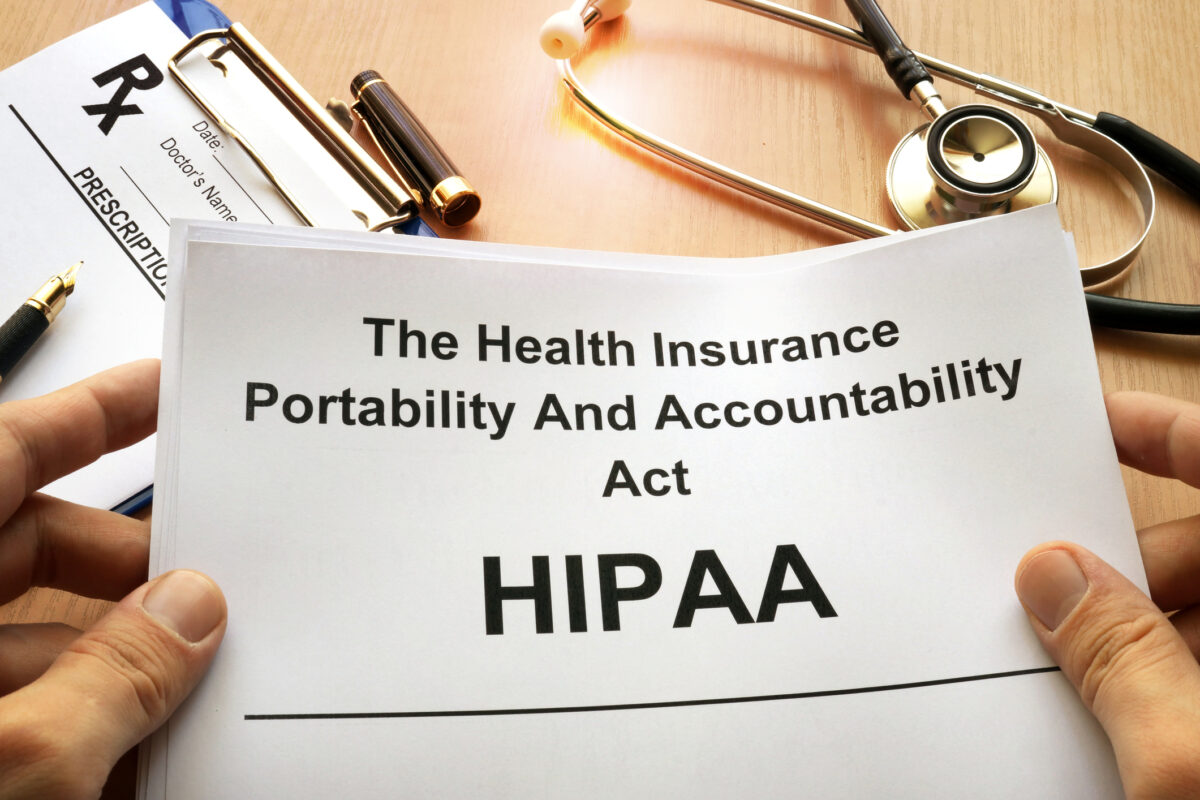
Three proven ways to secure private health information include implementing advanced threat protection, utilising encrypted communications, and ensuring continuous compliance with data regulations. These strategies together prevent unauthorised access and protect sensitive patient records.
Robust medical data protection is critical for modern healthcare facilities facing escalating ransomware threats and targeted cyberattacks.
By securing networks and communication channels, IT teams can maintain operational continuity and avoid severe financial penalties associated with data breaches. Implementing platforms like Trustifi’s robust email security can help organisations apply necessary encryption standards seamlessly.
For IT managers and compliance officers, safeguarding electronic protected health information is fundamentally a patient safety necessity that requires immediate practical action.
1. Implement Advanced Threat Protection
Cybercriminals consistently target healthcare networks because legacy systems and highly valuable medical records create lucrative opportunities.
A significant portion of the largest healthcare data breaches involve third-party vendors, including the record-setting Change Healthcare incident impacting nearly 190 million people; however, healthcare providers like hospitals report the majority of incidents by total number.
Modern advanced threat protection addresses this landscape of malware, business email compromise, and phishing by securing multiple vulnerability points simultaneously.
To establish a resilient perimeter, organisations should focus on the following core implementations:
- Deploy AI-driven email scanning protocols to quarantine weaponised attachments and malicious links before they reach administrative or clinical inboxes.
- Segregate clinical networks from general administrative networks, implement endpoint detection and response systems, and strictly apply least-privilege access rules.
- Enable continuous security operations centre monitoring alongside automated incident response playbooks.
- Activate data loss prevention policies to automatically block outbound electronic protected health information sent to unauthorised external domains.
Pro Tip: Segregating clinical systems from administrative networks is a foundational step. Combine this with strict least-privilege access rules to prevent malware from spreading laterally across your entire healthcare infrastructure.
2. Use Encrypted Communications
Even the strongest perimeter defences can fail if daily communications travel in plain text. Email remains a primary attack vector because it integrates with nearly every operational workflow, from billing and claims to specialist referrals.
Protecting electronic protected health information both in transit and at rest is a mandatory compliance requirement under HIPAA.
Implementing proper encryption serves two main functions for healthcare organisations. At-rest encryption secures stored messages and attachments on local servers or mobile devices.
Meanwhile, in-transit encryption prevents unauthorised interception while data moves between the sender and the recipient’s mail servers.
Effective encryption workflows typically operate through automated processes:
- Messages are automatically encrypted using standard AES-256 protocols before leaving the network.
- Recipients access the content through standard inboxes, with decryption keys applied seamlessly in the background.
- Administrators retain real-time tracking capabilities on message opens, file downloads, and forwarding attempts.
Failing to secure these channels carries significant regulatory consequences. Deploying user-friendly encryption ensures that administrators and clinicians do not resort to insecure workarounds that expose sensitive data.
Important: Never allow staff to use insecure workarounds for convenience. Transmitting unencrypted ePHI not only violates HIPAA requirements but can immediately expose your facility to multi-million dollar regulatory settlements.
3. Ensure Continuous Compliance With Data Regulations
Implementing security technology covers only half the requirements for modern healthcare facilities. Ongoing governance is what truly sustains data protection over time.
Healthcare remains a consequential breach target, accounting for 66% of all affected individuals in 2025 across hospital systems, radiology practices, and dental groups.
Conduct Routine Risk Assessments and Vendor Reviews
HIPAA regulations require yearly or event-based security risk analyses to maintain operational integrity. In 2025, the Data Breach Chronology captured 8,019 data breach notification filings, representing 4,080 unique breach events impacting at least 375 million individuals.
IT departments must thoroughly evaluate every external vendor that handles protected health information to ensure their encryption standards meet federal requirements.
Train Staff and Enforce Multifactor Authentication
While multifactor authentication effectively blocks the vast majority of password-based attacks, adoption across clinical applications remains inconsistent. Combining mandatory multifactor authentication with regular phishing simulations creates a more resilient workforce.
Maintain Policy Documentation and Audit Trails
Written policies covering role-based access rules and breach notification procedures are essential for demonstrating regulatory compliance during external audits.
Centralising access logs, encryption receipts, and data loss prevention alerts accelerates incident response and simplifies mandatory reporting. Governance gaps can lead to severe penalties when incidents occur.
Key Insight: Technology alone cannot prevent data breaches. With over half of healthcare cyberattacks originating from credential theft, continuous employee training and mandatory multifactor authentication are your strongest defence mechanisms.
Building a Resilient Security Posture
The landscape of cybersecurity in healthcare evolves continuously, requiring IT teams to remain proactive rather than reactive.
By deploying comprehensive threat protection, establishing reliable encrypted communication channels, and maintaining rigorous compliance governance, healthcare facilities can effectively mitigate their largest operational risks.
Strengthening these three core areas allows organisations to confidently navigate the digital landscape.
Protecting sensitive information must remain a foundational element of everyday clinical operations. Maintaining focus on delivering safe, uninterrupted patient care requires diligent adherence to modern security protocols.
Organisations should prioritise updating their defensive measures to stay ahead of sophisticated digital threats.
Disclaimer
The information presented in this article is provided for general educational and informational purposes only and does not constitute legal, regulatory, or cybersecurity advice. While Open MedScience aims to ensure accuracy at the time of publication, healthcare organisations should consult qualified legal, compliance, and information security professionals before implementing any data protection measures or making decisions related to the handling of protected health information. References to specific technologies or services are included for illustrative purposes and do not represent endorsements by Open MedScience.