
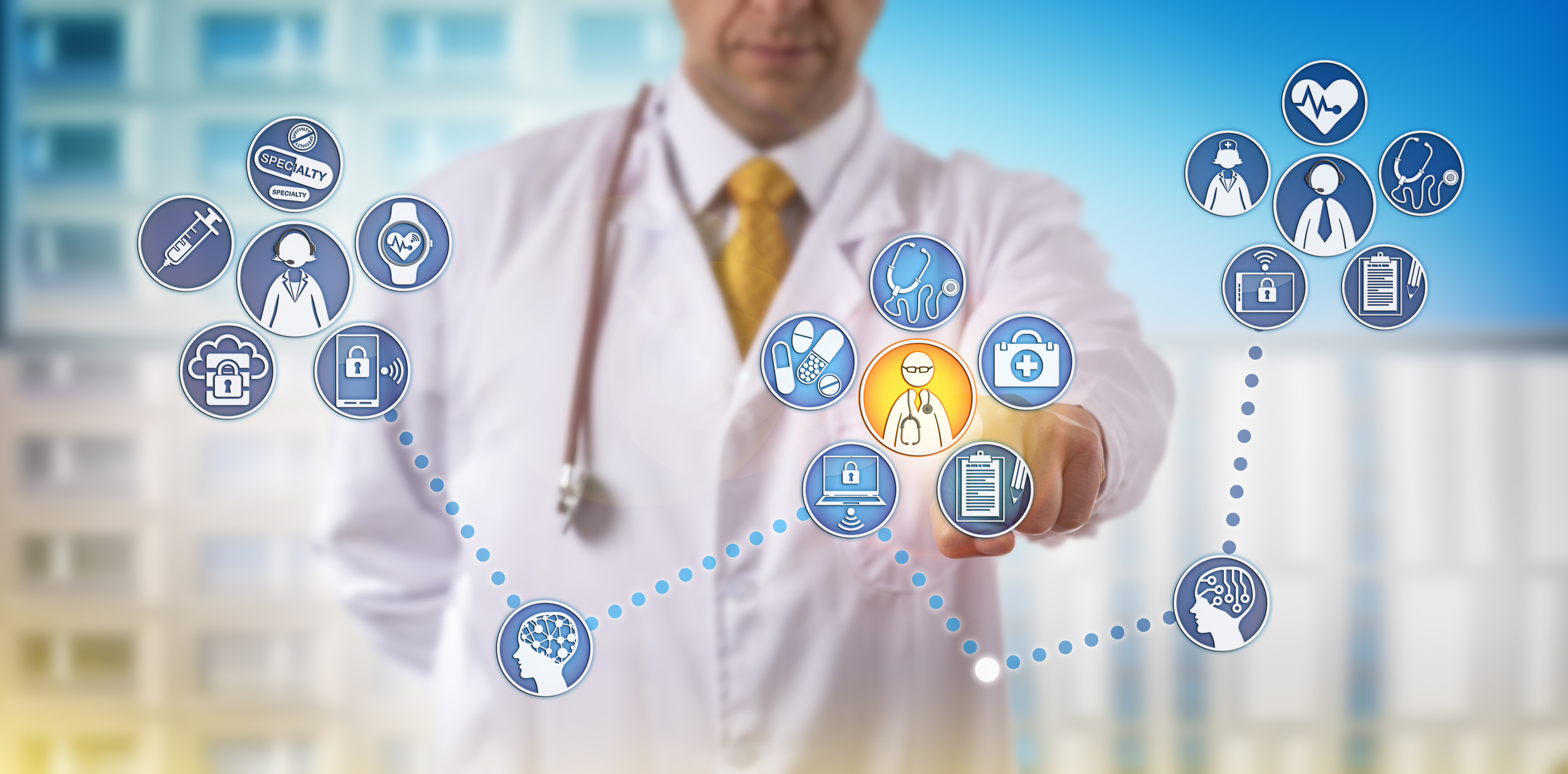
Telemedicine has moved far beyond video calls. What began as a temporary solution for remote consultations is now a full-scale digital ecosystem supporting diagnostics, monitoring, triage, and clinical decision-making. Modern telemedicine apps no longer simply connect a patient and a doctor — they streamline entire clinical workflows.
Today’s platforms integrate scheduling, symptom assessment, AI-driven insights, secure data exchange, and continuous monitoring. This shift allows clinicians to work with more precision and less administrative burden. It also gives patients faster access to accurate care.
How Virtual Consultations Streamline Clinical Workflows
Virtual consultations have become the core entry point for many care journeys. They reduce wait times, remove travel barriers, and allow clinicians to prioritise cases more effectively. Instead of spending time on routine in-person visits, clinicians focus on diagnosis, treatment planning, and high-value interactions. The consult becomes faster, clearer, and easier to manage.
A major reason this model works is the growing maturity of platforms that support scheduling, patient intake, and secure communication in one place. Many of these capabilities are the result of advances in telemedicine software development, which integrate essential features like encrypted communication, EHR connectivity, remote documentation, and built-in triage tools. These technologies help providers move smoothly from appointment request to resolution without relying on fragmented systems.
Streamlined Intake Reduces Administrative Burden
Telemedicine platforms often automate tasks that once slowed clinics down. Digital forms capture symptoms, health history, and insurance information before the consultation begins. This reduces manual data entry and allows clinicians to start with context instead of questions.
Real-Time Access to Patient Records Enhances Decision-Making
When telemedicine systems connect directly to electronic health records, doctors can review medication lists, allergies, past diagnoses, and lab results during the call. This eliminates back-and-forth communication with administrative staff and ensures decisions are informed and safe.
Virtual Triage Improves Resource Allocation
Triage systems built into telemedicine apps help route patients to the right level of care. Some conditions require only a short call; others need an in-person exam. Automated triage ensures clinicians spend time where it matters most.
The Role of AI Diagnostics in Modern Telemedicine Apps
AI diagnostics amplify what clinicians can do in virtual environments. These tools analyse symptoms, images, patterns, and medical history to highlight potential risks or conditions before the doctor joins the call. Instead of starting from zero, clinicians begin with structured insight.
AI doesn’t replace judgment. It accelerates it. It helps clinicians filter noise, catch early warning signs, and reduce the risk of oversight — especially during high-volume periods.
Symptom Checkers That Provide Structured Pre-Visit Data
AI-powered symptom checkers guide patients through targeted questions. The system evaluates the responses and generates a structured summary, often suggesting possible causes. This helps clinicians:
- understand the patient’s primary concern
- reduce repetitive questioning
- focus on critical details instead of basic screening
Because the summary is standardised, clinicians spend less time decoding descriptions and more time on direct assessment.
Image Analysis Improves Diagnostic Accuracy
Telemedicine often relies on images — rashes, wounds, swelling, respiratory patterns, and eye irritation. AI models trained on medical datasets can analyse these visuals and flag abnormalities. They detect patterns that may be difficult to see over a low-bandwidth video call.
Examples include:
- identifying early-stage infections
- assessing dermatological conditions
- detecting respiratory distress through facial cues
- analysing swelling or discolouration
These insights give doctors a clearer picture of the situation before they intervene.
Predictive Models That Support Clinical Decisions
Predictive AI systems calculate risk scores based on the patient’s data. They highlight:
- likelihood of disease progression
- medication conflicts
- comorbidity risks
- potential emergency indicators
This information helps clinicians make safer and more confident decisions during virtual visits.
How Next-Gen Platforms Integrate Care, Data, and Continuous Monitoring
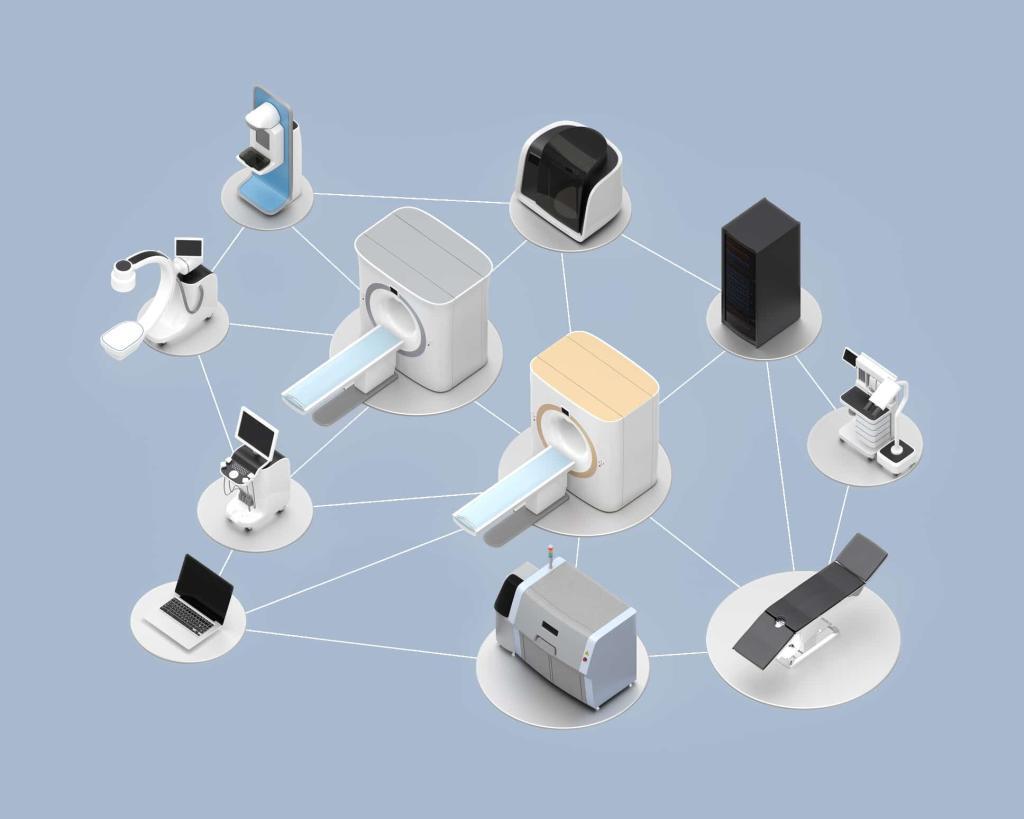
Next-generation telemedicine systems are no longer isolated tools. They form connected care networks that merge live consultations, AI diagnostics, and ongoing monitoring into one continuous workflow. This integration reduces delays, removes guesswork, and creates a more complete view of each patient’s health.
Unified Platforms Reduce Fragmentation
Clinics often struggle with scattered systems: scheduling software, EHRs, imaging tools, and communications apps. Modern telemedicine platforms combine these functions into a unified interface. Doctors see everything in one place — patient history, AI-generated insights, test results, and ongoing monitoring data. This reduces confusion and improves clinical accuracy.
Remote Monitoring Extends Care Beyond the Appointment
Wearables and connected devices send real-time health metrics directly into telemedicine apps. This allows clinics to monitor:
- heart rate
- blood pressure
- glucose levels
- oxygen saturation
- sleep patterns
These continuous updates help clinicians detect problems early and intervene before symptoms escalate.
Automated Alerts Improve Responsiveness
AI systems analyse incoming data and trigger alerts when values fall outside safe ranges. This helps clinicians:
- prioritize urgent cases
- adjust treatment plans quickly
- reduce preventable hospital visits
- maintain proactive communication with patients
The system acts as a background assistant, filtering noise and highlighting what requires immediate attention.
Key Advantages of Integrated Telemedicine Platforms
- Faster consultations through structured pre-visit data
- Higher diagnostic accuracy through AI-supported analysis
- Better patient outcomes thanks to real-time monitoring
- Reduced administrative burden for clinicians
- Seamless transitions from virtual visits to long-term care plans
Together, these systems create a more fluid, efficient, and patient-centred workflow.
Conclusion
Telemedicine has evolved from a simple video alternative to a sophisticated clinical infrastructure. Virtual consultations now act as efficient gateways to care, supported by automated intake, EHR access, and streamlined workflows. AI diagnostics add depth by analysing symptoms, images, and patterns with speed and precision, giving clinicians a clearer starting point for every decision.
Next-generation platforms bring these capabilities together. They merge real-time monitoring, predictive analytics, and integrated care pathways into a single ecosystem. This reduces administrative pressure, improves diagnostic accuracy, and strengthens the relationship between patient and provider.
As healthcare continues to shift toward remote-first models, these systems will define the next decade of digital care. Telemedicine will not replace clinical expertise — it will augment it. By combining human judgment with intelligent tools, the future of care becomes more accessible, more proactive, and more effective for both clinicians and patients.
Disclaimer
The information presented in this article is intended for general educational and informational purposes only. It does not provide medical advice, diagnosis, or treatment, nor should it be used as a substitute for consultation with a qualified healthcare professional. While care has been taken to ensure accuracy at the time of publication, telemedicine technologies and clinical practices continue to evolve, and details may change over time.
Any mention of digital platforms, software tools, AI systems, or clinical workflows is provided for illustrative context rather than endorsement. Readers should independently verify regulatory requirements, data protection obligations, and clinical guidelines relevant to their region or organisation before applying any concepts discussed here.
Open MedScience accepts no responsibility for actions taken based on the content of this article. Always seek professional guidance when making decisions related to patient care, clinical operations, or technology deployment in healthcare environments.
home » blog » medical technologies »