
There has been a revolutionary transformation in vascular medicine over the last few decades. With its roots in a previously narrow segment of medical practice, the science and management of myriad vascular diseases—most notably, venous disorders—have developed into an intricate approach guided by scientific advancements, technical innovation, and a greater understanding of circulatory well-being. As of October 2023, modern vascular medicine intertwines cutting-edge imaging, minimally invasive procedures and data-driven diagnostics to facilitate more accurate and effective treatment options for those burdened by vein ailments.
Venous diseases such as varicose veins, spider veins, deep vein thrombosis (DVT), and chronic venous insufficiency affect millions of people globally. These problems were traditionally addressed via invasive surgical techniques that often necessitated lengthy recovery times and bore significant risks. Yet the latest scientific research and technological advances have changed how physicians provide vein treatment. These days, modern vascular medicine emphasises early diagnosis, patient comfort and minimally invasive procedures that should allow people to go back to their lives much more quickly.
A look at these areas of advancement helps show the implementation of science, as healthcare is redefined through new offerings that will better help patients around the world.
The Importance of Veins in Circulatory System Health
The circulatory system serves as the body’s transportation network, transporting oxygen, nutrients and hormones to tissues and taking away waste products. While the arteries transport oxygenated blood away from the heart, it is up to the veins to carry out the equally vital role of bringing blood back towards the heart for repurposing.
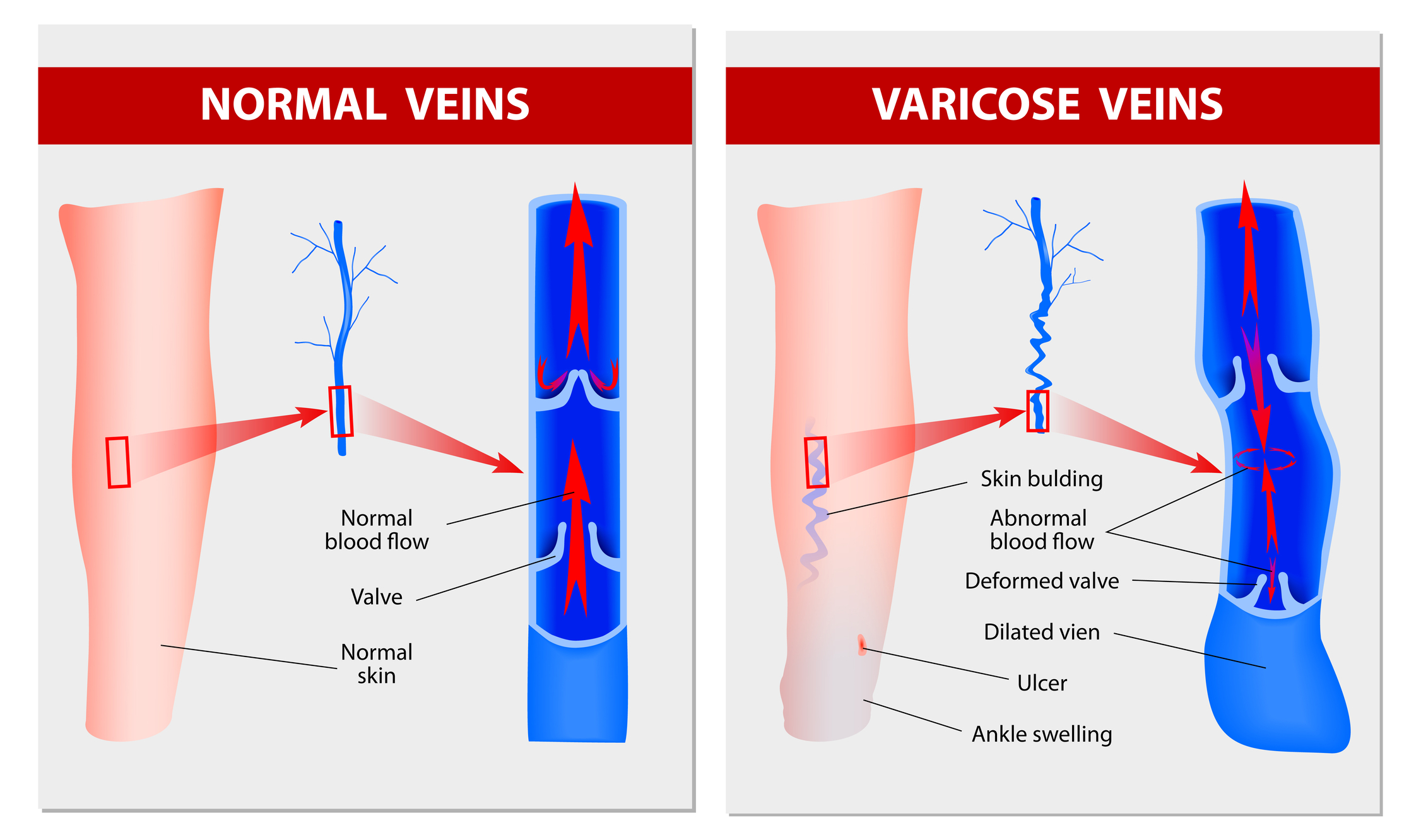
Veins in the lower body have a special challenge: They need to work against gravity to move blood up. Veins, in contrast, have a series of one-way valves and surrounding muscle contractions that help push blood back toward the heart. When these valves lose their ability to close properly or become leaky, blood can flow backwards and pool in the veins. Over time, this can result in veins getting larger and more visible under the skin, which may lead to complications like varicose veins.
Venous disorders often start as a cosmetic issue, but over time, they can develop into more serious medical issues if not treated. Symptoms can consist of swelling, aching, heaviness in the legs, skin discoloration and venous ulcers in extreme instances.
Insulin resistance has been strongly associated with vascular damage and increased cardiovascular risk, with studies demonstrating its role in both macrovascular and microvascular disease.
The Evolution of Vein Treatment
In the past, surgical vein stripping was the mainstay in the treatment of severe varicose veins. This involved removing the damaged vein through a series of cuts along the leg. Although the technique might work, it involves general anaesthesia and often considerable recovery time.
The move toward minimally invasive treatments began when researchers started finding other ways to close failing veins without removing them entirely. Advances in biomedical engineering and the study of vascular medicine brought techniques that enabled physicians to treat vein disorders with targeted energy or specialised medical solutions.
These innovations greatly decreased the need for traditional surgery and made vein treatments safer, more efficient, and much less disruptive to patients’ lives.
Breakthroughs in Diagnostic Imaging
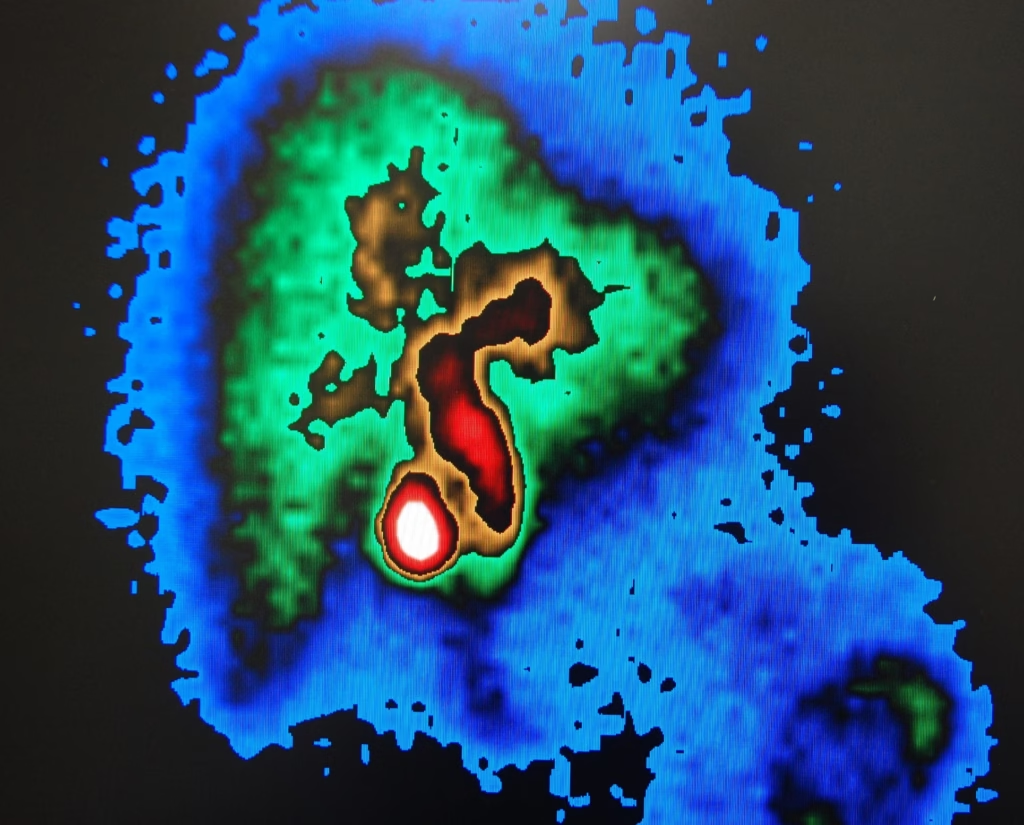
Modern arterial imaging technologies have been described as one of the most important advances in vascular medicine. An accurate diagnosis is critical to effective treatment, and current technology enables physicians to see blood flow and the structure of veins on a real-time basis.
Improved imaging quality makes it possible for physicians to provide each patient with an individual treatment plan that is based on his or her anatomical features. In addition, increased accuracy contributes to the early diagnosis of vascular disease, reducing the likelihood of complications. Minimally invasive treatment techniques.
Modern medicine also uses a number of minimally invasive techniques that have transformed the approach to the treatment of veins: endovenous laser obliteration and radiofrequency obliteration. In both cases, a thin catheter is inserted into the vessel, and thermal energy is delivered in a controlled manner to the vein walls so that they collapse and the lumen is closed. After the primary vessel has collapsed, healthy veins begin to take on their functional role. Gradually, the obliterated vein is absorbed by surrounding tissues.
Advances in Sclerotherapy and pharmacological treatment. The final direction of evolution in the treatment of varicose veins is the development of the method of sclerotherapy. It is a procedure that involves the introduction of a special formula that causes the vein to collapse and dissolve.
Artificial intelligence is also starting to have an effect on vascular diagnostics. Previously, machine learning algorithms have been used to detect subtle patterns in imaging that can signal venous disease before it is clinically apparent. Such insights can help doctors make more accurate diagnoses and predict how a condition may progress.
This combination of technical innovation and clinical expertise is making vascular medicine more precise and personalised.
Preventive Approaches to Vein Health
Although treatment possibilities have seen impressive advances in vascular medicine, modern approaches also emphasise a more extensive focus on preventive measures. Some of the common causes for vein-related conditions include lifestyle such as sedentary life, lack of physical activity, being obese and poor circulation.
Exercise encourages movement in the body, which will help maintain a healthy weight and promote circulation to significantly decrease the risk of venous disease. People are beginning to understand that vein health is a very important part of overall wellness, due in part to public awareness campaigns and educational initiatives.
Preventive care enables people to treat minor symptoms early to prevent them from turning into more complicated health problems.
Specific Vein Clinics and Overall Care
With the growth of vascular medicine, dedicated clinics have developed to treat patients with a venous disease. From using the latest diagnostic imaging technology to treatment, these centres provide integrated treatment based on the individual patient’s needs.
Our facilities, like Vein and Vascular Institute, represent this specialised modality that provides patients with a plethora of practices tailor-made to diagnose as well as treat vascular disorders, utilising the newest medical innovations. When knowledge and technology are aggregated into specialised centres, patients receive an individualised treatment plan that is tailored to their unique situation; ultimately leading to improved outcomes.
They create an environment that fosters unique clinical and research collaboration, further accelerating progress.
Future Directions in Vein Care
Ongoing investigation into the biological determinants of vascular health will undoubtedly continue to drive future innovations in venous medicine. And scientists are researching alternative biomaterials, enhanced catheter systems and advanced imaging capabilities that may make treatments even more targeted and effective.
A second area of fertile ground is in regenerative medicine. Scientists are exploring the possibility of reinforcing or reconstructing damaged vein walls with biological therapies that facilitate tissue healing. If successful, these approaches could even halt venous disease from worsening in the first place.
Wearables could also assist in tracking circulation and helping promote healthy movement patterns. Activity and blood flow trackers could allow people to better manage their vascular health in everyday life.
Conclusion
Contemporary science has revolutionised the processes of detecting, treating and preventing vein disorders. With the advancement of imaging technology, minimally invasive procedures, and data-driven healthcare, vascular medicine has become an area of both effectiveness and patient comfort.
What once needed invasive surgery can now often be managed through brief outpatient procedures guided by precise diagnostic tools. These innovations have contributed to improved recovery times, fewer complications and wider access to care for millions.
With ongoing research shedding light on the nuances of vascular health, as well as strident medical technologies being developed every day, we can expect even more cosmetic and preventative vein treatments to become available in the near future. Today, vascular medicine is a vibrant story of scientific inquiry with a life-changing impact on the present and future of human health.
Disclaimer
The information presented in this article, “Advances in Vascular Medicine: How Modern Science Is Transforming Vein Care,” is intended for educational and informational purposes only. It is not designed to replace professional medical advice, diagnosis, or treatment. Readers should not rely on this content as a substitute for consultation with qualified healthcare professionals.
While every effort has been made to ensure the accuracy and relevance of the information at the time of publication, medical knowledge and clinical practices continue to evolve. Open MedScience makes no representations or warranties regarding the completeness, reliability, or suitability of the content for any specific medical condition or individual circumstance.
Any references to specific treatments, technologies, or healthcare providers are provided for general informational context and do not constitute endorsement or recommendation. Individuals experiencing symptoms or seeking medical guidance should consult a licensed medical practitioner or specialist.
Open MedScience and the authors disclaim any liability for decisions made or actions taken based on the information provided in this article.
home » blog » human anatomy »