
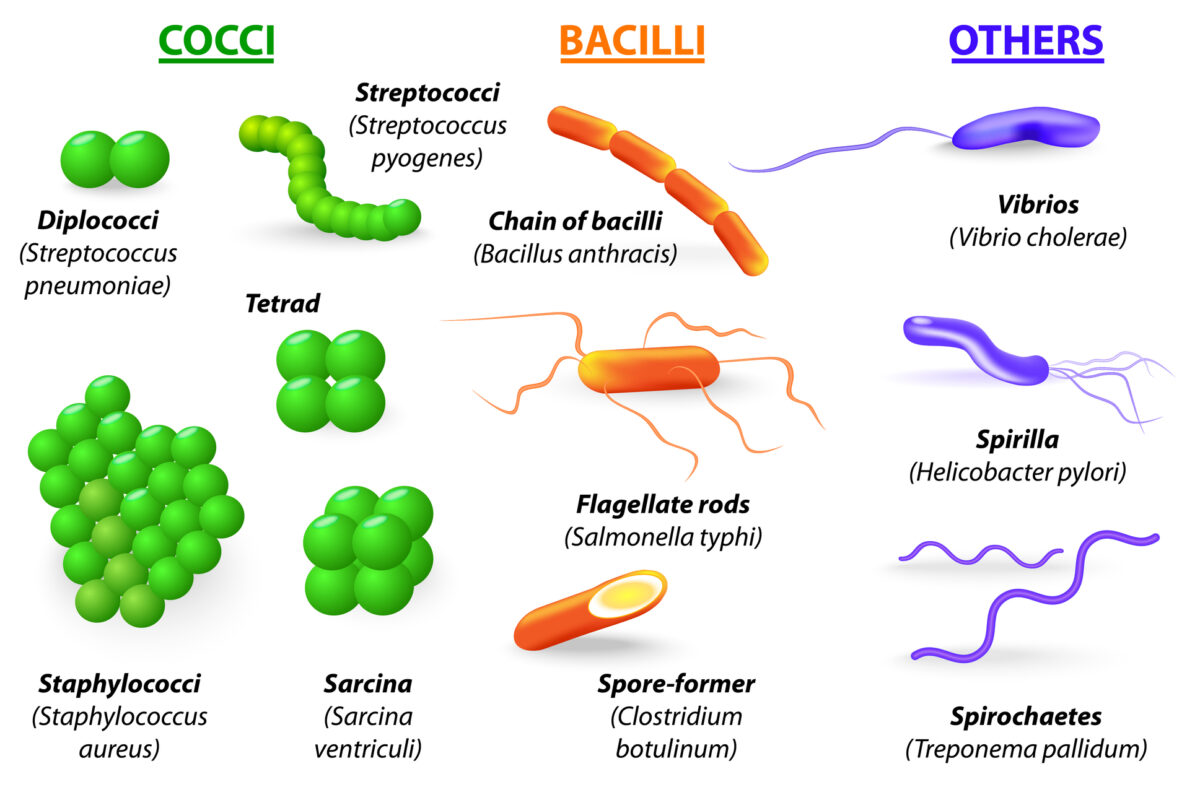
Bacterial infections occur when harmful bacteria enter the body and begin to multiply, potentially causing illness. While some bacterial infections are mild and resolve on their own, others can be serious and spread to others if left untreated. These infections can affect various parts of the body, including the skin, respiratory system, digestive tract, and bloodstream. Understanding how bacterial infections develop and how they are transmitted is essential for preventing illness and seeking timely medical care when needed.
If symptoms worsen or you suspect a serious infection, visiting a Lubbock emergency room can provide prompt evaluation and treatment.
How Bacterial Infections Spread
Bacterial infections can be transmitted in different ways depending on the type of bacteria and the environment. Understanding the common routes of transmission helps you take preventive measures and reduce your risk of infection.
- Direct Contact: Touching an infected person’s skin, wounds, or bodily fluids can transfer bacteria. Skin infections like impetigo or MRSA often spread this way and require careful hygiene to prevent transmission.
- Respiratory Droplets: Bacteria can travel through droplets released when an infected person coughs or sneezes. Close contact increases the risk of catching illnesses such as strep throat or whooping cough. If symptoms worsen, visiting an emergency room near me can provide prompt evaluation and treatment.
- Contaminated Food or Water: Consuming food or water contaminated with bacteria like Salmonella or E. coli can lead to digestive infections. Proper food handling and cooking reduce this risk significantly.
- Surfaces and Objects: Bacteria can survive on commonly touched surfaces such as doorknobs, phones, or countertops. Touching these surfaces and then your mouth, eyes, or nose can spread infections if your hands are not cleaned properly.
Common Contagious Bacterial Infections
Not all bacterial infections are equally contagious, but some can spread rapidly between people. Knowing which infections are highly transmissible helps you take precautions and prevent outbreaks. For severe or persistent cases, visiting Neighbors Emergency Center ensures timely evaluation and treatment.
- Strep Throat: This infection spreads easily through respiratory droplets when an infected person coughs or sneezes. Close contact or sharing utensils can increase the risk of transmission.
- Tuberculosis (TB): TB bacteria are airborne and can be inhaled when someone with active TB coughs or sneezes. Prolonged exposure in enclosed spaces increases the likelihood of infection.
- Bacterial Meningitis: This serious infection spreads through close contact and respiratory secretions, such as saliva. Early detection is critical to prevent severe complications.
- Skin Infections: Certain bacterial skin infections, like MRSA, can be transmitted through direct contact with infected skin or by sharing personal items such as towels or clothing.
Preventing the Spread of Bacterial Infections
Practising good hygiene and taking simple preventive steps can greatly reduce your risk of catching or spreading bacterial infections. Being mindful of daily habits helps protect both yourself and those around you.
- Wash Hands Regularly: Frequent handwashing with soap and water removes bacteria picked up from surfaces or people. This is one of the most effective ways to prevent infection.
- Cover Mouth and Nose: Always use a tissue or your elbow when coughing or sneezing. This prevents respiratory bacteria from spreading to others through droplets.
- Avoid Sharing Personal Items: Items like towels, razors, or utensils can carry bacteria if shared. Keeping personal items separate reduces the risk of transmission.
- Cook Food Properly: Ensure that meat, eggs, and other potentially contaminated foods are cooked to safe temperatures. Proper cooking kills harmful bacteria and prevents foodborne illness.
- Disinfect Surfaces: Regularly clean frequently touched surfaces like doorknobs, phones, and countertops. This reduces the chance of bacteria spreading in your environment.
When to Go to the ER
While some bacterial infections resolve on their own, others require prompt medical attention. Seek care if you notice:
- Persistent fever or chills
- Severe pain or swelling at an infection site
- Difficulty breathing, confusion, or unusual fatigue
- Rapidly spreading rashes or skin infections
Prompt evaluation can prevent complications and ensure proper treatment, such as antibiotics, when necessary.
Key Takeaways
- Not all bacterial infections are contagious, but many can spread through contact, respiratory droplets, or contaminated food.
- Practising good hygiene, disinfecting surfaces, and avoiding close contact with infected individuals reduces the risk of transmission.
- Early recognition and treatment are essential for preventing complications in serious infections.
Disclaimer: This article is provided for general informational purposes only and is not intended as medical advice, diagnosis, or treatment. Readers should seek advice from a qualified healthcare professional regarding any symptoms, medical concerns, or treatment decisions. In the event of severe symptoms or a medical emergency, contact your local emergency services or attend the nearest emergency department immediately. Any references to healthcare providers, clinics, or emergency centres are included for informational context only and do not constitute an endorsement by Open MedScience unless clearly stated.
home » blog » health and wellbeing »