

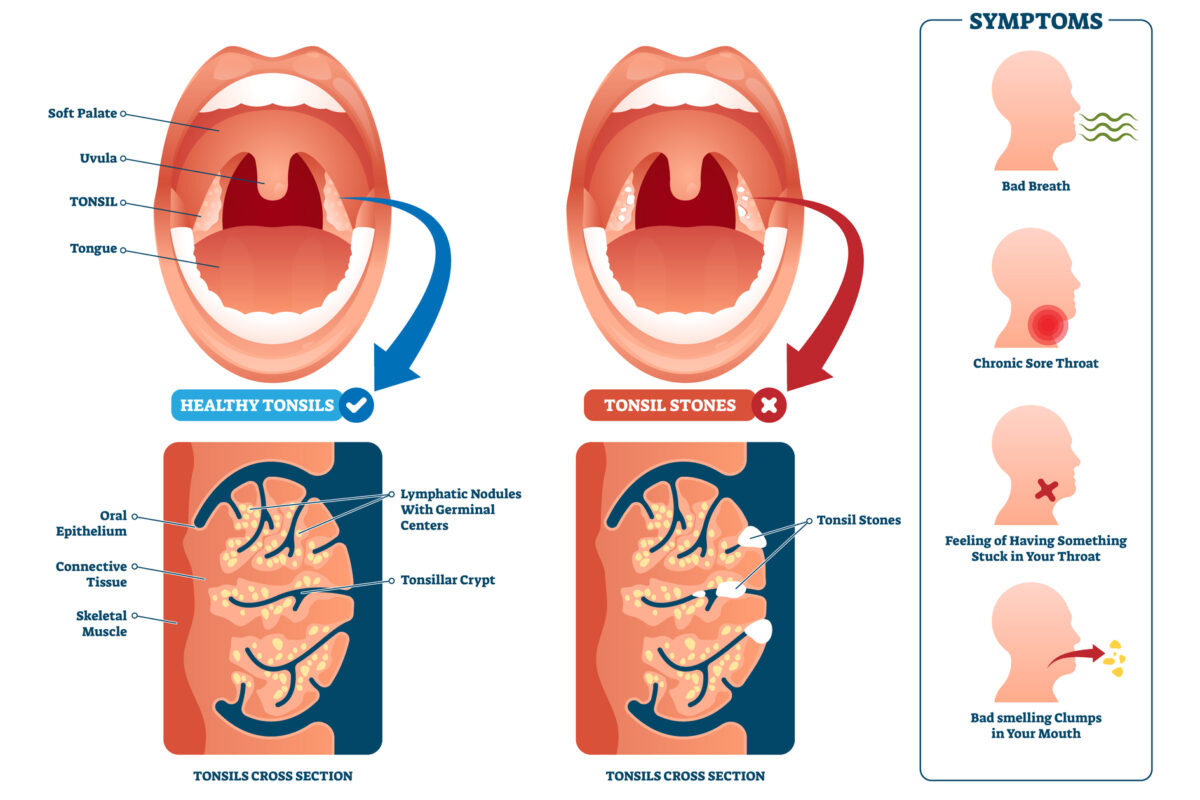
Tonsil stones, also known as tonsilloliths, are small, calcified deposits that form in the crevices of the tonsils. While often harmless, they can cause discomfort, bad breath, and a feeling of something stuck in the throat. Many people wonder why they develop these stones and how to prevent or treat them. Understanding the causes and symptoms of tonsil stones and the available treatments can help manage this common issue effectively.
If tonsil stones cause severe pain, swelling, or difficulty swallowing, it’s important to seek prompt evaluation at the emergency room Eagle Pass, TX for proper care.
What Are Tonsil Stones?
They are made up of a combination of bacteria, food particles, dead cells, and mucus that get trapped and calcify over time. Tonsil stones can vary in size from tiny specks that are barely noticeable to larger formations that cause discomfort or a feeling of something stuck in the throat. While generally harmless, tonsil stones can lead to bad breath, throat irritation, and difficulty swallowing. Some people may develop them repeatedly, especially if they have deep tonsillar crypts or chronic tonsil inflammation.
For persistent or large tonsil stones that cause significant discomfort or infection, visiting an emergency room near me can ensure timely assessment and treatment.
Symptoms of Tonsil Stones
Many tonsil stones are small and asymptomatic, discovered only during a routine examination. However, larger stones or multiple stones can cause noticeable discomfort. Common symptoms of tonsil stones include:
- A persistent bad breath caused by bacterial activity
- White or yellow lumps are visible on the tonsils
- A scratchy or sore throat
- Difficulty swallowing or a feeling of something stuck in the throat
- Ear pain on the same side as the affected tonsil due to shared nerve pathways
Even if pain is mild, the discomfort and chronic bad breath can significantly affect daily life.
Causes of Tonsil Stones
Tonsil stones form when debris becomes trapped in the small crevices, or tonsillar crypts, of the tonsils. Over time, this debris can harden or calcify, creating small white or yellowish stones. Several factors contribute to their development:
- Trapped Food Particles: Bits of food can easily get lodged in the tonsillar crypts. People with deep or large tonsils are more prone to food getting stuck, which can later harden into stones.
- Bacteria and Dead Cells: The mouth naturally contains bacteria, and dead cells are constantly shed from the tonsils. When these combine with trapped food, they can form a sticky buildup that eventually calcifies.
- Chronic Tonsillitis or Inflammation: Repeated infections or ongoing inflammation enlarge the tonsillar crypts, providing more space for debris accumulation and increasing the likelihood of stones forming.
- Poor Oral Hygiene: Infrequent brushing, flossing, or tongue cleaning allows bacteria and food debris to accumulate, raising the risk of tonsil stones.
- Post-Nasal Drip: Mucus from sinus infections or allergies can collect on the tonsils, adding to the debris and providing a breeding ground for bacteria.
- Dry Mouth: Reduced saliva flow, often caused by dehydration, certain medications, or mouth breathing, decreases the natural cleansing of the mouth, making stone formation more likely.
Understanding these causes is crucial for preventing tonsil stones and managing recurrent cases effectively.
Tonsil Stones Treatments
Treatment for tonsil stones depends on their size, frequency, and symptoms. Many small stones resolve naturally without intervention, but larger or recurring stones may require active management. Options include:
At-Home Remedies
- Gargling with salt water: Helps dislodge stones and reduce bacterial buildup.
- Manual removal: Some people gently remove stones using a cotton swab or oral irrigator, but caution is required to avoid injury.
- Good oral hygiene: Regular brushing, flossing, and tongue cleaning reduce the risk of stone formation.
Medical Treatments
- Laser Tonsil Cryptolysis: A minimally invasive procedure that smooths the tonsil surface to prevent debris accumulation.
- Coblation or electrocautery: Small procedures to remove or reduce the size of tonsillar crypts.
- Tonsillectomy: In severe or recurring cases, surgical removal of the tonsils may be recommended to prevent stones permanently.
Preventive Measures
- Maintain proper oral hygiene with daily brushing, flossing, and tongue cleaning.
- Stay hydrated to prevent dry mouth, which encourages bacterial growth.
- Address chronic sinus or post-nasal drip issues that contribute to debris accumulation.
When to Seek Medical Care
While tonsil stones are usually harmless, you should consult a healthcare provider if you experience:
- Large or painful stones
- Recurrent stones that interfere with swallowing or speech
- Persistent bad breath despite good oral hygiene
- Signs of infection, such as fever, significant swelling, or pus
Prompt evaluation ensures proper management and prevents complications, especially in individuals prone to chronic tonsillitis.
Key Takeaways
- Tonsil stones, or tonsilloliths, are small calcified deposits that form in the crevices of the tonsils.
- They are caused by trapped food particles, bacteria, dead cells, and mucus, often worsened by poor oral hygiene or chronic inflammation.
- Common symptoms of tonsil stones include bad breath, sore throat, a feeling of something stuck in the throat, and mild discomfort when swallowing.
- Tonsil stones treatments range from at-home remedies like gargling or manual removal to medical options such as laser cryptolysis or tonsillectomy in severe cases.
Disclaimer
This article is provided for general informational and educational purposes only and is not intended to replace professional medical advice, diagnosis, or treatment. Open MedScience does not provide medical care or emergency services. Any mention of healthcare providers, clinics, or emergency rooms, including location-based references, is for informational purposes only and does not constitute a recommendation, endorsement, or guarantee of services. Readers should always seek the advice of a qualified healthcare professional with any questions regarding a medical condition. If you are experiencing severe pain, swelling, difficulty swallowing, breathing difficulties, or any other urgent symptoms, seek immediate medical attention or contact your local emergency services
home » blog » health and wellbeing »