
How Will Data Change Pharmacies As We Know Them?
 By
By
How will data change pharmacies, enabling personalised treatments, enhancing efficiency, improving safety, and revolutionising healthcare systems worldwide?
By
How will data change pharmacies, enabling personalised treatments, enhancing efficiency, improving safety, and revolutionising healthcare systems worldwide?
 By
By
Hospital medical equipment financing enables hospitals to acquire advanced technology through strategic budgeting and leasing options.
 By
By
Medical negligence occurs when preventable errors happen, but technology significantly reduces risks, ensuring safer outcomes.
 By
By
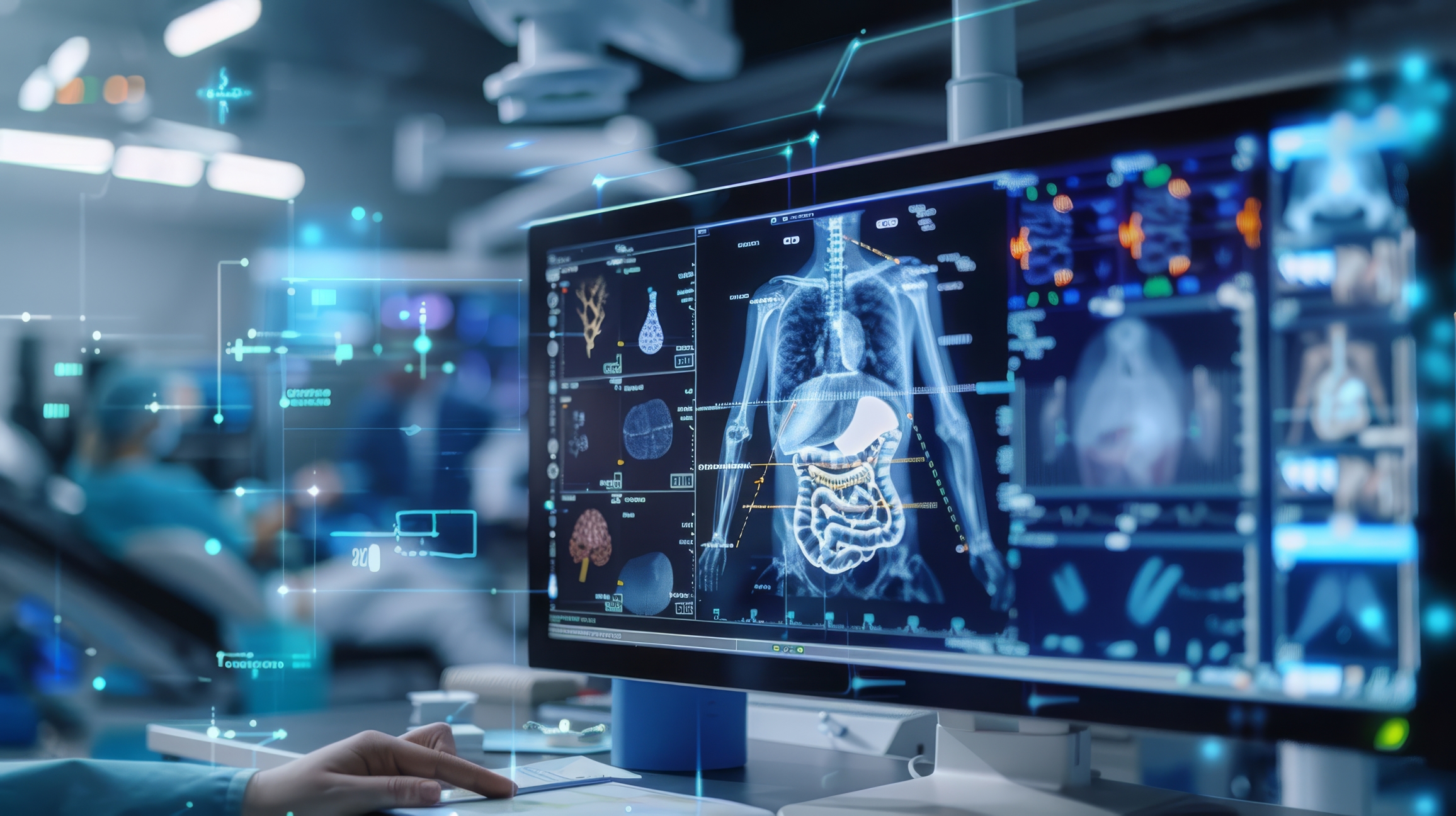
New Year medical imaging breakthroughs highlight innovative technologies, transforming healthcare diagnostics and improving patient outcomes worldwide.
 By
By
Lasers in medicine enhance surgical precision, reduce recovery times, and expand treatment options across multiple specialties.
 By
By
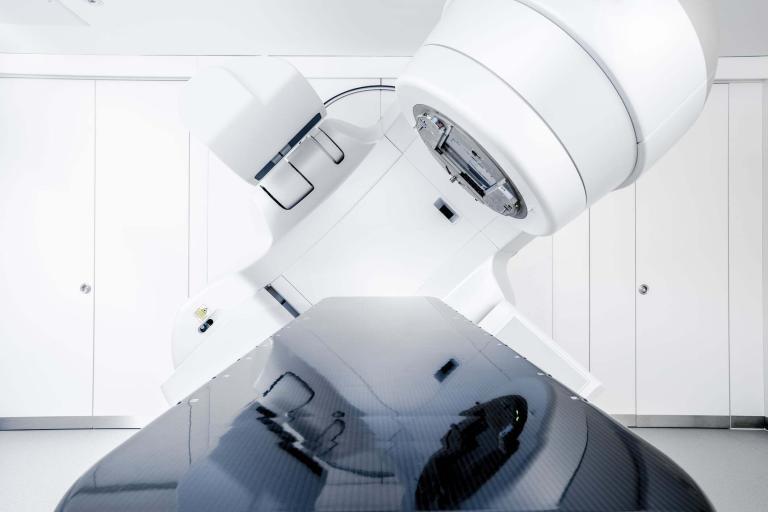
Radiotherapy cancer treatment continuously advances, incorporating innovative technologies to improve precision, reduce side effects, and increase survival rates.
 By
By
Medical imaging combines advanced technology, skilled professionals, and holiday warmth to support patients during Christmas emergencies.
 By
By
Master’s Degree in Information Systems empowers individuals to bridge technology, business processes, data management, and innovation effectively.
 By
By
Pathological lying disorder significantly impacts mental health, relationships, and daily functioning, requiring professional support for recovery. Image for illustration only. Person depicted is a model.
 By
By
Nutraceuticals in the management of chronic illnesses provide natural, evidence-based solutions, complementing traditional therapies to improve overall patient health and outcomes.
 By
By
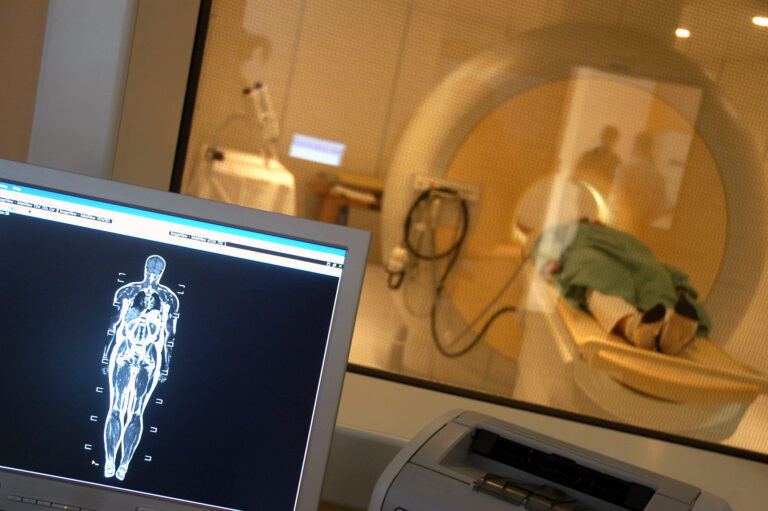
Medical image quality plays a crucial role in ensuring accurate diagnoses, effective treatment plans, and improved patient care across healthcare systems. Image for illustration only. Person depicted is a model.
 By
By
Advanced dermatological imaging provides detailed insights into skin layers, enhancing early disease detection, treatment accuracy, and overall patient care significantly.
 By
By
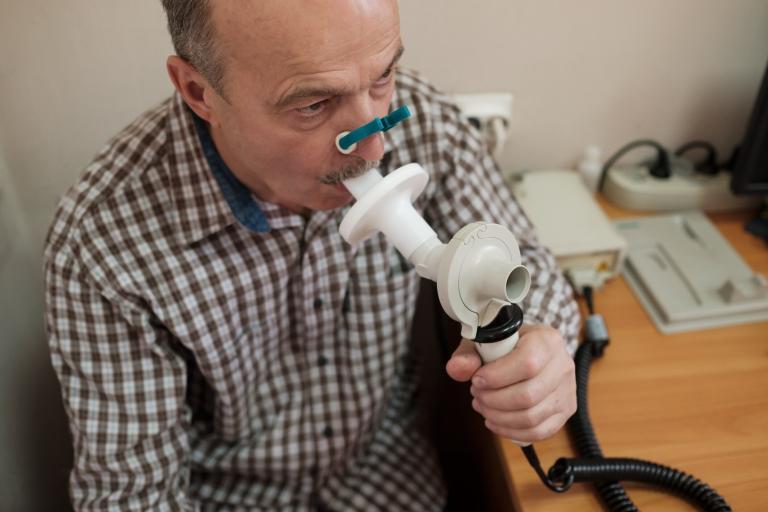
Lung function involves oxygen exchange, carbon dioxide removal, and maintaining optimal respiratory efficiency for overall bodily health. Image for illustration only. Person depicted is a model.
 By
By
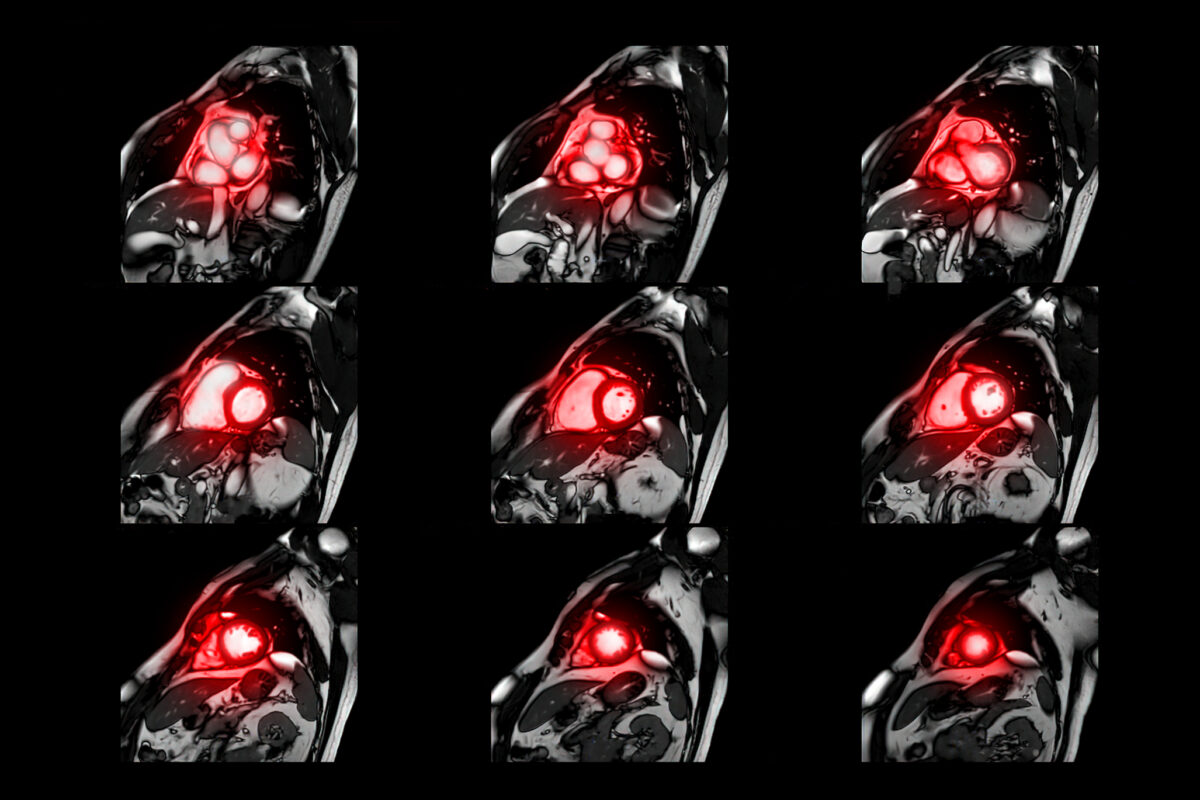
Red blood cell moves through the heart’s chambers, picking up oxygen in the lungs and delivering it to tissues across the body.
 By
By
Quantum Computing for Medical Imaging vastly improves complex image reconstruction speed, enabling more precise diagnostics.
 By
By
Genomic research revolutionises healthcare by providing insights into diseases, enabling precise treatments, and improving patient outcomes worldwide.
 By
By
Open MedScience fosters global collaboration, accelerates innovation, promotes transparency, enhances accessibility, and transforms healthcare outcomes.
 By
By
Medical imaging 2025 integrates advanced AI, precision tools, seamless data systems, personalised diagnostics, and enhanced patient experiences worldwide. Image for illustration only. Person depicted is a model.
 By
By
Blood testing evolves rapidly, introducing advanced microfluidic systems that facilitate quicker, more accurate, and invasive diagnostics.
 By
By
Supply chain emissions significantly impact healthcare’s carbon footprint, requiring collaborative efforts to implement sustainable and circular practices.
 By
By
AI in Healthcare revolutionises patient care, streamlines operations, reduces emissions, and promotes sustainability for a healthier future.
 By
By
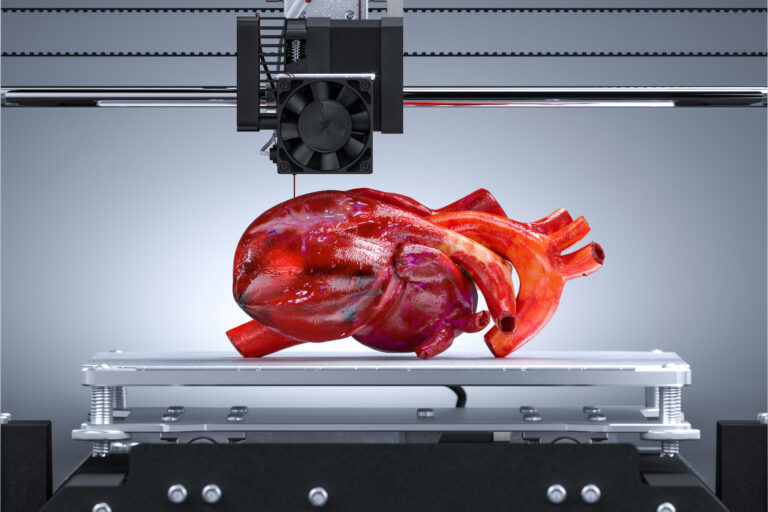
3D printing in healthcare is revolutionising surgeries by enabling patient-specific implants, reducing recovery times, and improving patient outcomes.
 By
By
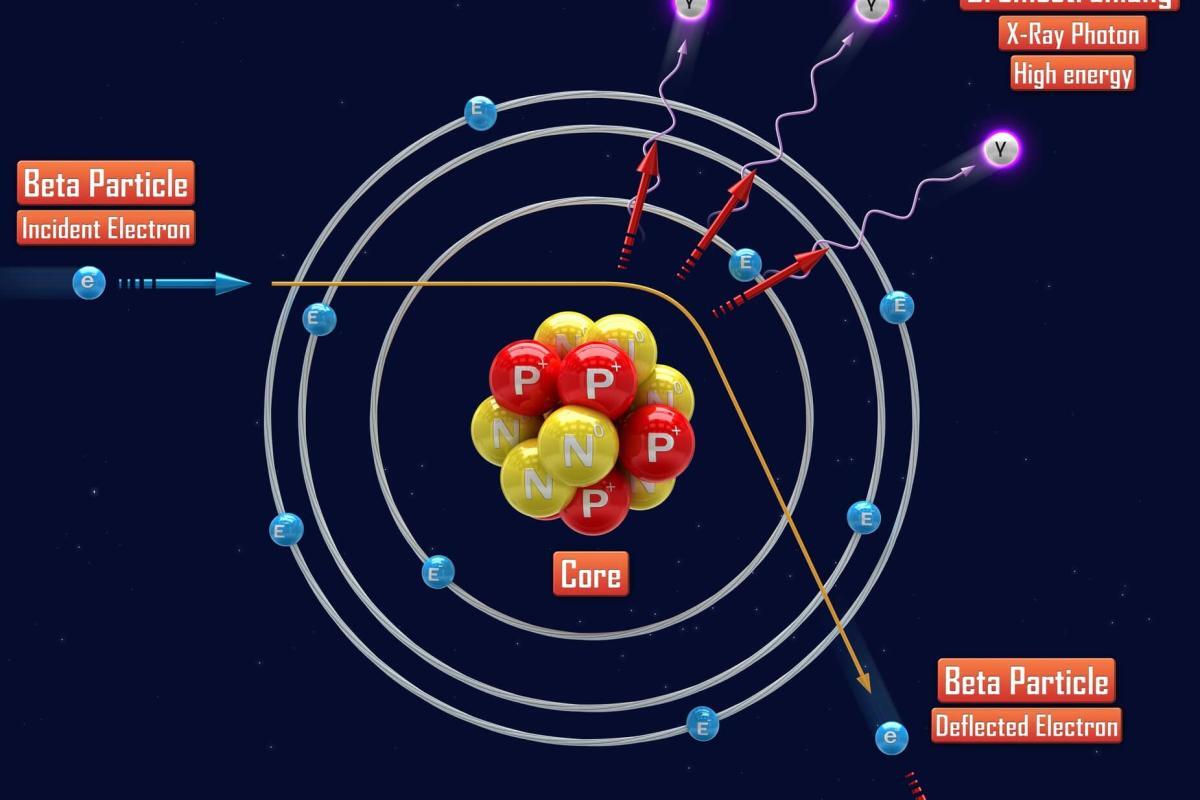
Bremsstrahlung radiation occurs when high-energy electrons decelerate near atomic nuclei, emitting a continuous spectrum of electromagnetic photons.
 By
By
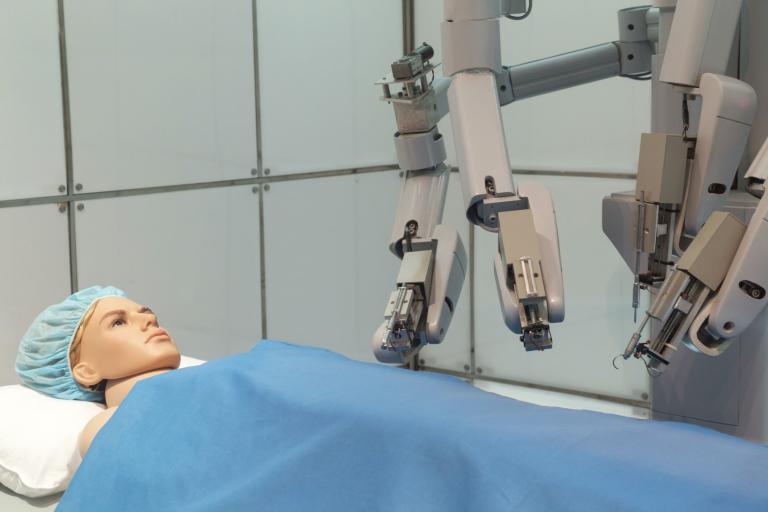
Mental healthcare expands accessibility, delivering crucial support and personalised interventions while challenging traditional boundaries of treatment. Image for illustration only. People depicted are models.
 By
By
Minimally invasive surgery techniques revolutionise healthcare by enabling precision, faster recovery, and reduced patient complications.
 By
By
Healthcare skills now expand far beyond clinical expertise, encompassing technological proficiency, data interpretation, and multidisciplinary collaboration. Image for illustration only. People depicted are models.
 By
By
Health Data broadens healthcare horizons, guiding personalised treatments, enhancing patient outcomes, and revolutionising modern medical research.
 By
By
Virtual healthcare assistants enhance patient engagement by offering personalised advice and streamlining healthcare processes efficiently.
 By
By
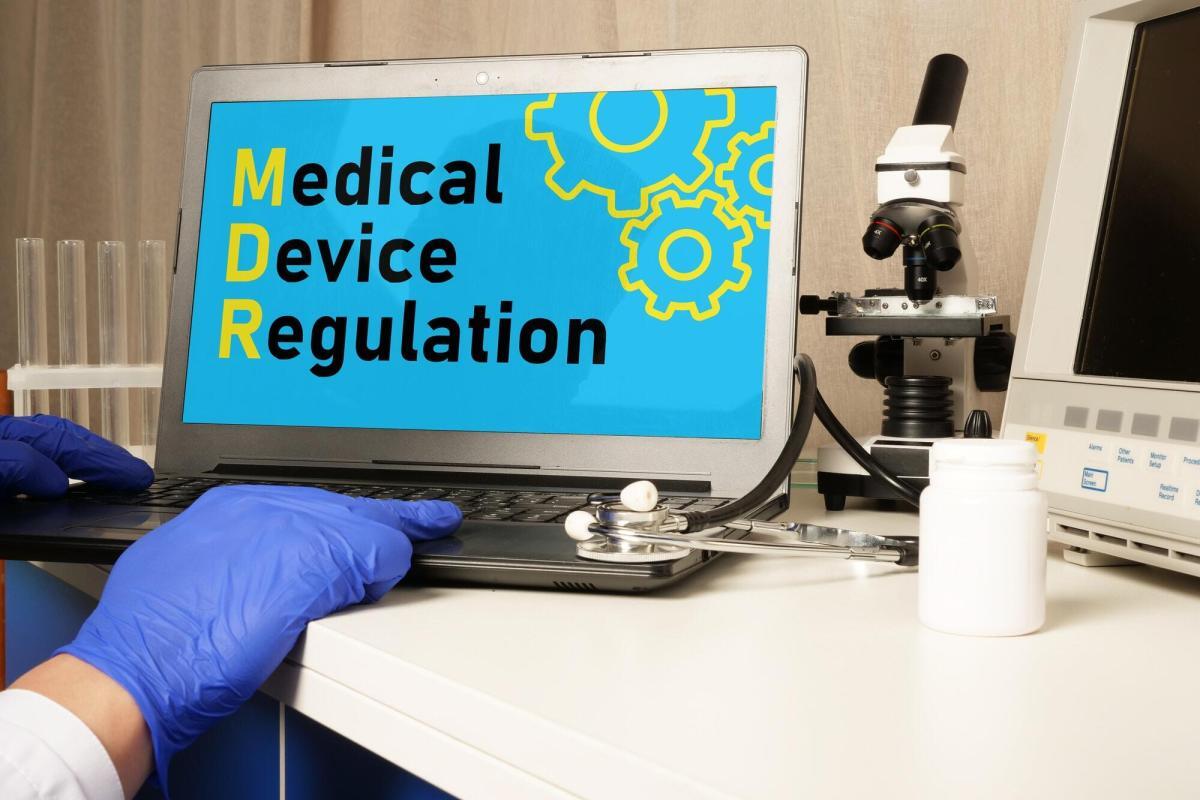
Medical Device Regulation ensures safety, enhances standards, fosters innovation, and supports effective healthcare delivery.
 By
By
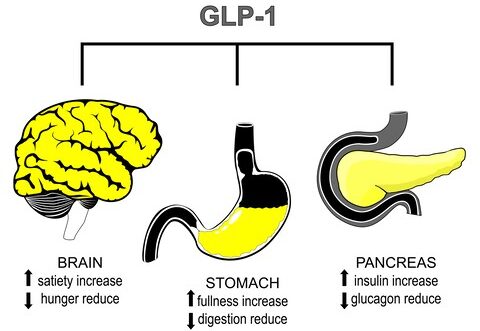
Weight loss medications are transforming healthcare, challenging medical devices, reshaping obesity treatment, and redefining patient outcomes globally.