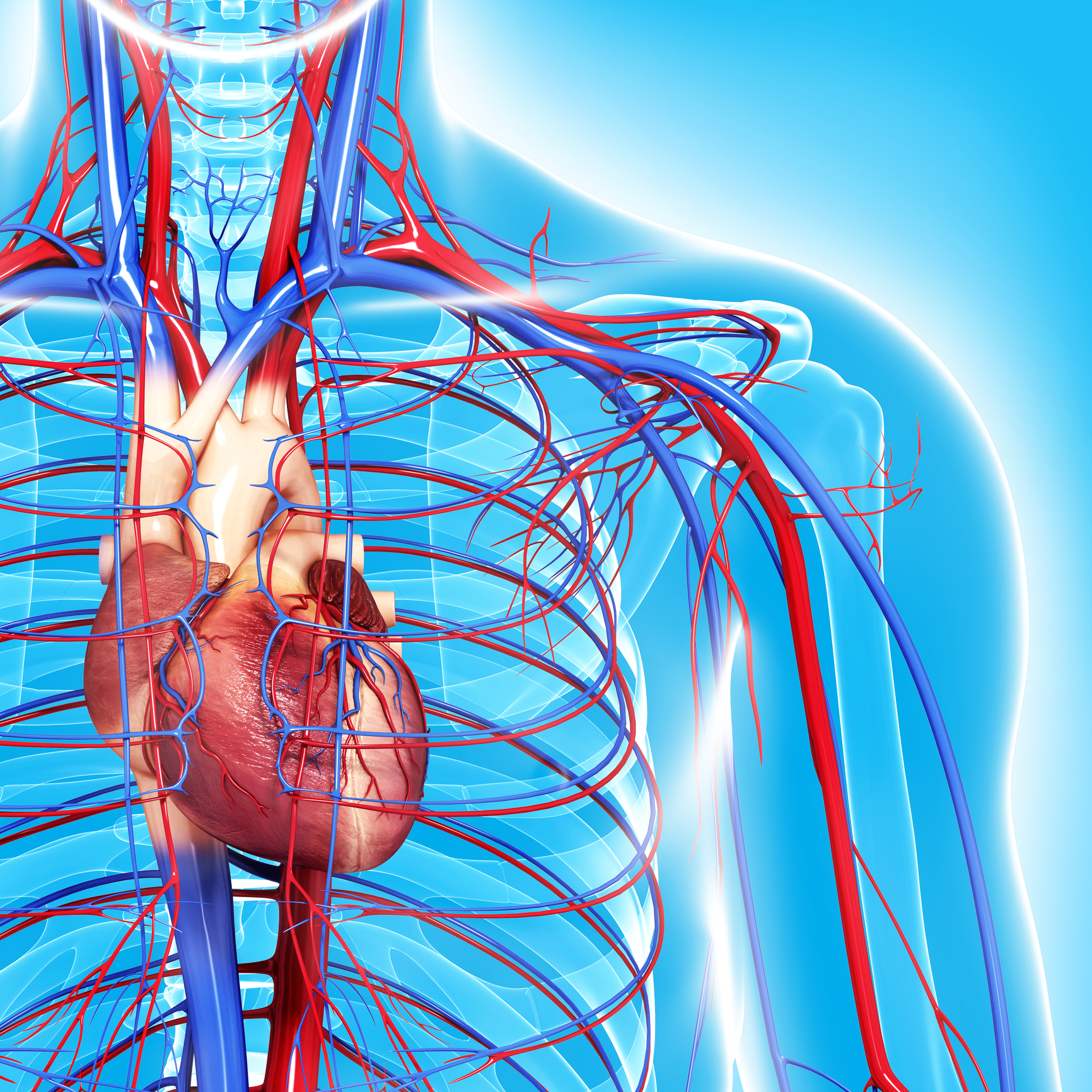
The Importance of Movement: Preventing Circulation Issues in Sedentary People
 By
By
Movement and circulation are essential for maintaining healthy blood flow, reducing the risks of sedentary lifestyles.
By
Movement and circulation are essential for maintaining healthy blood flow, reducing the risks of sedentary lifestyles.
 By
By
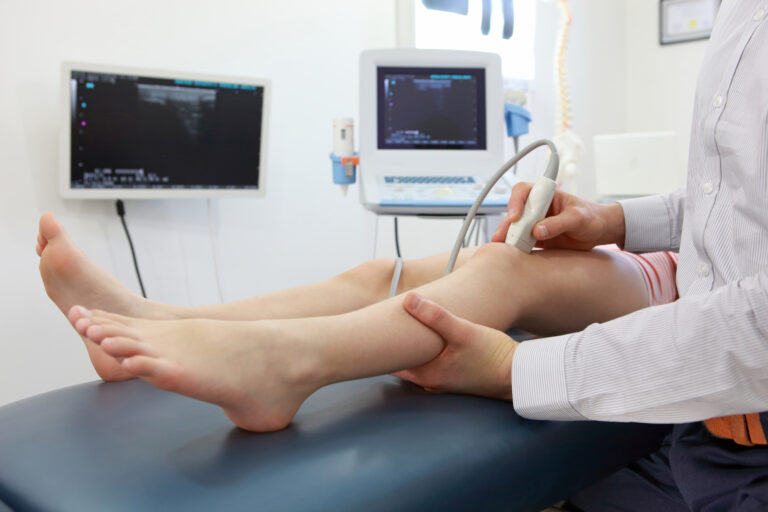
Knee health is essential for mobility, preventing pain, strengthening joints, improving flexibility, and maintaining an active, injury-free lifestyle daily.
 By
By
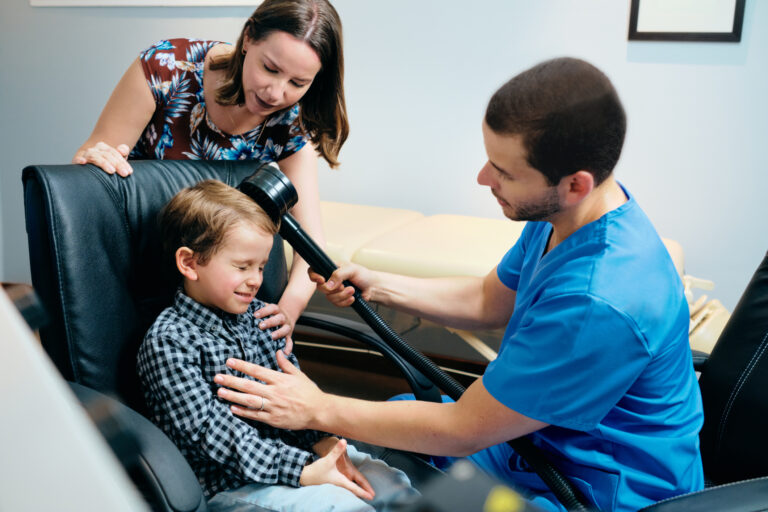
rTMS Therapy for Fibromyalgia uses magnetic pulses to reduce pain, improve mood, and enhance cognitive function. Image for illustration only. People depicted are models.
 By
By
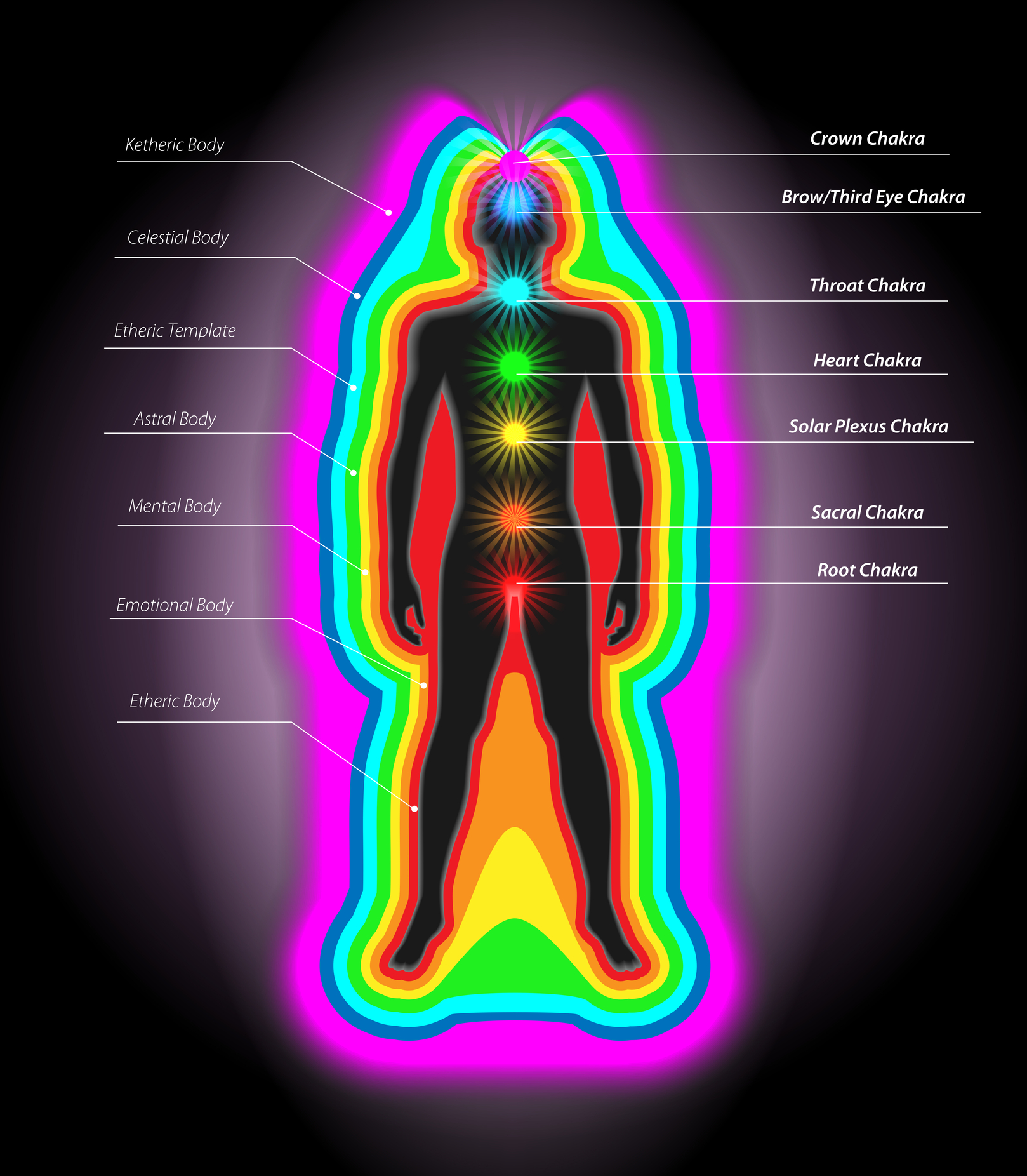
Holistic addiction treatment promotes healing by integrating physical, emotional, and spiritual therapies for sustainable recovery and well-being.
 By
By
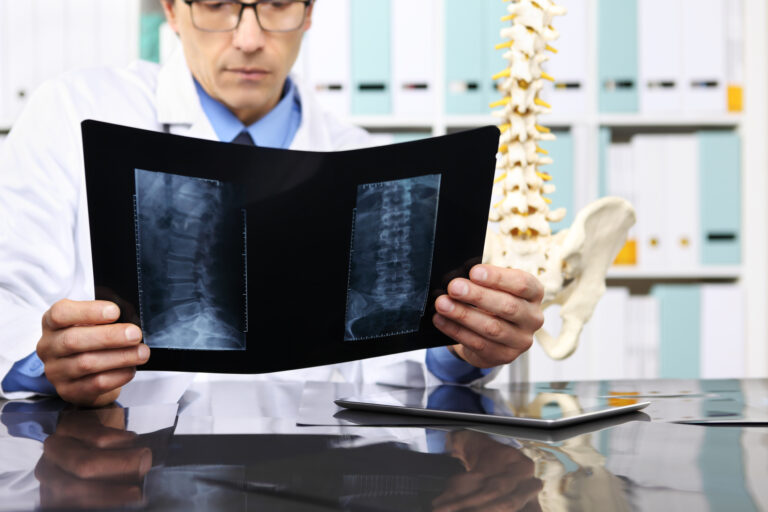
Sciatica nerve pain often radiates down the leg, but physiotherapy helps restore mobility and reduce discomfort effectively. Image for illustration only. Person depicted is a model.
 By
By
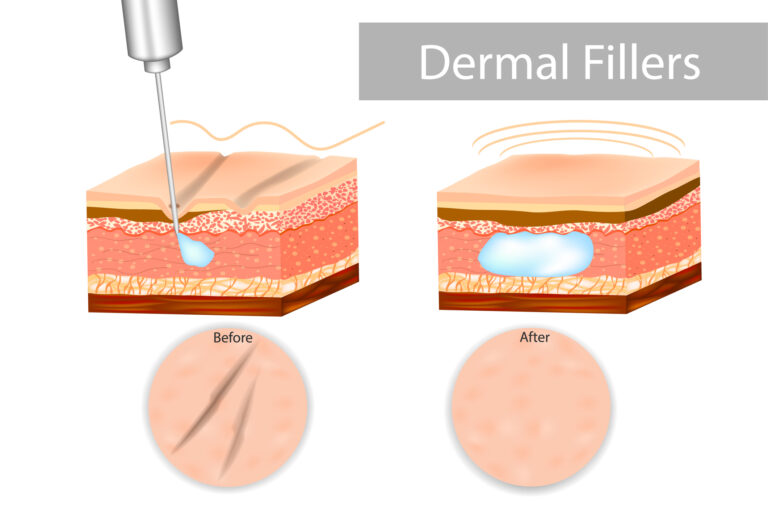
Hand and Neck Rejuvenation improves skin texture, reduces wrinkles, restores volume, and enhances a youthful, natural look.
 By
By
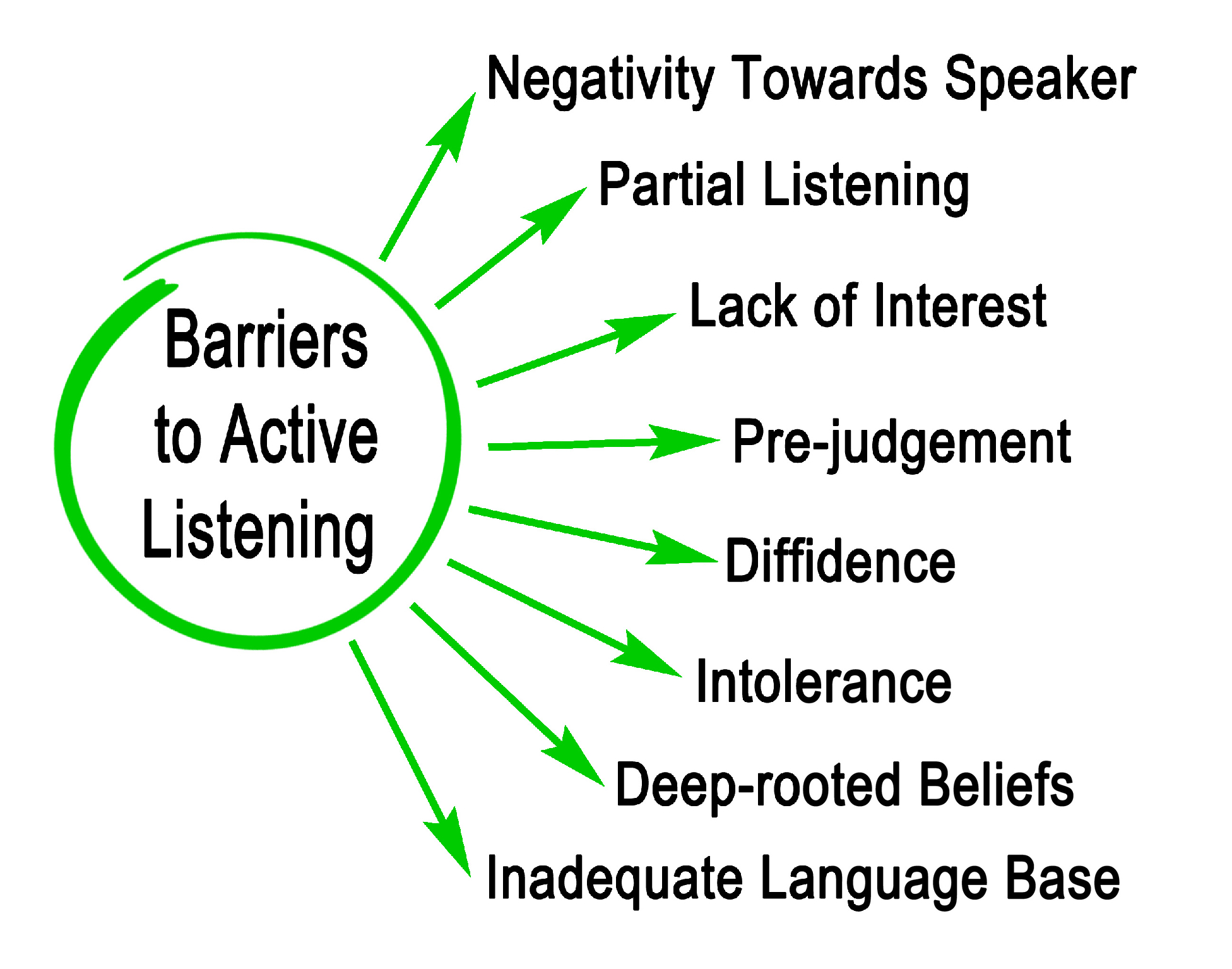
Language barriers on elderly healthcare hinder clear communication, causing medical errors, patient frustration, and poor health outcomes.
 By
By
AI medevac response technology reduces delays, improves coordination, and enhances patient outcomes with real-time data analysis.
 By
By
Outpatient treatment for substance abuse offers flexibility, support, and structure, helping individuals recover while continuing daily life.
 By
By
A neutral overview of Red Thai Kratom, examining its pharmacology, global regulation, and public health risks. This article does not endorse or promote kratom use.
 By
By
Intensive Outpatient Programs provide flexible, structured treatment, supporting individuals in overcoming substance abuse while maintaining responsibilities. Image for illustration only. People depicted are models.
 By
By
ABA therapy software enhances parent collaboration by providing real-time updates, secure messaging, progress tracking, and personalised training.
 By
By
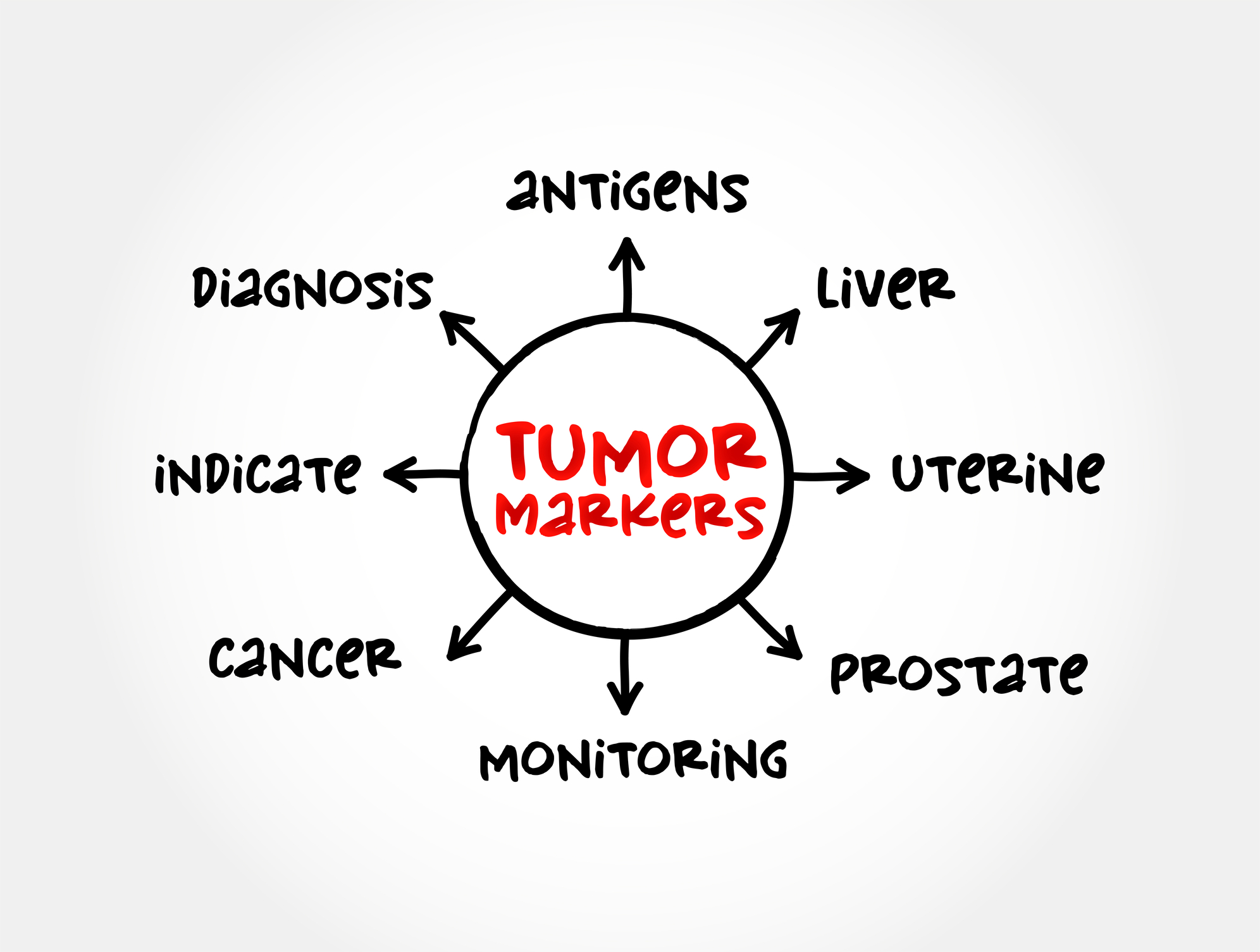
Cancer Markers in Treatment Monitoring provide valuable insights into disease progression, therapy response, and personalised cancer treatment strategies.
 By
By
Challenges of proton therapy include high costs, technical complexities, limited evidence, and accessibility issues for patients worldwide.
 By
By
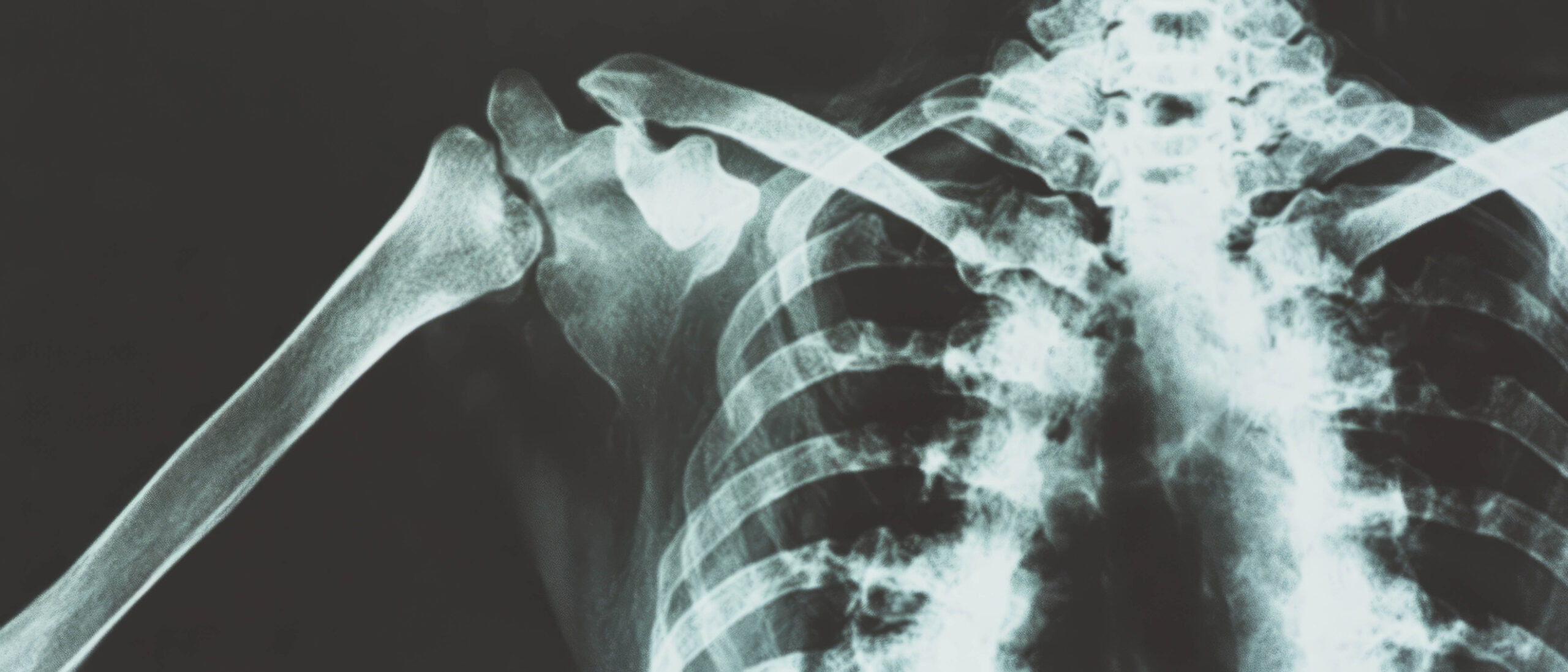
X-ray images provide crucial insights, enabling efficient and accurate diagnosis of fractures, infections, and other medical conditions.
 By
By
Viagra Cialis combo offers potential benefits for erectile dysfunction when used responsibly under medical supervision and guidance.
 By
By
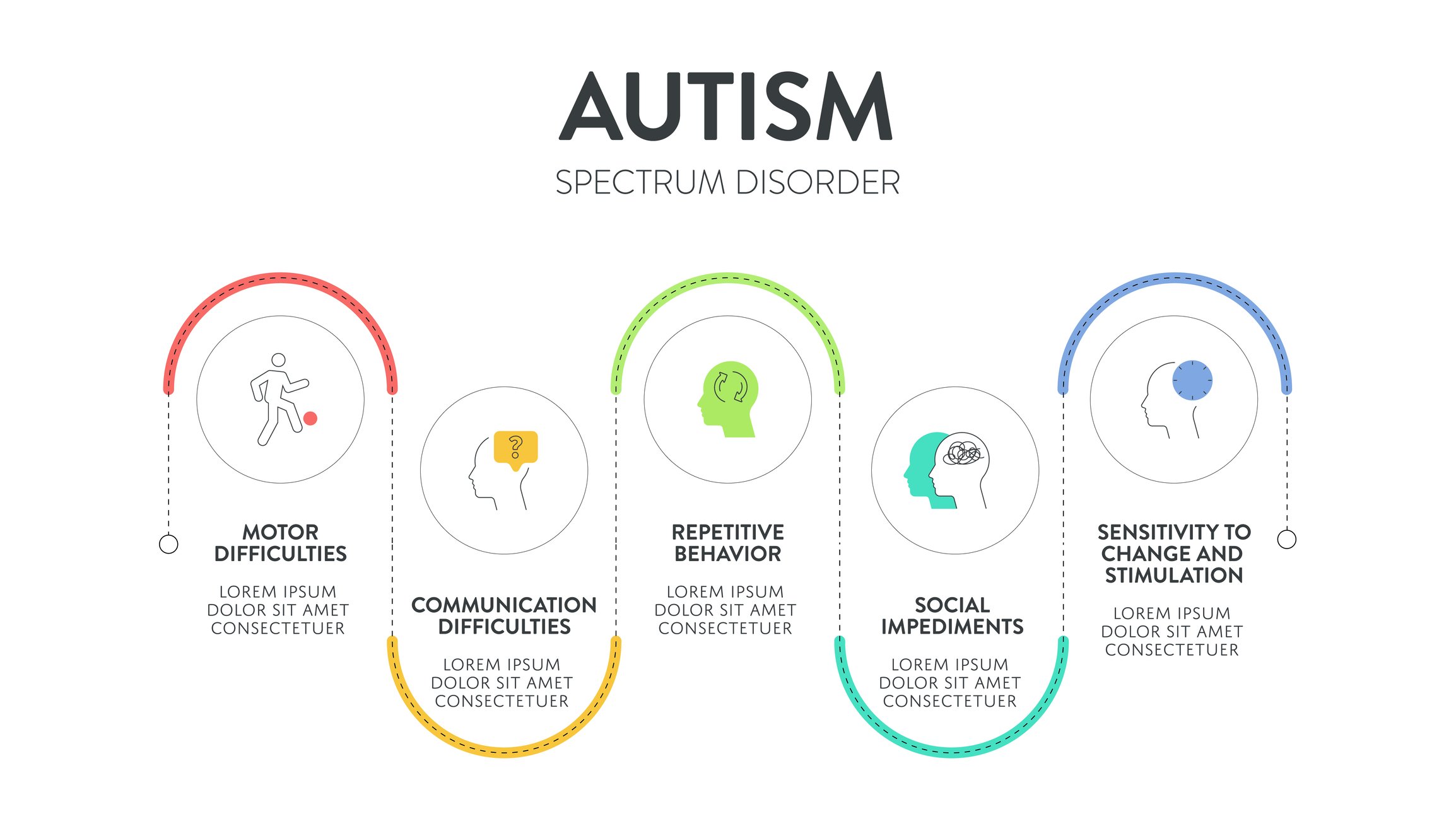
Everyday skills for autism develop through consistency, tailored support, structured learning, and engaging practical activities daily.
 By
By
Weight gain during pregnancy is essential for fetal development, maternal energy, and overall health when properly managed.
 By
By
Family Health and Climate Change highlight urgent concerns, with rising temperatures worsening illnesses, mental health, and vulnerabilities.
 By
By
AI in patient care revolutionises healthcare by improving accuracy, efficiency, accessibility, treatment personalisation, and preventive strategies. Image for illustration only. Person depicted is a model.
 By
By
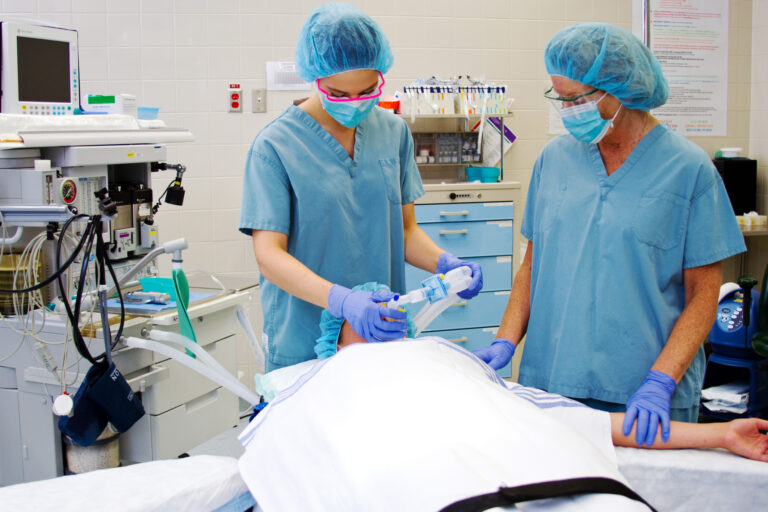
Healthcare careers in 2025 promise exceptional growth, diverse roles, advanced technology, and meaningful opportunities to contribute. Image for illustration only. People depicted are models.
 By
By
Nurses play a vital role in surgery by ensuring safety, preventing complications, educating patients, and supporting recovery. Image for illustration only. People depicted are models.
 By
By
Prioritise mental health education in schools to enhance students’ emotional well-being, academic success, and overall development.
 By
By
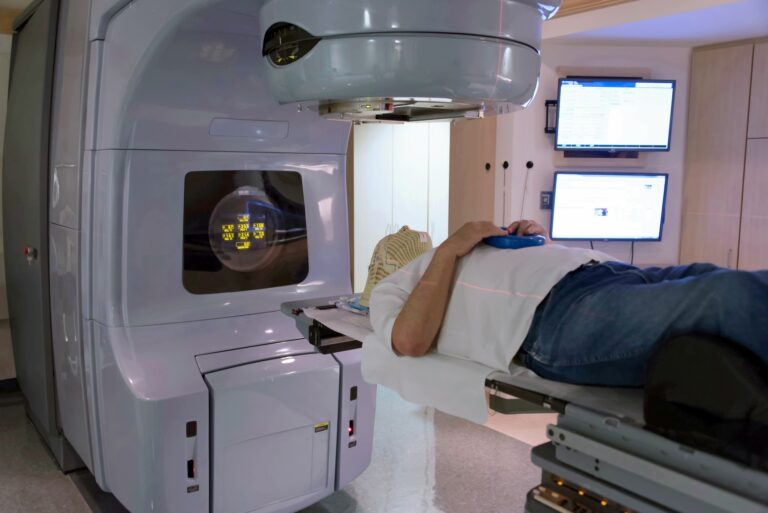
Occupational Therapy Autism Benefits include improving communication, enhancing sensory processing, developing motor skills, and promoting independence.
 By
By
Radiation therapy support significantly improves patient well-being, addressing physical symptoms, emotional needs, and enhancing treatment outcomes. Image for illustration only. Person depicted is a model.
 By
By
Pharmacists in community healthcare programs provide essential services, enhancing public health through education, collaboration, and improved care. Image for illustration only. People depicted are models.
 By
By
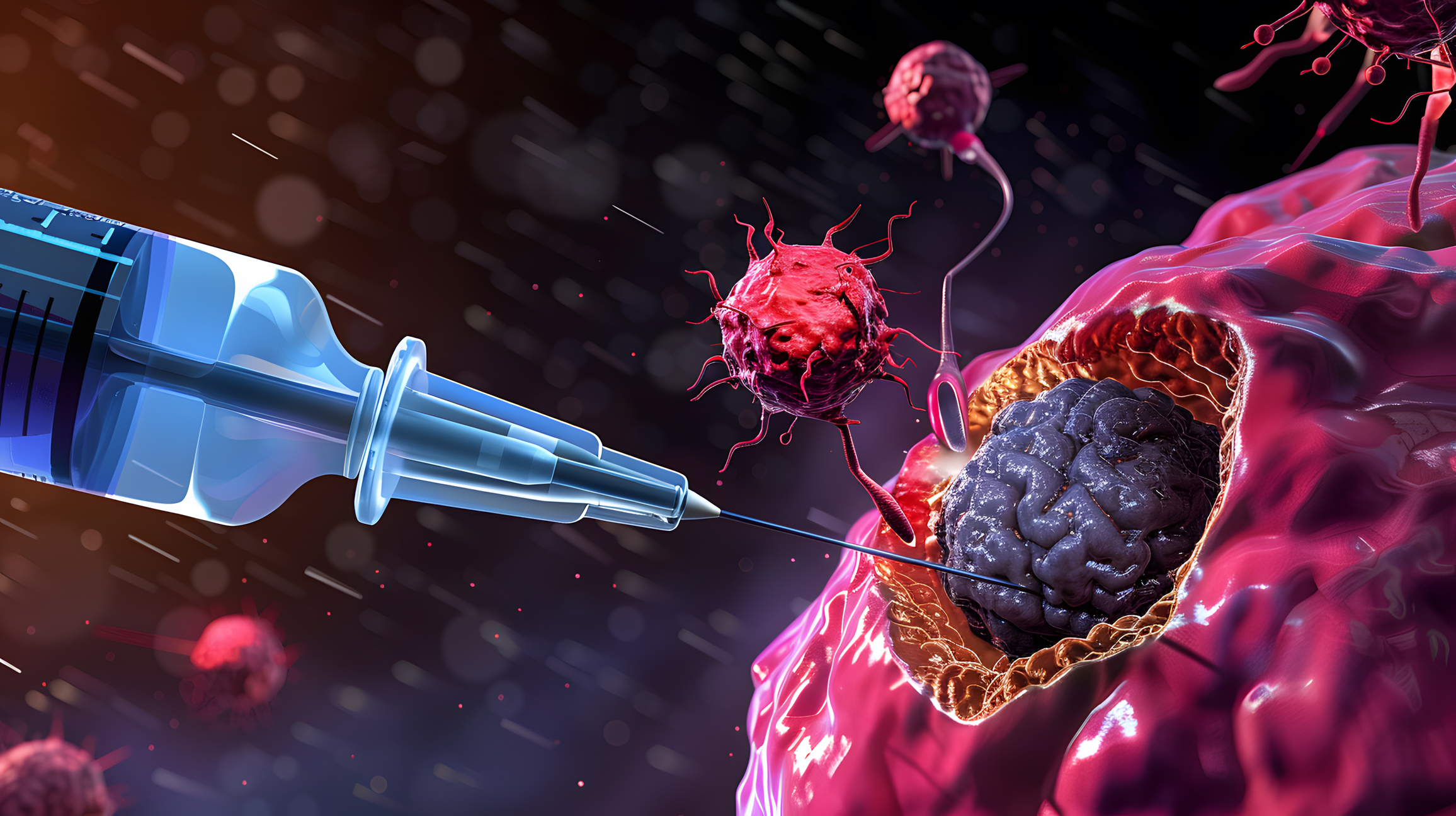
Side effects of radionuclide therapy include bone marrow suppression, gastrointestinal irritation, kidney dysfunction, and hormonal imbalances. Image for illustration only. Person depicted is a model.
 By
By
Robotic-assisted biopsy significantly enhances precision, enabling earlier lung cancer diagnosis and improving patient treatment outcomes effectively.
 By
By
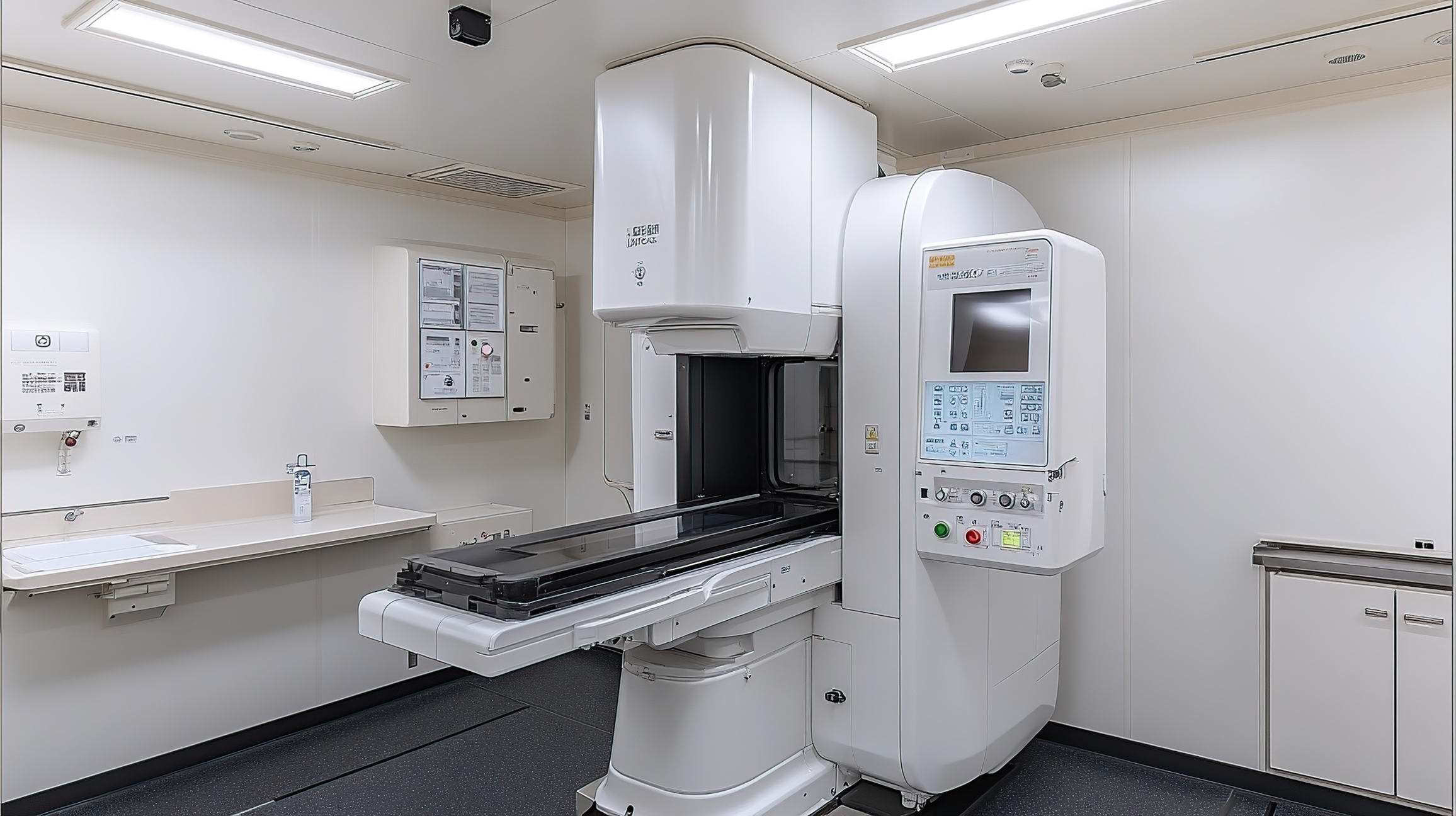
Electron beam treatment planning focuses on accurate dose distribution, ensuring effective tumour control with minimal surrounding tissue damage.
 By
By
The rise of online nursing schools empowers aspiring nurses through flexible, accessible, and affordable educational opportunities worldwide. Image for illustration only. Person depicted is a model.