
Omega-3 fatty acids are known for their role in heart health, though they are equally important for the brain. Large amounts of healthy fats in the brain make omega-3 an essential nutrient for the maintenance of normal cognitive functions throughout life. From childhood development to healthy ageing, getting enough omega-3 may help support memory, concentration, and overall brain performance.
Many people want to know if omega-3 will help them remember things better and keep their minds sharp. No single nutrient can guarantee better cognitive performance, but research suggests that omega-3 fatty acids do play an important role in supporting brain health as part of a balanced diet and healthy lifestyle.
How Omega-3 Supports Brain Function
The two key omega-3 fatty acids for brain health are DHA (Docosahexaenoic Acid) and EPA (Eicosapentaenoic Acid). They occur in fish oil, fatty fish, and some dietary supplements. DHA is especially important because it is a major structural component of the brain.
DHA Helps Build and Maintain Brain Cells
DHA is one of the main fats found in the brain. It helps keep brain cell membranes healthy so that nerve cells can communicate effectively with one another. Healthy communication between brain cells is important for learning, memory, concentration, and decision-making.
EPA Also Supports Overall Brain Health
EPA is known to help the body maintain normal inflammatory responses, including those in the brain. Healthy inflammatory balance contributes to overall cognitive wellness and may help support normal brain function over time.
Supports Memory and Learning
Some studies have explored the relationship between omega-3 intake and memory function. Although results vary between individuals, maintaining healthy omega-3 levels may help support learning ability, information processing, and memory as part of overall brain health.
Supports Healthy Ageing
As people grow older, maintaining cognitive function becomes increasingly important. A diet rich in omega-3 fatty acids may help support normal brain function during ageing when combined with regular exercise, mental stimulation, and a balanced diet.
Important During Pregnancy and Early Development
DHA plays a critical role in the healthy development of a baby’s brain and nervous system. During pregnancy and breastfeeding, healthcare providers often recommend adequate DHA intake to support fetal and infant brain development.
Ways to Increase Omega-3 for Brain Health
Getting enough omega-3 each day begins with choosing the right foods and, when necessary, using high-quality supplements.
Eat More Fatty Fish
Fatty fish remains one of the richest natural sources of DHA and EPA. Some excellent choices include:
- Salmon
- Sardines
- Mackerel
- Herring
- Trout
- Anchovies
Many nutrition experts recommend eating two servings of fatty fish each week to support both heart and brain health.
Add Plant-Based Sources
Plant-based foods mainly provide ALA rather than DHA and EPA, but they still contribute to your overall omega-3 intake. Good options include flaxseeds, chia seeds, walnuts, hemp seeds, and soybean oil. Since only a small amount of ALA is converted into DHA and EPA, people following vegetarian or vegan diets may also consider algae-based omega-3 supplements.
Choose a High-Quality Omega-3 Supplement
If your diet does not regularly include fatty fish, an omega-3 supplement can help maintain adequate intake. When selecting a supplement, choose products that:
- Clearly list EPA and DHA amounts per serving
- Undergo third-party quality testing
- Are tested for purity and contaminants
- Come from trusted manufacturers
Combine Omega-3 with Healthy Lifestyle Habits
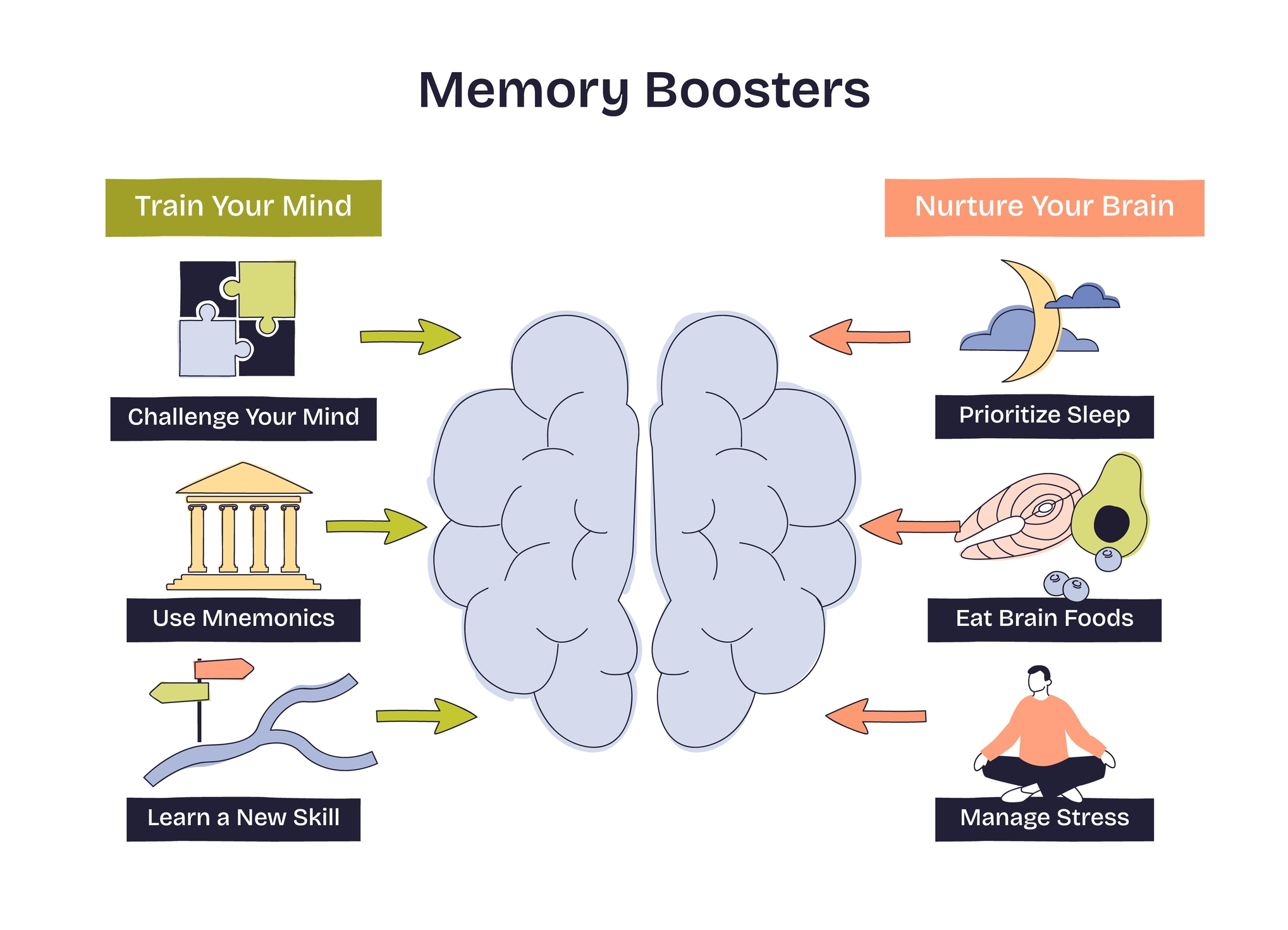
Omega-3 works best as part of a healthy lifestyle. This includes regular physical activity, getting enough quality sleep, eating a balanced diet rich in fruits and vegetables, staying mentally active through reading, learning, or puzzles, and managing stress while maintaining social connections.
Brain health depends on more than a single nutrient. Combining these healthy habits with an adequate intake of omega-3 provides a strong foundation for long-term cognitive wellness.
What Current Research Suggests
Scientific research continues to explore the connection between omega-3 fatty acids and brain function. Findings vary depending on age, health status, and study design, but most researchers agree that DHA and EPA are essential nutrients for maintaining the normal structure and function of the brain.
Omega-3 fish oil supplements should not be viewed as a miracle solution that instantly improves memory. Instead, they should be considered an important part of a balanced diet that supports long-term brain health. Consistently eating omega-3-rich foods or using high-quality supplements when appropriate helps provide the nutrients your brain needs to function well throughout every stage of life.
Disclaimer: This article is for informational and educational purposes only and should not be considered medical advice. The information provided is not intended to diagnose, treat, cure, or prevent any disease or medical condition. Omega-3 fatty acids may support normal brain function as part of a balanced diet and healthy lifestyle, but individual results can vary. Always consult a qualified healthcare professional before making significant changes to your diet, starting supplements, or if you have concerns about your health, particularly during pregnancy, while breastfeeding, or if you have an existing medical condition or take prescription medications.
home » blog » nutraceuticals »