
Introduction
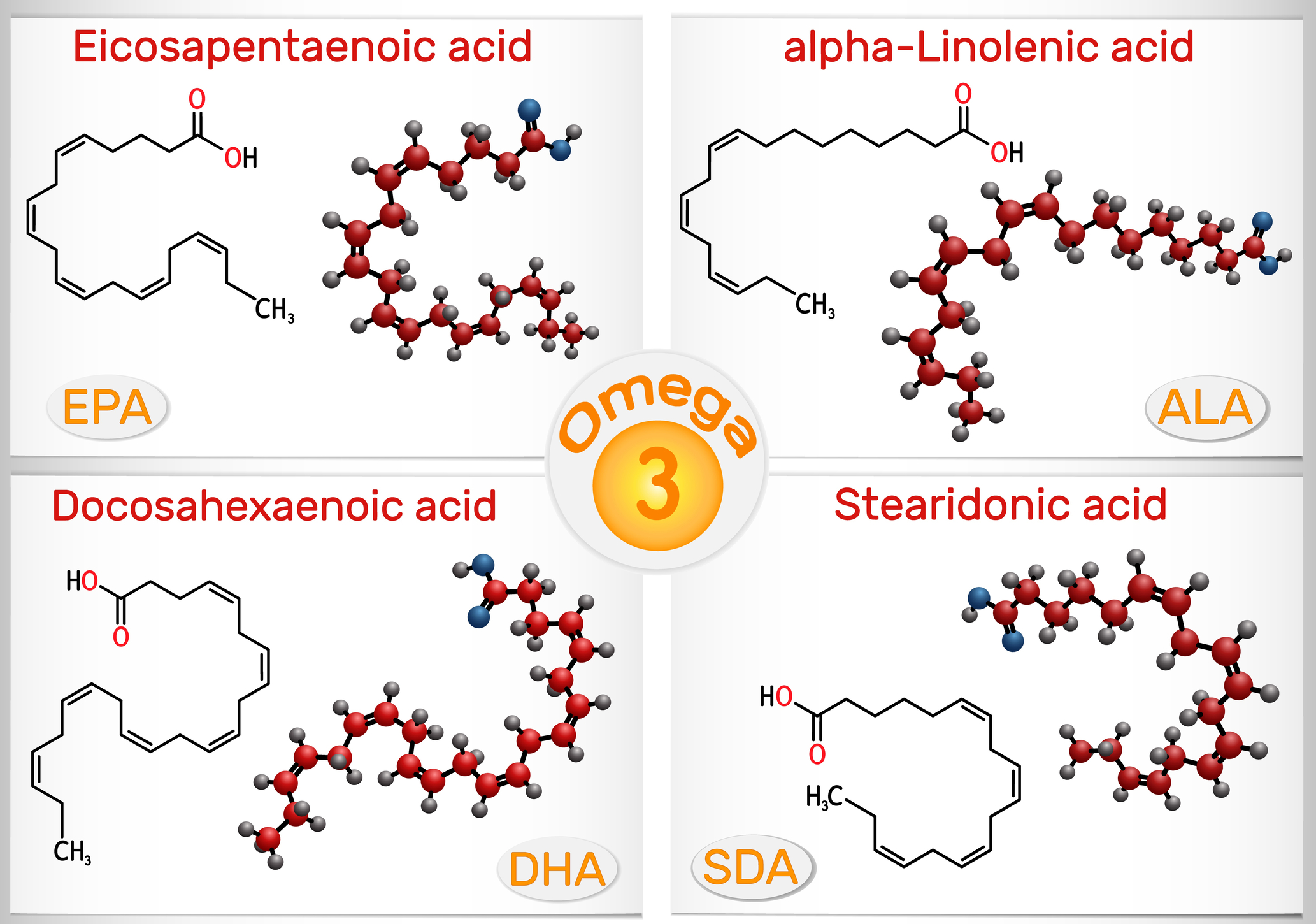
Omega-3 fatty acids are essential nutrients that help support overall health. They contribute to the normal functioning of the heart, brain, eyes, and many other systems throughout the body. When shopping for fish oil or omega-3 supplements, you will often see two names on the label: EPA (Eicosapentaenoic Acid) and DHA (Docosahexaenoic Acid).
Although both are omega-3 fatty acids and are commonly found together in fatty fish and fish oil supplements, they are not exactly the same. Each has a unique role in the body, and understanding the difference between EPA and DHA can help you make a more informed decision when choosing an omega-3 supplement.
What Is the Difference Between EPA and DHA?
EPA and DHA are both long-chain omega-3 fatty acids that are primarily found in marine sources such as oily fish, fish oil, krill oil, and algae-based supplements. While they often work together, each provides its own unique nutritional benefits.
What Is EPA?
EPA, or Eicosapentaenoic Acid, is an omega-3 fatty acid found mainly in cold-water fatty fish such as:
- Salmon
- Sardines
- Anchovies
- Herring
- Mackerel
EPA is widely recognised for supporting cardiovascular health and helping the body maintain its normal inflammatory response. It is commonly included in fish oil supplements because of its important role in supporting overall wellness.
Although EPA is present in smaller amounts in the brain than DHA, it still contributes to healthy brain function when consumed as part of a balanced omega-3 intake.
What Is DHA?
DHA, or Docosahexaenoic Acid, is another essential omega-3 fatty acid that plays a structural role throughout the body.
DHA is one of the primary building blocks of the brain and is also found in high concentrations within the retina of the eye. It supports normal cognitive function, healthy vision, and nervous system development throughout life.
During pregnancy and early childhood, DHA becomes especially important because it supports healthy brain and eye development in growing babies.
Do You Need Both?
Yes. EPA and DHA work together to provide comprehensive nutritional support.
While EPA is generally associated with supporting the body’s normal inflammatory response and cardiovascular wellness, DHA plays a major role in brain structure, eye health, and nervous system function.
For most people, obtaining both EPA and DHA through food or supplements provides a balanced approach to omega-3 nutrition.
Best Food Sources of EPA and DHA
The easiest way to obtain both EPA and DHA is by eating fatty fish regularly.
Excellent dietary sources include:
- Salmon
- Sardines
- Mackerel
- Herring
- Anchovies
- Trout
Many health organisations recommend eating at least two servings of fatty fish each week as part of a balanced diet.
For people who do not eat seafood regularly, fish oil supplements provide a convenient alternative.
Vegetarians and vegans may choose algae-based supplements, which naturally provide DHA and, in some products, EPA.
How to Choose the Right Omega-3 Supplement
Understanding the EPA and DHA content listed on the label helps you compare products more accurately.
Read the Supplement Facts
Many people focus only on the large number displayed on the front of the bottle. However, the most important information is the actual amount of EPA and DHA provided per serving.
For example, a softgel labelled 1,000 mg fish oil may contain much lower amounts of EPA and DHA combined.
Always compare products using the EPA and DHA values listed in the Supplement Facts panel.
Consider Your Diet
If you regularly eat fatty fish, your diet may already provide healthy amounts of EPA and DHA.
People who rarely consume seafood may benefit from supplements that provide consistent amounts of both fatty acids.
Choose High-Quality Products
Look for supplements that:
- Clearly list EPA and DHA amounts
- Undergo third-party quality testing
- Are tested for heavy metals and contaminants
- Come from reputable manufacturers
Choosing a quality supplement helps ensure purity, freshness, and accurate labelling.
Common Questions About EPA and DHA
Many people wonder whether one omega-3 fatty acid is better than the other.
Is EPA Better Than DHA?
Neither is universally better. EPA and DHA perform different but complementary functions throughout the body. Most healthcare professionals recommend obtaining both as part of a balanced omega-3 intake.
Can You Get EPA and DHA From Plants?
Most plant foods such as flaxseeds, chia seeds, walnuts, and hemp seeds provide ALA (Alpha-Linolenic Acid) rather than EPA and DHA.
Although the body can convert a small amount of ALA into EPA and DHA, the conversion is generally limited. Algae-based supplements provide a direct plant-based source of DHA and, in some cases, EPA.
Should You Include Omega-3 in Your Daily Routine?
Many people include omega-3-rich foods or supplements as part of their daily nutrition routine. The amount needed depends on individual dietary habits, health goals, and healthcare recommendations.
EPA and DHA are two of the most valuable nutrients found in omega-3 vitamin supplements. Both contribute to overall health in different ways. EPA supports cardiovascular wellness and the body’s normal inflammatory response, while DHA plays an important role in healthy brain function, vision, and nervous system development. Including foods or supplements that provide both EPA and DHA helps maintain a balanced omega-3 intake that supports long-term heart, brain, eye, and overall health.
Disclaimer: This article is intended for general informational and educational purposes only and should not be considered medical, nutritional, or professional healthcare advice. The information provided is based on current scientific knowledge but may not apply to every individual. EPA, DHA, and omega-3 supplements are not suitable for everyone, and individual requirements vary. Always consult a qualified healthcare professional before making changes to your diet or starting any dietary supplement, particularly if you are pregnant, breastfeeding, have an existing medical condition, or are taking prescription medications. Open MedScience accepts no liability for decisions made based on the information presented in this article.
home » blog » nutraceuticals »