
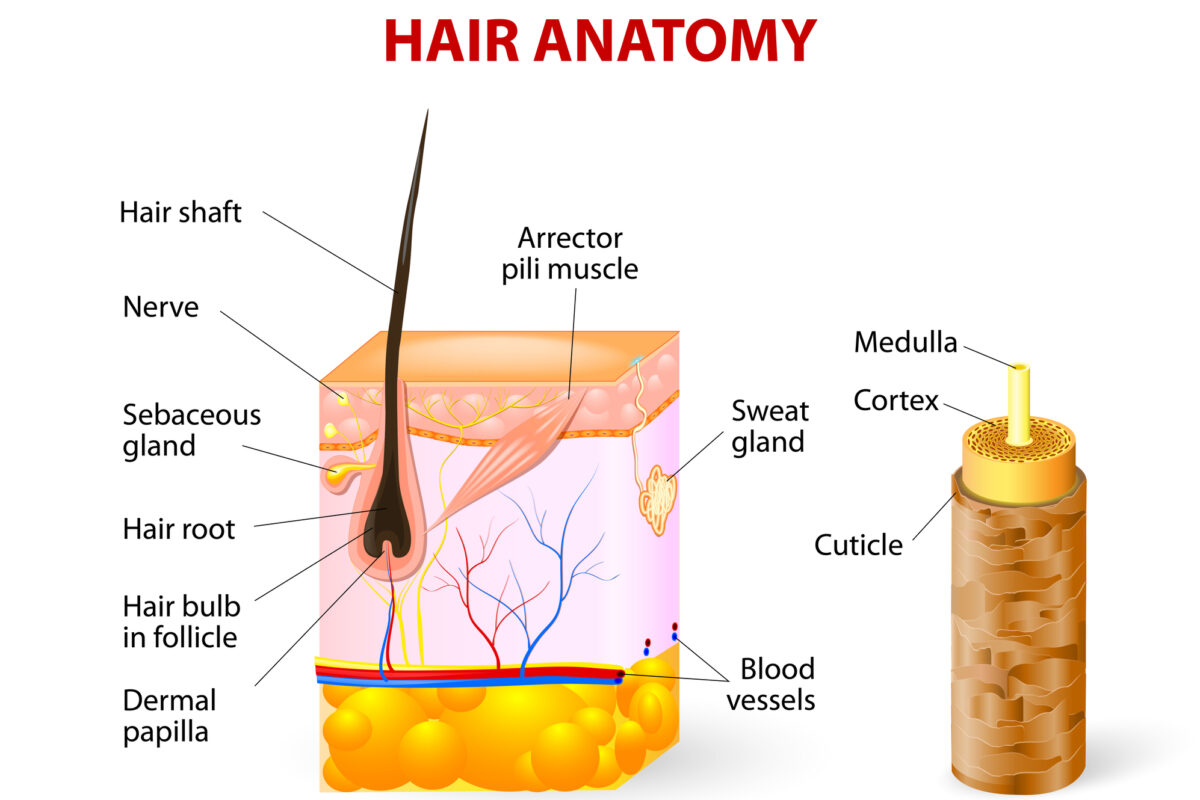
Many people assume that hair loss is caused solely by genetics. Although genetic factors can play a major role, daily nutrition may also influence hair growth, strand strength and normal follicle function. Poor or unbalanced nutrition can contribute to hair shedding, particularly when deficiencies in protein, iron, zinc or other nutrients are present.
Why Hair Follicles Are So Nutritionally Dependent
Hair is one of the fastest-growing tissues in the body. Each follicle goes through its own cycle of growth, rest, and shedding — and to keep that cycle running properly, it needs a steady supply of nutrients delivered through the bloodstream. The problem is that the body prioritizes vital organs first. When nutrition is poor or inconsistent, hair is one of the first things to get deprioritized. This is why crash diets, skipped meals, and low-protein eating often show up as hair thinning two to three months later — not immediately.
Protein: The Building Block That Most People Underestimate
Hair is made almost entirely of a protein called keratin. If your daily protein intake is insufficient, the body simply doesn’t have enough raw material to build new hair strands. This leads to thinner hair, slower growth, and increased shedding over time.
Most healthy adults require approximately 0.8 g of protein per kilogram of body weight each day, although individual requirements vary according to age, activity level and health status. Anyone concerned about inadequate protein intake or hair loss should seek advice from a healthcare professional or registered dietitian. Good sources include:
- Eggs (which also contain biotin and zinc)
- Lentils and legumes for plant-based options
- Paneer, yoghurt, and dairy
- Chicken, fish, and lean meats
Iron and Ferritin: The Hidden Connection
Iron deficiency is a recognised cause of diffuse hair shedding, particularly in women. Ferritin, which reflects the body’s stored iron, may be assessed alongside haemoglobin and other blood markers. In some cases, ferritin levels can be low even when haemoglobin remains within the normal range, potentially affecting normal hair follicle function.
If you’re noticing diffuse thinning—meaning hair loss spread across the scalp rather than in one area—it is worth discussing iron status with your healthcare professional. Good dietary sources of iron include lean red meat, beans, lentils, chickpeas, fortified breakfast cereals, pumpkin seeds and dark green leafy vegetables. Consuming vitamin C-rich foods alongside plant-based iron sources can improve iron absorption.
Zinc, Omega-3s, and the Hormonal Side of Hair Loss
Zinc supports tissue repair and keeps the oil glands around follicles working normally. A deficiency can disrupt the hair growth cycle and contribute to scalp issues that further weaken hair. Foods like pumpkin seeds, chickpeas, and nuts are good zinc sources that are easy to include in everyday meals.
Omega-3 fatty acids form part of a balanced diet, although evidence supporting omega-3 foods or supplements as a treatment for hair loss remains limited. There’s also growing interest in how diet interacts with DHT, the hormone most associated with pattern hair loss. Some foods have shown the ability to mildly influence DHT activity at the follicle level. If you’re exploring that angle, looking into dht blocker food choices can give you a clearer picture of what’s worth including in your diet.
Consistency Matters More Than Superfoods
There is a tendency to chase miracle ingredients, such as biotin supplements, exotic oils and special powders. However, research generally supports a more consistent approach based on a balanced diet over time. Hair grows slowly, at approximately half an inch (1.25 cm) per month, and hair follicles respond to long-term nutritional patterns rather than individual meals.
Final Thoughts
Improving your hair through nutrition isn’t complicated, but it does require some honesty about your current habits. Are you eating enough protein? Is your iron checked regularly? Are you getting any healthy fats? These aren’t dramatic changes — they’re small, consistent shifts that add up over months. Hair reflects what’s happening inside the body, and when the inside is well-nourished, it usually shows.
Disclaimer: This article is provided for general educational and informational purposes only and should not be considered medical, nutritional or dietary advice. The information presented is not intended to diagnose, treat, cure or prevent any medical condition, including hair loss. Hair thinning and shedding can have many underlying causes, such as genetic factors, hormonal changes, medical conditions, medications and nutritional deficiencies. If you are experiencing persistent or unexplained hair loss, seek advice from a qualified healthcare professional, GP or registered dietitian for an appropriate assessment. Any references to foods, nutrients or dietary patterns are based on current evidence but should not replace personalised medical or nutritional guidance. Open MedScience does not endorse or guarantee the effectiveness of any specific product, supplement, dietary approach or external resource mentioned within this article.
home » blog » health and wellbeing »