
Vascular medicine has experienced remarkable progress over the past few decades, particularly in the treatment of varicose veins. Once viewed primarily as a cosmetic concern, varicose veins are now widely recognised as a medical condition that can affect circulation, comfort, and long-term vascular health. With the help of modern research, advanced imaging technologies, and minimally invasive treatment methods, physicians are now able to diagnose and treat venous disorders more effectively than ever before.
These scientific developments have reshaped how patients and healthcare providers approach vein health. Traditional surgical procedures have gradually been replaced with innovative techniques that focus on precision, safety, and faster recovery times. Today’s treatments are not only more effective but also significantly less disruptive to patients’ daily lives.
Understanding the role that modern science plays in transforming varicose vein treatment offers valuable insight into how vascular medicine continues to evolve and improve patient outcomes.
Understanding Varicose Veins and Venous Disease
Varicose veins occur when the valves within the veins become weakened or damaged. Under normal circumstances, these valves function as small gates that ensure blood flows in one direction, returning from the legs back to the heart. When these valves fail to close properly, blood can flow backwards and accumulate within the veins.
This pooling of blood increases pressure within the vessel walls, causing veins to enlarge and twist beneath the skin. The result is the visible, bulging veins commonly associated with varicose veins. Although they often appear in the legs, varicose veins can develop anywhere that venous pressure increases.
In addition to their visible appearance, varicose veins may cause symptoms such as leg heaviness, aching, swelling, itching, and fatigue. In more advanced cases, chronic venous insufficiency may develop, leading to skin discolouration or even venous ulcers.
Modern vascular medicine aims to treat not only the visible veins but also the underlying circulatory dysfunction responsible for these symptoms.
The Shift from Traditional Surgery to Minimally Invasive Care
For many years, surgical vein stripping was the standard treatment for severe varicose veins. This procedure involved removing the affected vein through small incisions along the leg. While effective, it required general anaesthesia, significant recovery time, and sometimes led to post-surgical discomfort.
Advances in vascular science have transformed this approach. Researchers discovered that damaged veins do not necessarily need to be removed from the body to restore proper circulation. Instead, they can be closed or sealed, allowing blood to reroute naturally through healthier veins.
This discovery led to the development of minimally invasive treatments that focus on closing malfunctioning veins with precision rather than surgically removing them. These procedures have become the new standard of care in modern vascular medicine.
Breakthroughs in Diagnostic Imaging
Accurate diagnosis plays a crucial role in the successful treatment of venous disease. One of the most important scientific advancements in vascular medicine has been the development of high-resolution ultrasound imaging.
Duplex ultrasound allows physicians to observe blood flow within the veins in real time. This imaging technique helps identify the exact location of valve dysfunction and measure how blood moves through the venous system. By mapping the affected veins with precision, doctors can design targeted treatment plans tailored to each patient’s unique anatomy.
Improved imaging technology has also made it possible to detect venous disease in its earlier stages, allowing treatment to begin before symptoms become more severe.
Endovenous Laser Therapy and Radiofrequency Ablation
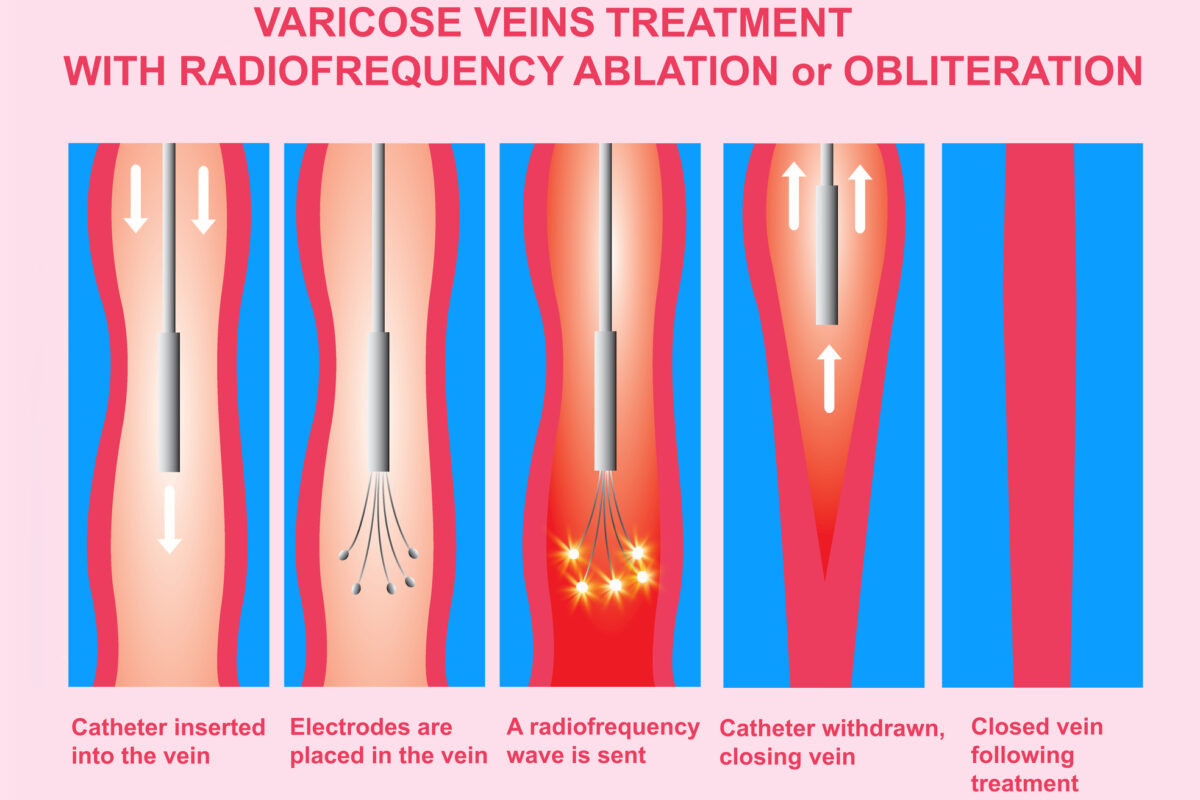
Among the most significant advancements in varicose vein treatment are procedures such as endovenous laser therapy and radiofrequency ablation. These techniques rely on thermal energy to close malfunctioning veins without the need for traditional surgery.
During the procedure, a thin catheter is inserted into the affected vein using ultrasound guidance. Once in position, controlled heat is delivered through the catheter, causing the vein walls to collapse and seal shut. Over time, the body naturally absorbs the treated vein while redirecting blood flow through healthier vessels.
These procedures are typically performed under local anaesthesia and require minimal downtime. Most patients are able to resume normal activities within a short period, making these treatments far more convenient than older surgical approaches.
Advances in Sclerotherapy Techniques
Another area where modern science has significantly improved varicose vein treatment is sclerotherapy. This technique involves injecting a specialised solution into the affected vein, causing it to collapse and gradually fade from view.
Recent innovations in foam-based sclerosants have enhanced the effectiveness of this treatment. Foam sclerotherapy allows the solution to remain in contact with the vein walls longer, increasing the likelihood of successful closure.
Ultrasound-guided sclerotherapy has also expanded the range of veins that can be treated using this method. By combining imaging technology with improved chemical formulations, physicians can treat deeper veins with greater precision.
The Role of Biomedical Engineering in Vein Care
Biomedical engineering has played a major role in advancing vascular medicine. New catheter systems, specialised fibres, and improved delivery devices have made modern treatments more precise and efficient.
These technologies allow physicians to navigate the venous system with greater accuracy while minimising trauma to surrounding tissues. As a result, patients experience less discomfort and quicker recovery following treatment.
Engineering innovations have also improved the safety profile of vein procedures, making them accessible to a wider range of patients.
Data-Driven Medicine and Personalised Treatment
Modern healthcare increasingly relies on data and analytics to guide clinical decisions. In vascular medicine, data from imaging studies, patient histories, and treatment outcomes help physicians develop more personalised care strategies.
Artificial intelligence and machine learning technologies are beginning to assist in analysing vascular imaging data. These tools can help identify patterns that may predict disease progression or determine which treatment methods are most effective for specific patients.
Personalised medicine allows doctors to tailor treatments according to each individual’s anatomy, symptoms, and risk factors, improving overall success rates.
Preventive Approaches in Modern Vein Care
While advances in treatment are important, modern vascular medicine also emphasises prevention. Lifestyle factors such as prolonged sitting, limited physical activity, and obesity can contribute to venous disease.
Encouraging regular movement, maintaining a healthy weight, and supporting circulation through exercise can help reduce the risk of developing varicose veins. Increased public awareness about vein health has encouraged many individuals to seek evaluation earlier in the disease process.
Preventive strategies not only improve patient outcomes but also reduce the long-term burden on healthcare systems.
Access to Specialised Vein Care
As vascular medicine continues to advance, specialised clinics have emerged to provide focused care for patients with venous conditions. These centres combine advanced diagnostic technology with modern treatment methods to deliver comprehensive vein care.
Patients seeking expert evaluation may benefit from consulting a Vein Specialist in Thornton, where specialised providers use modern medical techniques to diagnose and treat varicose veins effectively. Clinics associated with Denver Vein Specialists often integrate the latest research findings and technologies into their treatment protocols.
Access to specialised care ensures that patients receive accurate diagnoses and benefit from the most advanced treatment options available.
The Future of Varicose Vein Treatment
The future of vascular medicine promises even more exciting developments. Researchers are exploring new materials and technologies that may further improve treatment outcomes for venous disease.
Biological adhesives, for example, are being studied as alternatives to thermal procedures. These medical adhesives can seal veins quickly without the need for heat, potentially reducing discomfort even further.
Wearable health technologies may also play a role in monitoring circulation and identifying early signs of venous disease. Combined with advances in imaging and data analysis, these tools could help physicians detect and treat vein conditions before symptoms become severe.
Continued collaboration between scientists, engineers, and clinicians will likely drive the next generation of innovations in vascular medicine.
Conclusion
Modern science has fundamentally transformed the way varicose veins are diagnosed and treated. Through advancements in imaging technology, minimally invasive procedures, and biomedical engineering, vascular medicine has evolved into a highly specialised field focused on patient-centred care.
Today’s treatments are safer, more precise, and far less disruptive than traditional surgical approaches. Patients can often receive effective care with minimal downtime and improved long-term results.
As research continues to expand our understanding of vascular health, the future of varicose vein treatment will likely bring even more innovative solutions. These advances demonstrate how scientific progress can translate directly into better healthcare experiences and improved quality of life for patients worldwide.
Disclaimer
The information presented in this article is intended for general educational and informational purposes only and does not constitute medical advice, diagnosis, or treatment. While every effort has been made to ensure the accuracy and relevance of the content at the time of publication, medical knowledge and clinical practices may evolve over time.
Readers should not rely on this material as a substitute for professional medical guidance. If you have concerns about varicose veins or any other vascular condition, you should seek advice from a qualified healthcare professional or specialist who can provide personalised assessment and treatment recommendations.
Open MedScience does not endorse or guarantee the effectiveness of any specific treatments, procedures, clinics, or healthcare providers mentioned in this article. Any references to external services or providers are included for informational purposes only.
Always consult a licensed medical professional before making decisions regarding your health or undergoing any medical treatment.
home » blog » human anatomy »