
Introduction
Liquified hydrogen bromide is an important industrial chemical widely used in high-value manufacturing sectors where strong reactivity, controlled synthesis, and precision chemistry are required. In its normal state, hydrogen bromide is a colourless gas, but when converted into a liquified form under pressure, liquified hydrogen bromide becomes significantly easier to store, transport, and use in controlled industrial environments.
Because of its highly reactive nature, liquified hydrogen bromide plays a crucial role in chemical synthesis, pharmaceutical manufacturing, and specialty chemical production. While it is not directly used in medical imaging procedures, it is indirectly relevant to the broader chemical and pharmaceutical supply chains that support diagnostic science and advanced healthcare technologies.
Physical and Chemical Properties
Liquified hydrogen bromide is a highly corrosive and reactive compound. When it comes into contact with moisture, it rapidly forms hydrobromic acid, which is a strong acid capable of reacting aggressively with metals, organic materials, and biological tissues.
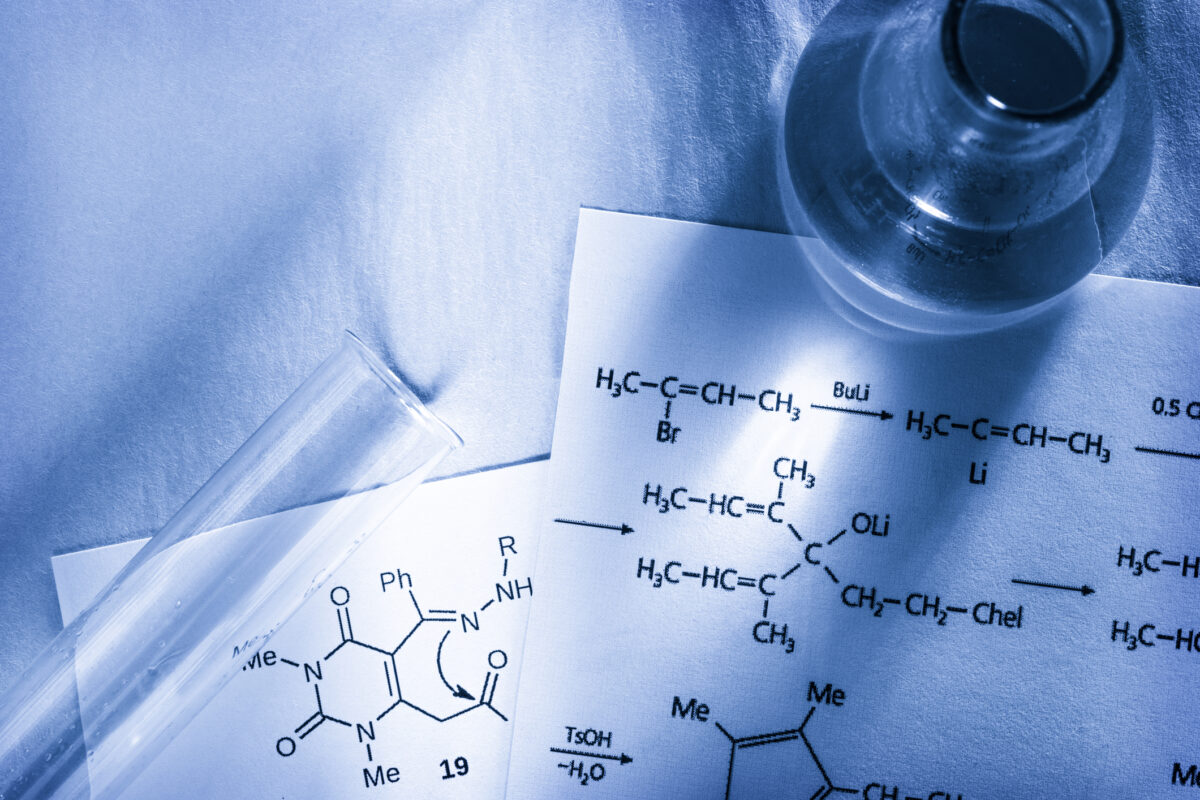
This strong reactivity is why it is widely used in industrial synthesis, especially in bromination reactions, where bromine atoms are introduced into organic molecules. However, the same property also makes it extremely hazardous if not handled correctly.
In its liquified form, hydrogen bromide is stored under pressurised and temperature-controlled conditions. Industrial containment systems are designed using corrosion-resistant materials such as specialised alloys, fluoropolymers, or lined steel systems. Even minor exposure to water or incompatible materials can lead to rapid equipment degradation or hazardous reactions, making strict environmental control essential.
Industrial Applications
Liquified hydrogen bromide is used across multiple industrial sectors due to its strong acidity and predictable chemical behaviour:
1. Chemical Manufacturing
It is commonly used as a reagent in bromination and catalytic processes. These reactions are essential in producing intermediates used in plastics, dyes, and industrial solvents.
2. Pharmaceutical Industry
In pharmaceutical manufacturing, liquified hydrogen bromide contributes to the synthesis of active pharmaceutical ingredients (APIs) and chemical intermediates. Many complex drug molecules require brominated precursors at some stage of production.
3. Agrochemical Production
It is also used in the development of pesticides and herbicide compounds, where bromine-based chemistry improves biological activity or stability.
4. Specialty Chemicals
The compound is used in flame retardants, performance polymers, and advanced materials that require tightly controlled chemical modification.
5. Metal Processing
In certain industrial refining and surface treatment processes, it helps in controlled etching and purification of metals.
These applications highlight its importance in industries that depend on high-purity chemical reactions and precision-controlled synthesis pathways.
Relevance to Pharmaceutical Manufacturing and Healthcare Systems
Although liquified hydrogen bromide is not directly used in hospitals or clinical settings, its importance becomes clearer when viewed within pharmaceutical manufacturing ecosystems.
Modern drug production relies on multi-step synthesis pathways, in which intermediate chemicals are produced using highly reactive reagents. Hydrogen bromide chemistry is often involved in the formation of these intermediates.
This is important for healthcare because:
- Pharmaceutical APIs must meet strict purity standards
- Small chemical variations can affect drug safety and effectiveness
- Industrial reagents influence final product consistency
Therefore, liquified hydrogen bromide contributes indirectly to the global healthcare supply chain by supporting the chemical processes behind medicine production.
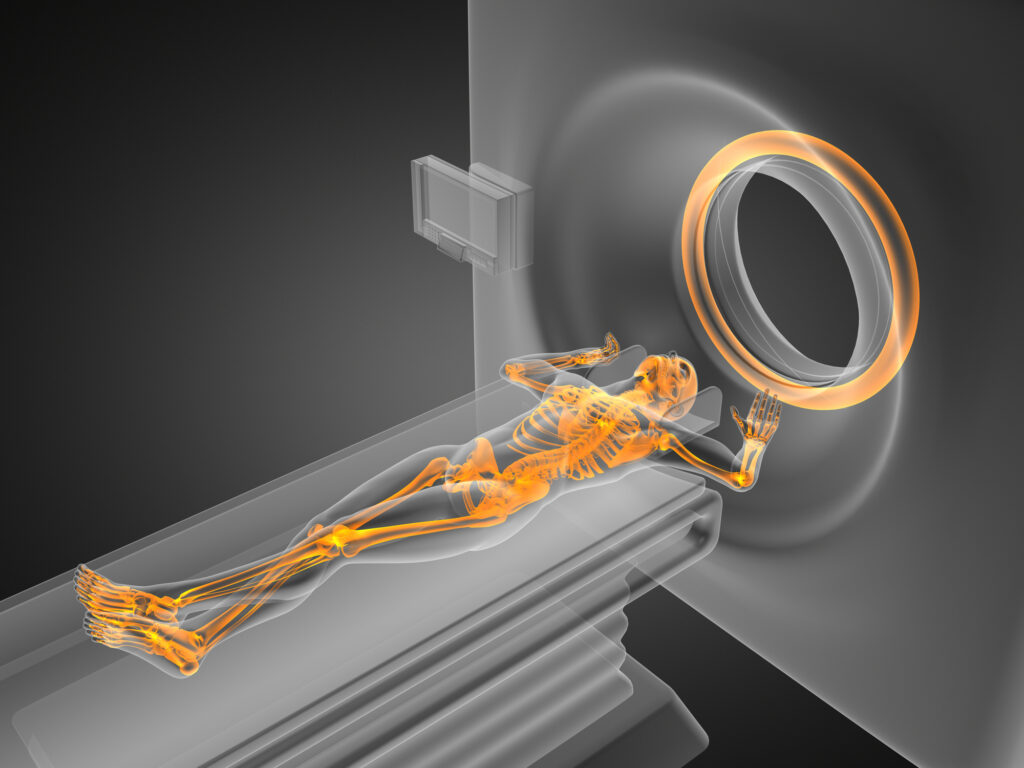
Relevance to Medical Imaging and Diagnostic Science
Medical imaging technologies such as:
- Computed Tomography (CT)
- Magnetic Resonance Imaging (MRI)
- Positron Emission Tomography (PET)
- Single Photon Emission Computed Tomography (SPECT)
depend on highly advanced chemical and pharmaceutical systems.
While liquified hydrogen bromide is not itself an imaging agent or contrast medium, it has indirect relevance through its role in upstream chemical manufacturing.
1. Imaging Drug Development Supply Chains
Radiopharmaceuticals and imaging tracers require extremely precise chemical synthesis. Brominated intermediates and halogen-based chemistry are often used in research pathways for developing imaging-related compounds.
2. Contrast Media Research
Some diagnostic agents rely on halogenated organic compounds for improved imaging clarity. Industrial bromination chemistry can contribute to the early-stage development of such molecules.
3. Materials Used in Imaging Equipment
Medical imaging devices depend on high-performance polymers, coatings, and electronic materials. Specialty chemical processes involving reactive gases like hydrogen bromide may support the synthesis of these materials.
4. Quality Control in Imaging Pharmaceuticals
The production of imaging tracers requires pharmaceutical-grade purity. Chemicals such as liquefied hydrogen bromide are used under controlled conditions in synthesis environments that must follow Good Manufacturing Practices (GMP).
Thus, even though there is no direct clinical use, liquified hydrogen bromide is part of the broader chemical infrastructure that supports medical imaging innovation.
Safety and Handling Considerations
liquified Hydrogen Bromide is classified as a highly hazardous chemical. Exposure can cause severe burns, respiratory damage, and eye injury. In vapour form, it is extremely irritating and toxic.
Industrial safety systems are therefore critical and typically include:
- Fully sealed and pressurised storage systems
- Corrosion-resistant pipelines and valves
- Automated chemical transfer and dosing systems
- Continuous gas leak detection systems
- Emergency ventilation and neutralisation units
- Personal protective equipment (PPE) such as acid-resistant gloves, respirators, and protective suits
Training and strict operational protocols are essential in all facilities handling this chemical. In pharmaceutical environments, safety is directly linked to regulatory compliance and product quality assurance.
Importance in Modern Industrial Chemistry
The significance of liquified hydrogen bromide lies in its ability to enable efficient and controlled chemical transformations. Its strong reactivity allows chemists to build complex molecules that would otherwise be difficult to synthesise.
In modern industrial chemistry, it contributes to:
- Higher reaction efficiency
- Improved yield in synthesis processes
- Development of advanced chemical materials
- Scalable production of pharmaceutical intermediates
Despite its hazards, it remains a valuable reagent when handled under strict industrial controls.
Conclusion
In summary, liquified hydrogen bromide is a powerful and highly reactive industrial chemical with wide applications in chemical synthesis, pharmaceutical manufacturing, agrochemical production, and specialty materials.
Although it is not directly used in medical imaging procedures, it plays an important indirect role by supporting the chemical and pharmaceutical supply chains that contribute to diagnostic science and advanced healthcare technologies.
Due to its corrosive and hazardous nature, it requires strict containment, engineered safety systems, and highly trained personnel for handling. Its importance in industrial chemistry remains significant, especially in sectors where precision, purity, and controlled reactivity are essential.
Suggested Reading
- Greenwood, N. N., & Earnshaw, A. (2012). Chemistry of the Elements. Elsevier.
- Housecroft, C. E., & Sharpe, A. G. (2018). Inorganic Chemistry. Pearson Education.
- Vogel, A. I. (2000). Vogel’s Textbook of Practical Organic Chemistry. Prentice Hall.
- IUPAC (International Union of Pure and Applied Chemistry). Compendium of Chemical Terminology (Gold Book).
- FDA Guidance for Industry: Current Good Manufacturing Practice in Manufacturing, Processing, Packing, or Holding of Drugs.
- European Medicines Agency (EMA): Guidelines on Active Substance Manufacturing and Control.
Disclaimer: This article is for general information only and does not constitute chemical handling, safety, medical, regulatory, or professional advice. Liquefied hydrogen bromide is a hazardous industrial substance that must only be handled by trained personnel in properly controlled environments and in line with applicable regulations and safety guidance. Its mention in relation to pharmaceutical manufacturing or medical imaging supply chains does not indicate direct clinical use or endorsement by Open MedScience.