
Transforming Medical Diagnostics: The Emergence and Impact of Ultrafast Doppler Imaging
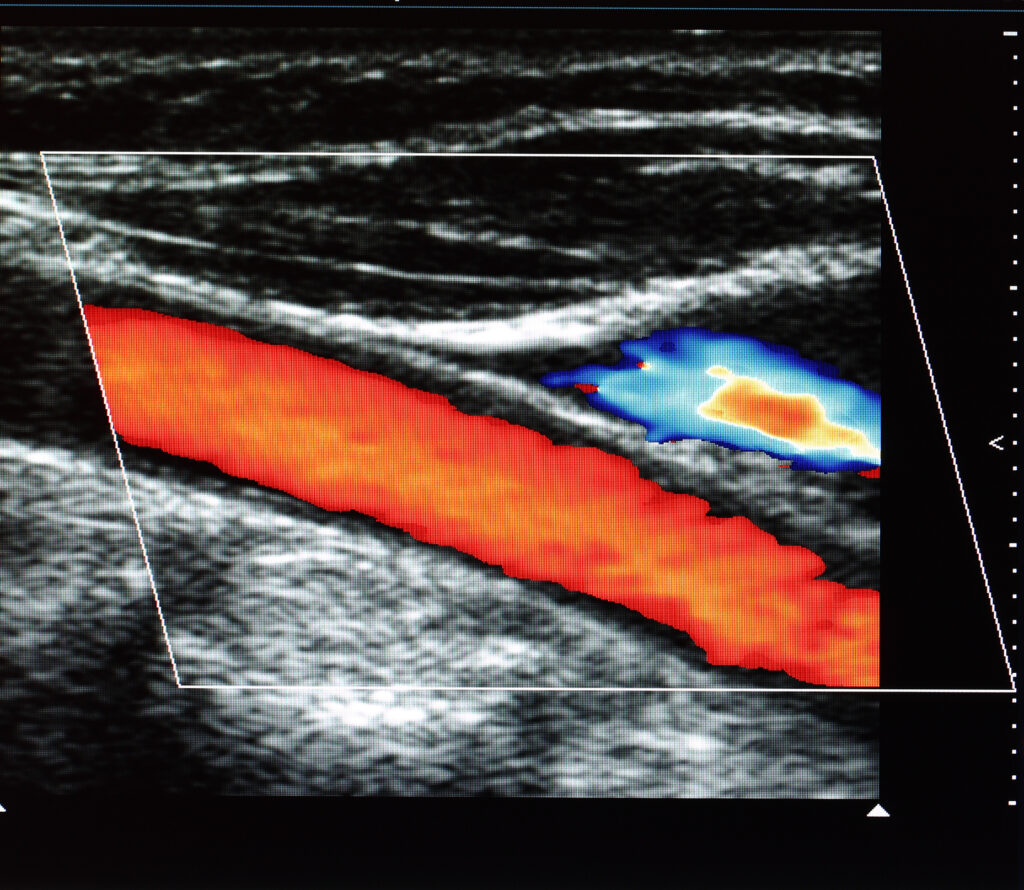
Ultrafast Doppler imaging offers unprecedented real-time insights into blood flow for improved diagnostic accuracy in medicine.
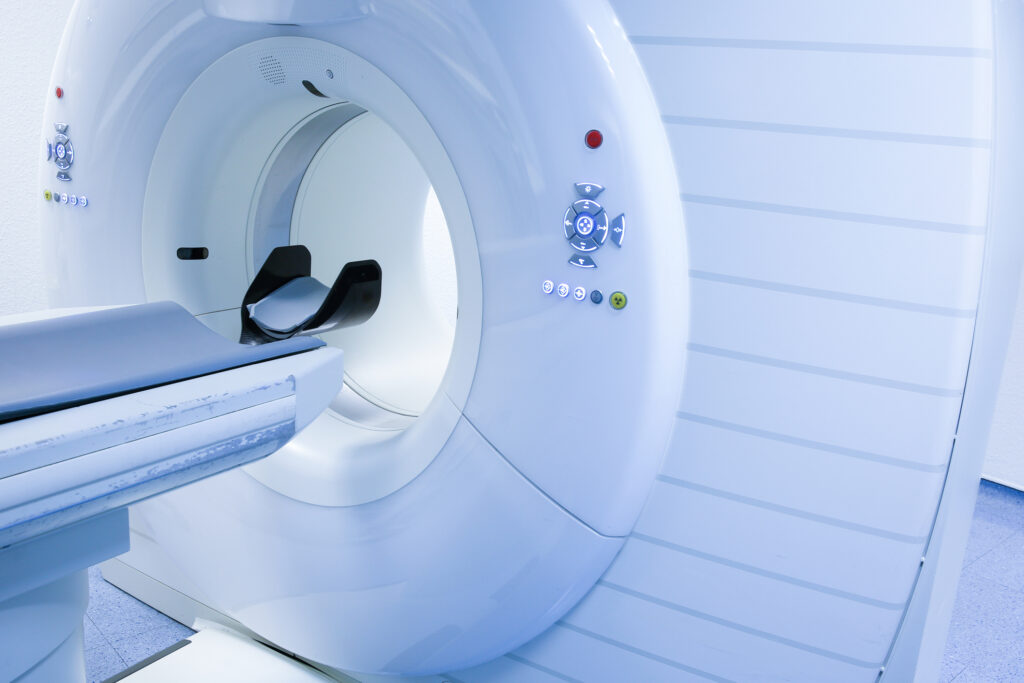
Medical technologies encompass a broad spectrum of tools, systems and techniques that support the diagnosis, treatment and prevention of disease. Advances in medical imaging, including X-ray, CT and MRI, have transformed early detection and clinical decision-making by enabling detailed visualisation of internal structures. Telemedicine platforms extend care beyond hospital settings, improving access for patients in remote or underserved regions. Therapeutic devices such as pacemakers, artificial joints, insulin pumps and glucose monitors enhance quality of life and long-term disease management. In surgery, minimally invasive techniques and robotic assistance improve precision while reducing recovery time. Although these innovations strengthen healthcare delivery, challenges remain regarding cost, equitable access, appropriate use, and long-term sustainability across diverse health systems.
Ultrafast Doppler imaging offers unprecedented real-time insights into blood flow for improved diagnostic accuracy in medicine.
Superb Microvascular Imaging transforms diagnostics, revealing minute vessels with clarity, sans contrast agents, enhancing patient care.
Magnetomotive Ultrasound combines magnetic nanoparticles with ultrasound imaging for enhanced disease diagnosis and targeted therapeutic interventions. Image for illustration only. People depicted are models.
Virtual non-contrast imaging revolutionises diagnostics, offering safe, efficient insights without contrast agent risks.
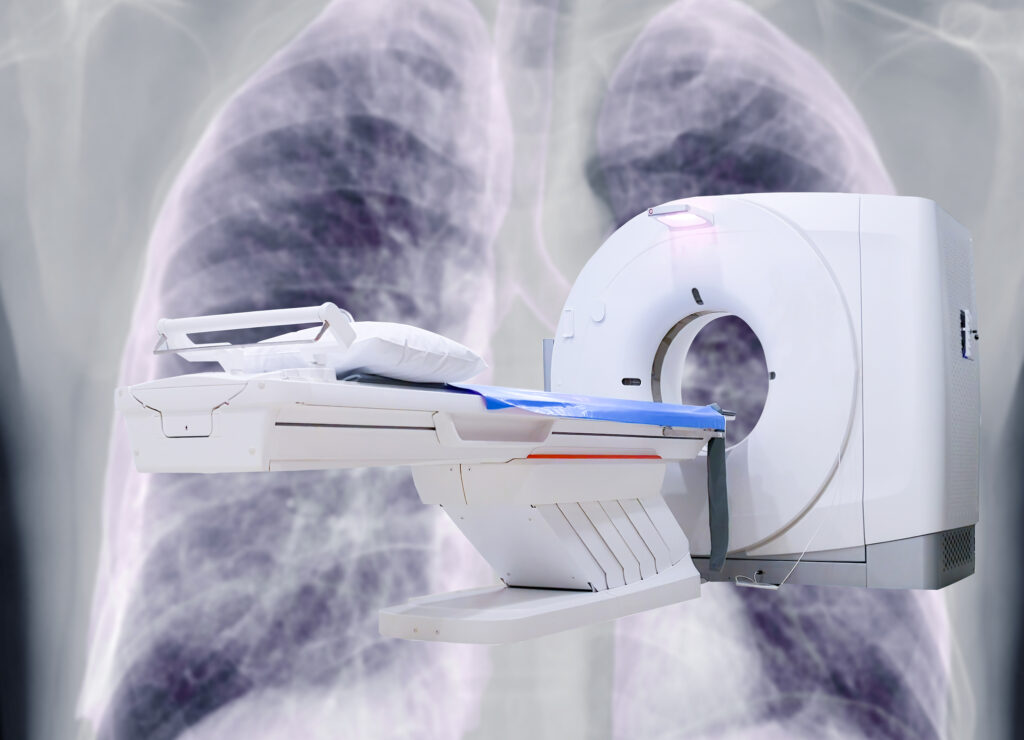
Photon Counting Computed Tomography enhances image quality, tissue differentiation, radiation reduction, and material decomposition via precise photon detection.
Medical imaging advancements, aided by deep learning reconstruction, enhance diagnosis accuracy and efficiency, overcoming traditional limitations.
Dark Field Computed Tomography enhances medical imaging by utilising X-ray scattering for improved contrast and resolution in soft tissues.
X-ray phase-contrast imaging offers enhanced soft tissue visualisation, improved contrast, and resolution over conventional X-ray techniques.
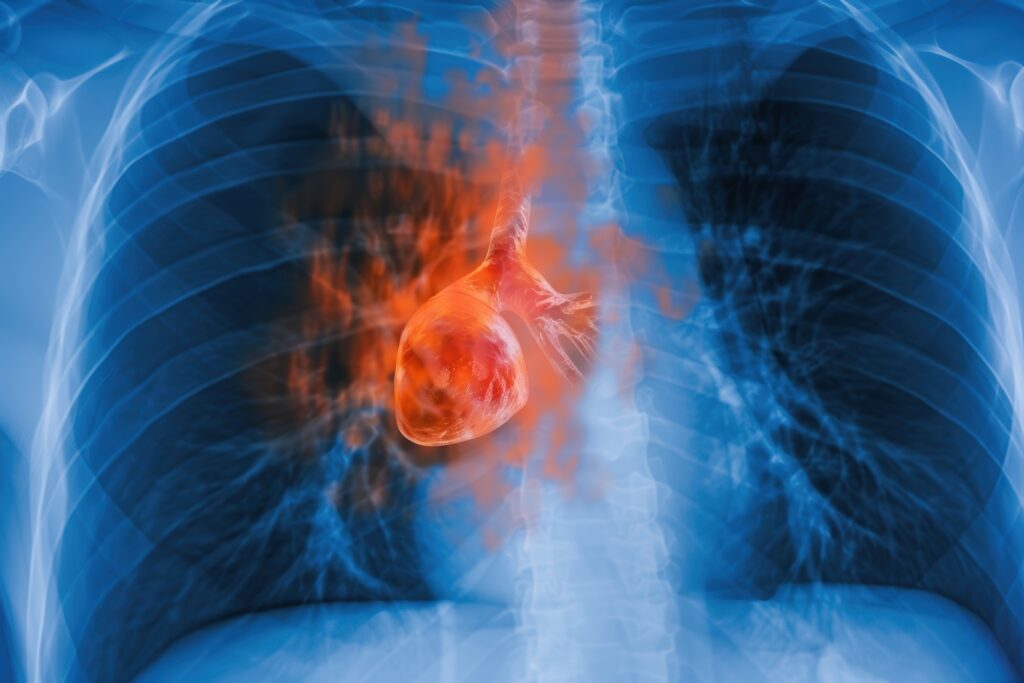
Dark-field radiography excels in early-stage lung disease detection, breast cancer diagnosis, microfracture visualisation, and soft tissue imaging. Image for illustration only. People depicted are models.