MRI Ensemble Model Rivals PET for Detecting Carotid Plaque Inflammation Without Radiation
Understand the role of MRI carotid inflammation as a PET-equivalent method for detecting plaque inflammation in strokes.
Briefings delivers concise, high-quality updates on significant developments across diagnostic imaging, radiopharmaceuticals, artificial intelligence, and associated clinical innovations. Designed for healthcare professionals, researchers, and policy leaders, this section provides focused analysis in a streamlined format, enabling readers to stay informed without navigating lengthy full-text publications.
Each briefing distils key findings from peer-reviewed studies, clinical trials, real-world implementation data, regulatory announcements, or major conference presentations. The emphasis is placed on the essential evidence: what was studied, what was discovered, and why it matters. By concentrating on core results and their clinical or scientific implications, Briefings ensures clarity while maintaining scientific rigour.
The scope reflects the breadth of contemporary medical imaging practice and research. Topics include emerging imaging biomarkers, novel radiotracers, advances in photon-counting and hybrid imaging technologies, AI-driven diagnostic tools, and radiomic modelling approaches. Clinical applications span cardiovascular imaging, oncology, neurology, mental health assessment, paediatrics, and interventional planning. Updates may also address healthcare system implementation, efficiency outcomes, health equity considerations, and regulatory shifts influencing practice.
Briefings are written in a clear, direct style that prioritises relevance and context. Where appropriate, commentary highlights methodological strengths, limitations, and translational potential. This framing supports readers in interpreting whether findings represent incremental refinement or practice-changing evidence. The goal is not only to report developments, but to situate them within the evolving landscape of imaging science and clinical decision-making.
The format is intentionally concise. Each entry provides a structured summary that captures the study rationale, design, principal outcomes, and potential implications. Links to original publications or source materials are included for readers who wish to examine the data in greater depth. By balancing brevity with accuracy, Briefings supports efficient knowledge acquisition while preserving academic integrity.
This section serves radiologists, nuclear medicine specialists, medical physicists, imaging scientists, AI developers, cardiologists, oncologists, healthcare administrators, and policymakers. It is equally valuable to academics tracking research trends and clinicians seeking evidence that may inform patient management.
Briefings bridges the gap between traditional long-form articles and the demand for rapid, actionable information. It reflects a commitment to delivering timely, reliable, and expertly curated updates that support informed decision-making across the medical imaging community. In a field characterised by accelerating technological progress and expanding data complexity, Briefings provides a trusted source of focused insight where precision, clarity, and context matter most.
home »
Understand the role of MRI carotid inflammation as a PET-equivalent method for detecting plaque inflammation in strokes.
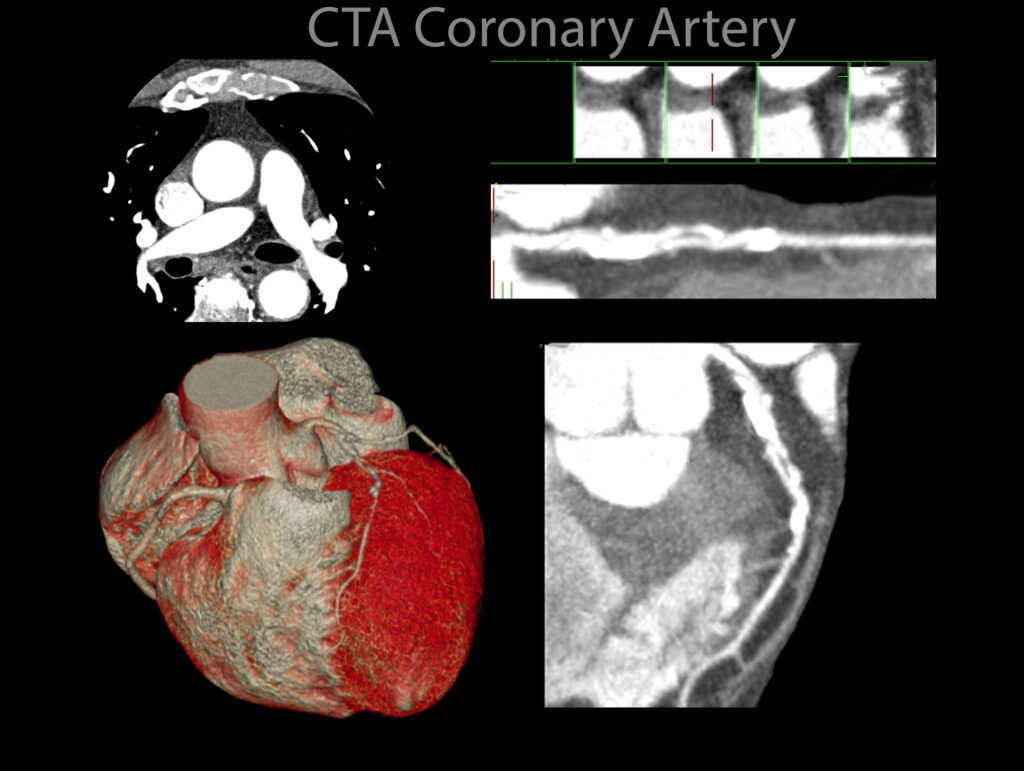
Understand how AI-derived FFR-CT in the NHS is transforming the diagnosis of coronary artery disease and improving health equity.
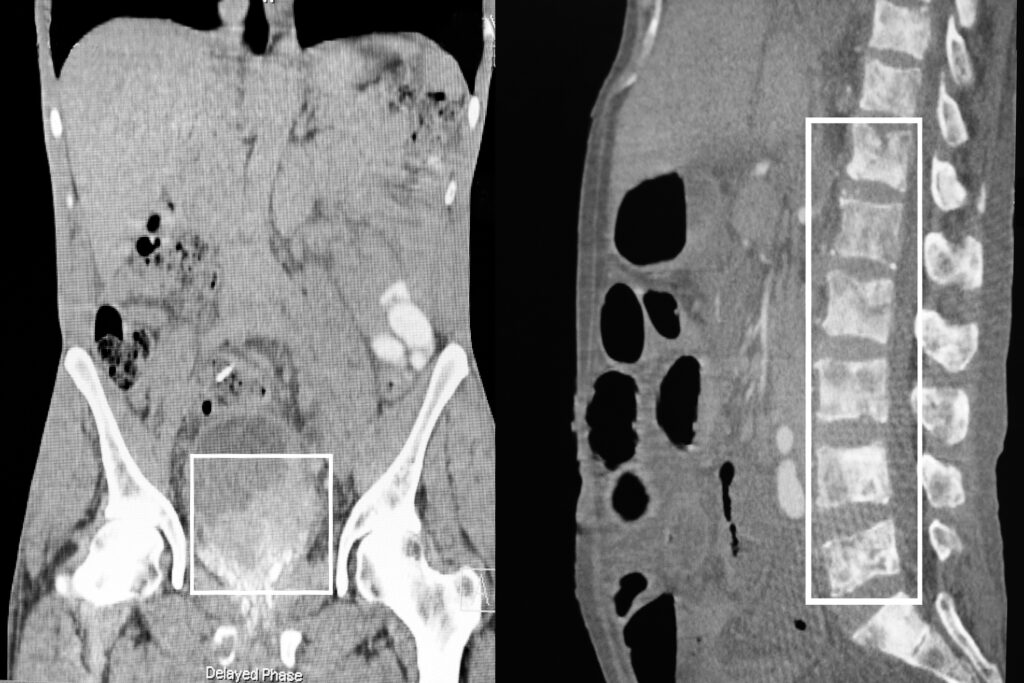
Explore the FLEX-MRT trial for FLEX-MRT prostate cancer, evaluating a flexible dosing schedule for improved survival outcomes.

FLEX-MRT: Individualised Lu-177 PSMA-617 Scheduling for Advanced Prostate Cancer Read Article »
Learn how LLM depression screening offers an innovative approach to PHQ-8 assessments using large language models and interviews.
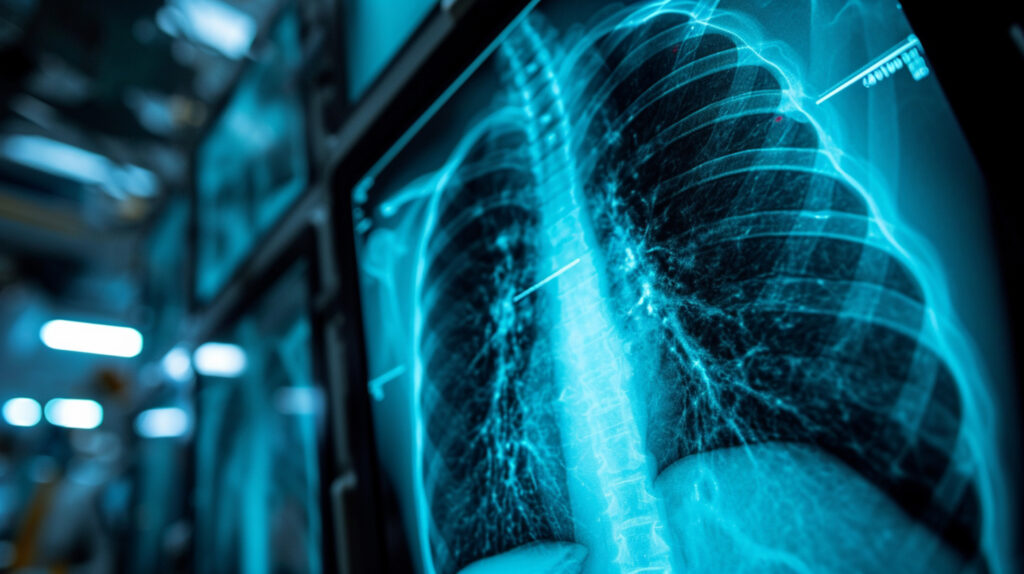
AI-Powered Language Models Show Promise for Text-Based Depression Screening Read Article »
Explore the potential of paediatric age estimation through deep learning and chest X-rays for accurate age assessment.
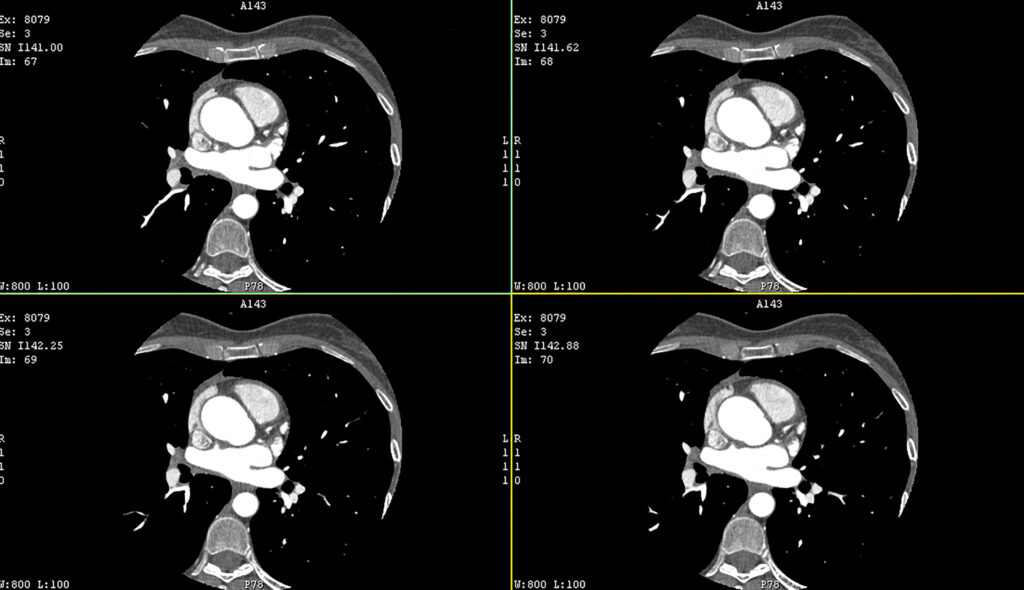
Deep learning predicts paediatric age from chest X-rays Read Article »
Learn how Myocardial Mapping with late enhancement photon-counting detector CT can enhance cardiac imaging and diagnosis.

Late Enhancement Photon-Counting CT for Myocardial Mapping Read Article »
Understand the importance of standardisation in radiomics and artificial intelligence for effective oncologic imaging.
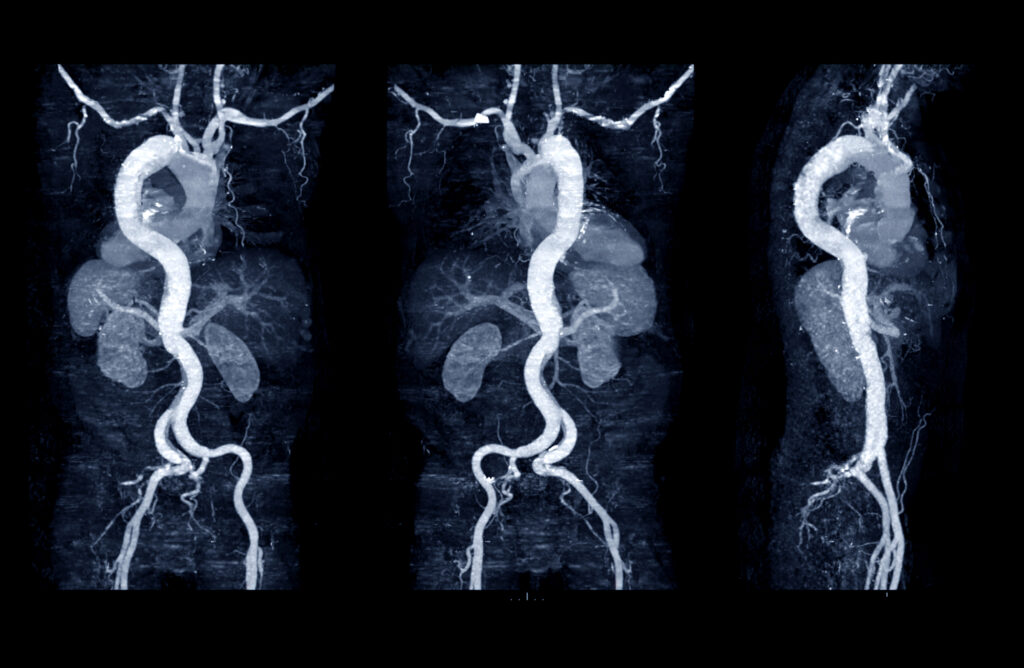
Radiomics and AI in Oncology: Progress Towards Clinical Integration Read Article »
Discover the significance of the Aneurysm Progression Marker in predicting AAA growth with non-invasive perivascular fat density measurements.
Perivascular Fat Density on CTA Linked to Abdominal Aortic Aneurysm Progression Read Article »